

The blog explains about Best Roofing Materials for Rochester, NY Weather Conditions. A building’s roof is more than just a finishing architectural detail to a Rochester, NY homeowner. The main protection for your house is from one of the most unpredictable and harsh climates in the Northeast. Located right on the south shore of Lake Ontario, Rochester has a true four-season climate, heavily modified by the lake-effect weather machine.
Your roof will experience extreme winters with an average of 90-100 inches of snowfall per year and extreme heat waves in the summer, with humidity and thunderstorms that are often violent during the spring. An incorrect roofing material selection can result in catastrophic structural failure, early roof degradation, skyrocketing energy costs, and pricey ice dam issues.
When selecting the right roofing materials in Rochester, NY, it is essential to consider durability, thermal resistance, weight restrictions, and aesthetics. From the absolute best roofing shingles Rochester homeowners should consider to ensure that they are well protected, comfortable, and at peace, this guide breaks it down.
The Rochester Climate Challenge: What Your Roof Faces
It is important to be familiar with the particular environmental stresses a roof is subject to in the Flower City before looking at specific materials. There are three big threats to a roofing system in the region:
Rochester Climate Stressors
Lake-Effect Snow & Ice
On the roof, the highest load and ice-damming risk
Freeze-Thaw Thermal Cycles
When a brittle material is subject to rapid expansion & contraction, it is split.
Summer Heat & High Humidity
Damp shingles that degrade by exposure to UV rays and grow mold & algae.
1. Heavy Snow Loads and Ice Damming
Winter temperatures often fall into the teens and 20s, making for swift snow accumulation. If the attic is not well-insulated, the heat drains out of the attic and causes the lower snowpack on a roof to melt. This run-off cools the eave and refreezes, forming ice dams. These dams cause the water to back up under the conventional shingles, causing rot problems, drywall damage, and structural damage.
2. Radical Freeze-Thaw Cycles
Rochester is known for its extreme weather. On a sunny afternoon in the middle of March, the temperature can drop from 45°F to 15°F at night. This constant expansion and contraction can cause roofing materials to expand and contract aggressively. Constant mechanical stress causes lesser materials to become brittle, crack, warp, or lose their adhesive seals.
3. Humid Summers and Heavy Downpours
I always find it surprising that it’s so warm in July and August in Monroe County, but it often gets into the 80s and 90s with lots of humidity. This wet and humid climate fosters the growth of blue-green algae, mold, and moss, which can decay organic roofing substrates and turn your house into a black-streaked, ugly place.
Top Roofing Materials for Rochester Homes
Homeowners must select materials that have been developed to resist impact, wind, and excessive moisture shedding to help curb these challenges. These are the leading candidates factored in for the climate in the local area.
1. Architectural Asphalt Shingles (The Gold Standard for Value)
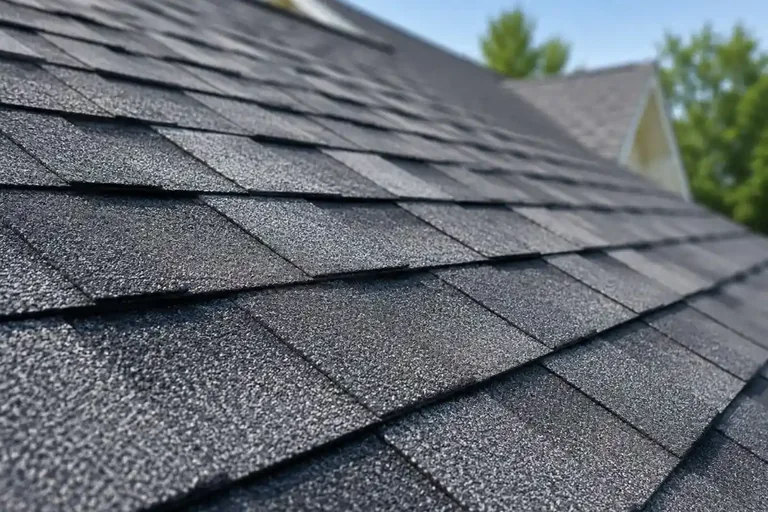
The traditional three-tab asphalt shingle roofing is not very well suited for the severe weather conditions encountered in Upstate New York. Instead, architectural (or dimensional) asphalt shingles have proven to be the most popular option among the best roofing shingles Rochester roofers recommend.
Unlike flat, single-layer three-tab alternatives, architectural shingles are manufactured with multiple layers of fiberglass mat and refined asphalt laminated together. This gives them a rich, multi-dimensional look that mimics wood shakes or slate while offering vastly superior protection.
- Wind and Impact Resistance: Most high-quality architectural shingles have a wind warranty of up to 130 mph, which is able to withstand the gusty windstorms blowing off Lake Ontario. Many also have a Class 3 or Class 4 impact rating that will withstand hail.
- Algae Protection: High-quality brands embed granules with copper in the surface of the shingle to combat the dark, unsightly staining from localized humidity.
- Cost-Effectiveness: They fall somewhere in the middle of roofing investments in both cost and lifespan, ranging from 25 to 30 years.
2. Metal Roofing (The Ultimate Winter Defender)
Residential metal roofing has recently become a popular roofing choice in Western and Central New York for homes that were once used only in commercial buildings or rustic cabins. There are two types of roof shingles available: standing seam panels (fastened panels) and stamped metal roof shingles that resemble slate or tile.
- Flawless Snow Shedding: Metal roofs have a smooth, low-friction surface. As the snow builds up, the heat from the sun heats up the whole snow cover, and it slides off safely, totally eliminating the conditions that are conducive to the creation of ice dams.
- Longevity: A professionally installed metal roof can last as long as 40-70 years, and you may well need to install the roof and never have to purchase another one.
- Extreme Durability: Metal does not crack, warp or split with extreme freeze-thaw conditions. It’s totally fireproof, rot and pest resistant and reflects heat to keep your attic cooler on hot summer days.
- The Catch: The metal is about two to three times the cost of architectural shingles and will require a higher initial investment.
3. Synthetic (Composite) Slate and Wood Shakes
As an historic owner in areas like Park Avenue or East Avenue, you might want to have the traditional appeal of real slate or cedar shingles, but you don’t want the upkeep or restrictions. An outstanding modern alternative is synthetic roofing materials. Made from high-grade polymers, rubber, and plastics generated in industrial processes, the tiles are formed from actual slate or wood and capture the authentic texture with perfection.
| Material | Lifespan | Average Weight | Maintenance Needs |
| Genuine Slate | 75–100+ Years | Heavy ($800–1,500$ lbs/square) | High (Fragile tiles crack easily) |
| Synthetic Slate | 50+ Years | Light ($200–300$ lbs/square) | Virtually Zero (Highly flexible) |
- No Structural Modifications Needed: Real slate is heavy, and if a house is older or built traditionally, it may need reinforced rafters to bear the weight of the stone and the heavy winter snow loads. Synthetic slate provides the same luxurious appeal, but at a much lighter weight.
- Unmatched Performance: Most of the composite roofing is capable of a Class 4 impact rating (the highest rating for hail) and a Class A fire rating. They are not water-absorbing and thus are completely resistant to freeze-thaw cracking and rot.
Critical Component Additions for Rochester Roofs
Selecting the ideal shingle material is not sufficient to safeguard your home. The weakest part is the weakest part of a roofing system. In Rochester, a roofing contractor should make three critical changes to your roofing assembly to ensure it complies with local building codes and withstands winter conditions to the best of his ability.
Ice and Water Shield Barrier
New York State building codes dictate that an asphalt-saturated felt or synthetic underlayment isn’t enough along the roof’s edge. Installers are responsible for installing a self-adhering, rubberized asphalt Ice and Water Shield membrane. This waterproof barrier is to be at least 24 inches from the eave’s edge down to at least the interior warm wall line. When an ice dam occurs, this rubberized material extends tightly around the shingle nails, which stops water from entering the wooden roof deck.
Balanced Ventilation Systems
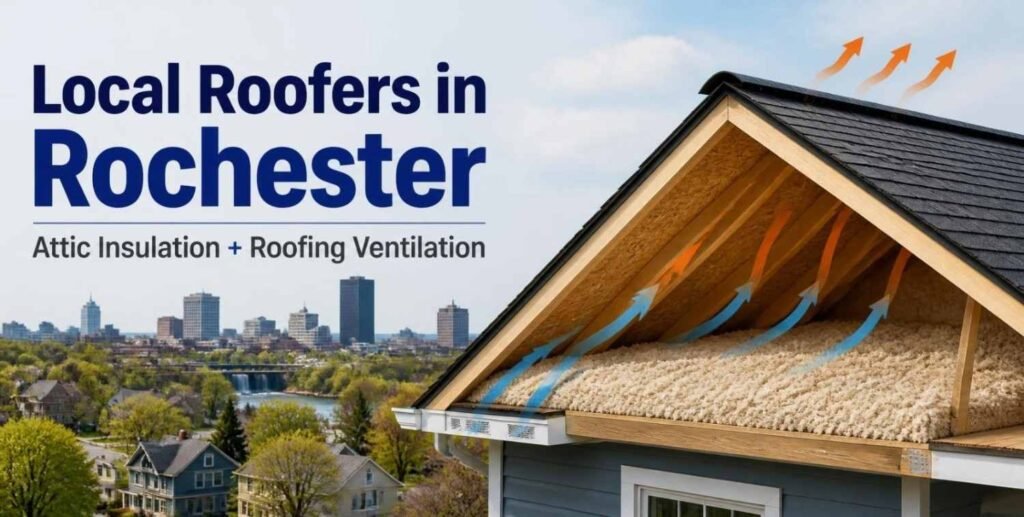
Your roof must achieve a continuous balance with the outside temperature in order to prevent the warm attic spaces, which cause ice dams. This calls for an even approach to ventilation:
- Intake Vents (Soffit Vents): Vent located under the roof eaves to draw cool air into the attic space.
- Exhaust Vents (Ridge Vents): Make cross-cuts near the top of the roof line to vent the rising warm, humid air naturally out of the house.
The roof can exhaust excessive heat in the summer to help preserve shingle life and stay cool in the winter, which dramatically decreases the risk of ice dams.
Comparison Summary: Finding Your Perfect Match
To help make the decision, check out these top roofing materials compared on the values that are important to Monroe County residents.
| Feature | Architectural Shingles | Standing Seam Metal | Synthetic Slate / Shake |
| Initial Cost | Budget-Friendly / Moderate | High | Premium |
| Expected Lifespan | 25 – 30 Years | 40 – 70 Years | 50+ Years |
| Ice Dam Resistance | Moderate (Requires good ventilation) | Excellent (Sheds snow smoothly) | High (Non-porous surfaces) |
| Aesthetic Versatility | High (Wide color selection) | Modern / Industrial | Historic / Upscale |
| Maintenance Needs | Low | Very Low | Minimal |
How Rochester Homeowners Can Maximize Roof Lifespan
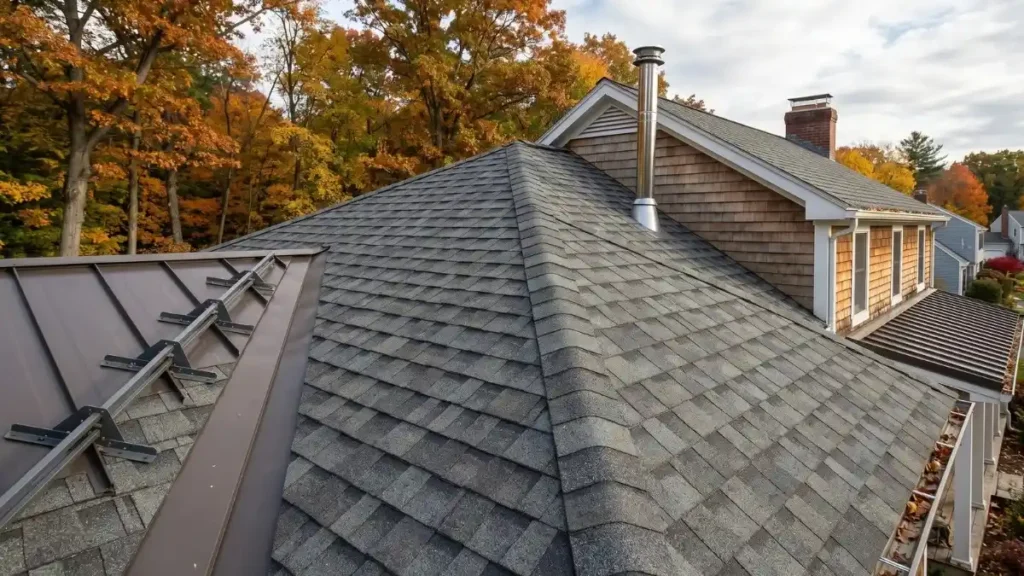
The first is to select the best roofing material, but that’s merely the beginning of home protection. The best roofing systems need to be maintained and monitored regularly to maximize their lifespan. Roofs in Rochester are subjected to a lot of stress all year long, and preventive maintenance is particularly important.
Schedule Annual Roof Inspections
Professional roof inspections can detect small issues before they become costly roof repairs. Inspections are recommended every year, and following large storms.
When conducting an inspection, contractors usually inspect:
- Missing or damaged shingles
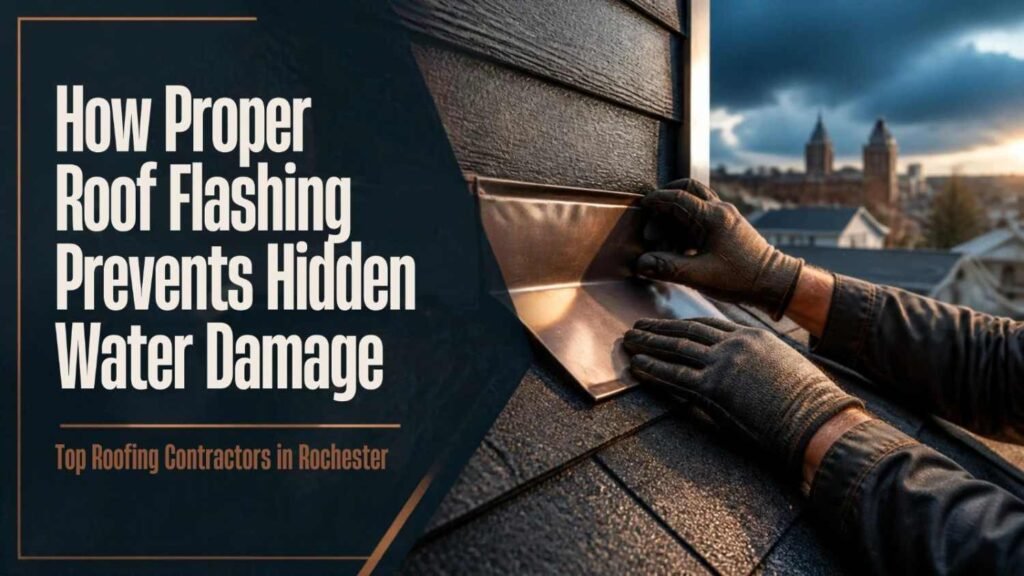
- Flashing around chimneys and vents
- Signs of water intrusion
- Gutter performance
- Roof ventilation systems
- Ice dam damage
A homeowner could save thousands in repair costs if they are able to detect leaks early on.
Keep Gutters Clean
Gutters are an important component of roofing protection systems. Gutters that are clogged with leaves, debris, and dirt can create a backup of water under shingles, leading to a potential water leakage.
Owners of homes in Rochester should clean their gutters:
- During spring
- During late fall
- After severe storms
Good drainage can minimize moisture problems and ice dams in the winter.
Trim Overhanging Tree Branches
Trees are beautiful and provide shade; however, hanging over the roof may cause issues.
Potential risks include:
- Collapsing trees when there is a storm.
- Excessive leaf accumulation
- Moss growth and algae from shade.
- Damage caused by rubbing branches
Frequent pruning can help keep the roof in good condition and reduce maintenance needs.
Improve Attic Insulation
Insulation combines with ventilation to help keep attic temperatures in check.
Proper insulation helps:
- Minimize heat loss in winter
- Excessive leaf accumulation
- Improve energy efficiency
- Extend the life of roofing materials
Poorly insulated attics are the most common problem with many Rochester roofing issues, not the roofing materials.
Address Repairs Immediately
Little roof leaks don’t stay little. When left unsealed by missing shingles, loose flashing or small leaks, they can quickly get worse with the onset of snow, rain, and freeze-thaw cycles.
Encourages homeowners to repair their homes promptly:
- Avoid structural damage
- Prevent mold growth
- Reduce long-term expenses
- Extend roof lifespan
Taking a proactive maintenance strategy allows for roofing materials to work efficiently for years of use.
With architectural shingles, metal roofing, or synthetic slate, the key to maintaining and protecting your investment while getting the most out of your roofing system is to install quality materials and provide adequate maintenance.
Final Thoughts
If you are constructing a home and considering roofing materials in Rochester, NY, you should choose a roof that is a suitable match for your long-term residence goals and budget.
When it comes to value, maximum ice and water protection, and high impact resistance, consider high-quality architectural asphalt shingles that are built to last. If, however, you intend to live in your home for a long time and need a solution that can easily support heavier lake-effect snow accumulations, then a standing seam metal roof or a synthetic slate roof is a worthy investment in long life, safety, and curb appeal.
When installing material, be sure to have a licensed, insured, and certified local roofing contractor you know that can refer you to a company that is familiar with Monroe County building codes, to guarantee that your material is placed in a manner that can stand up to Rochester’s next extreme weather.
Frequently Asked Questions (FAQs)
1. What is the best roofing material for Rochester, NY weather?
Architectural asphalt shingles, standing seam metal roofing, and synthetic slate are among the best options because they withstand snow, ice, wind, and temperature fluctuations effectively.
2. How long do architectural shingles last in Rochester?
Premium architectural shingles typically last between 25 and 30 years when properly installed and maintained under Rochester’s climate conditions.
3. Is metal roofing worth the higher cost?
Yes. Metal roofs can last 40 to 70 years, provide excellent snow shedding, resist ice dams, and require minimal maintenance compared to traditional roofing materials.
4. What causes ice dams on Rochester roofs?
Ice dams form when attic heat melts roof snow, causing water to refreeze near cold roof edges. Proper insulation and ventilation help prevent this issue.
5. Are synthetic slate roofs durable?
Yes. Synthetic slate roofs offer excellent durability, impact resistance, fire resistance, and weather protection while being significantly lighter than natural slate.
6. How often should a roof be inspected in Rochester?
Most roofing professionals recommend annual inspections and additional evaluations after major storms or severe winter weather events.
7. What is an ice and water shield?
An ice and water shield is a waterproof membrane installed beneath roofing materials that helps prevent water infiltration caused by ice dams and wind-driven rain.
8. Does roof ventilation really matter?
Absolutely. Proper ventilation reduces moisture buildup, prevents excessive attic heat, minimizes ice dam risks, and helps extend the lifespan of roofing materials.
9. Which roofing material requires the least maintenance?
Standing seam metal roofing generally requires the least maintenance due to its durability, weather resistance, and ability to shed snow and water efficiently.
10. Can roofing materials improve energy efficiency?
Yes. Modern roofing materials, reflective surfaces, proper insulation, and ventilation can reduce heating and cooling costs while improving overall home comfort throughout the year.