

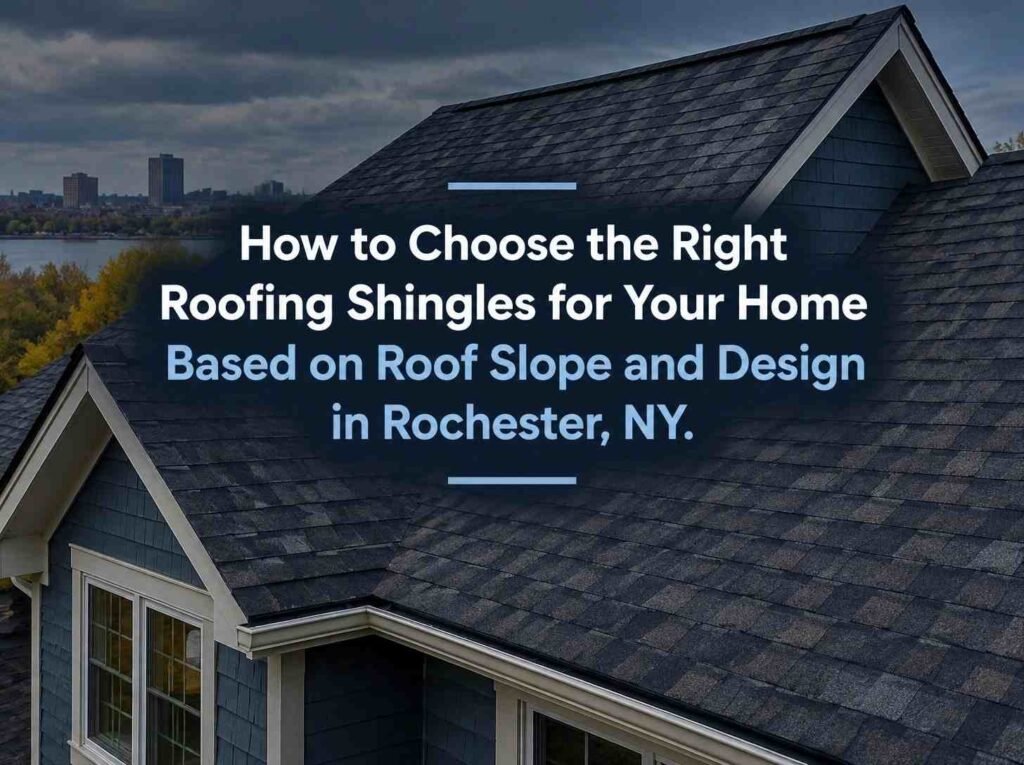
How to Choose the Right Roofing Shingles for Your Home Based on Roof Slope and Design in Rochester, NY explains how homeowners can select suitable roofing materials by considering roof pitch, architectural style, weather exposure, and long-term performance. The selection of the appropriate shingle is an essential consideration when planning a long-lasting roof, as the roof slope and the design of the roof affect the rainfall, snow, and moisture management of roofing materials. These considerations help homeowners make informed decisions about the type of shingles to use, the installation process, and roof protection.
The roofing material selection is crucial in Rochester, NY, due to the seasonal changes. Residential roofing systems can be subjected to extra stresses from heavy snow, rain, freezing, and temperature changes. Shingles should be carefully chosen to fit the home’s design and to meet the structural and installation needs for the roof. Learning how to relate roof slope to shingle performance can help homeowners select the right solution for their property by working with a roofing company that has the necessary expertise.
1. Understanding How Roof Slope Affects Shingle Selection
One of the foremost considerations before choosing roofing shingles is roof slope. It refers to the slope of a roof and affects the speed at which water runs off the roof to the gutters and drainage.
The ratio is generally used to describe roof slope. For example, if a roof has a pitch of 6:12, it will rise 6 inches over a 12-inch horizontal run.
Various roof pitches result in different drainage conditions. Low-slope roofs are low enough to trap rainwater and melting snow for longer periods of time, while steeper roofs will generally allow this water to run down.
The most typical roof slopes are listed below:
| Roof Slope | Description | Roofing Considerations |
| Low-slope roof | A relatively shallow roof angle | Requires careful attention to water drainage and underlayment |
| Moderate-slope roof | A balanced roof angle commonly found in residential properties | Compatible with many conventional shingle systems |
| Steep-slope roof | A sharply angled roof surface | Requires appropriate installation techniques and secure fastening |
Why Roof Pitch Matters
There are several factors in roofing performance affected by roof slope:
- Water drainage: The angle affects the rate at which rainwater flows over the roofing surface.
- Snow accumulation: Roofs with steeper pitches can have a greater tendency to collect and hold snow or shed it rapidly.
- Material compatibility: Certain roofing shingles have minimum slope requirements.
- Installation methods: May need extra safety and special installation methods for steeper roofs.
- Moisture protection: Correct underlayment and flashing to keep moisture out of susceptible areas.
Before selecting shingles, homeowners need to be familiar with their roofs’ pitch. A roofing inspection carried out by a professional can help find the existing pitch and decide the appropriate materials to be used.
2. Choosing Roofing Shingles for Different Roof Designs
The buildings are of various types, including traditional buildings with a simple gable roof and buildings with several sections of roof, Domesday houses, and buildings with complex rooflines, found in the residential part of Rochester.
The roof design has an impact on the look and functionality of a roofing system. The choice of shingles should match the architectural design of the house and not only protect from weather but also enhance the appearance.
Gable Roofs
A gable roof is a roof with two sloping planes that join together at a ridge. They are simple in design with direct flow of rainwater and snowmelt to the roof edges.
This type of roof is often covered with architectural asphalt shingles, which are available in various colours, textures and profiles.
Best practices for homeowners include keeping the roof under proper ridge ventilation, appropriate flashing, and edge protection to help support the roof system as a whole.
Hip Roofs
The roof of a hip roof is sloped on all four sides of the building. This design will help to form a more seamless roof line and can provide good wind resistance if designed correctly.
Architectural shingles can be used to tie in a hip roof and provide uniformity in appearance on other surfaces.
Installation must be done carefully around the areas of the hips, ridges, valleys and roof intersections to ensure protection for vulnerable areas.
Gambrel Roofs
Gambrel roofs feature two different slopes on each side. The lower end is steeper, and the upper end shallower.
It is important to consider the right materials for this design as the two sections of the roof could have different drainage properties. Roofing specialists need to ensure that the roofing shingles they use are suitable for the different angles of the roof.
Complex Roof Designs
There are various roof sections, dormers, valleys, and intersecting slopes in some houses. These designs provide extra spaces where water can pool and/or flow from one roof to another.
With these types of properties, the quality of the installation is of particular significance. Avoid moisture-related issues by properly building, flashing the valleys, underlayment, and aligning the shingles.
3. Comparing Different Types of Roofing Shingles
After homeowners have learned about their roof slope and design, the next step is to compare shingle materials. There are various pros and cons to all of these in terms of appearance, durability, cost and maintenance.
Asphalt shingles are still a very popular option for many residential properties, due to various styles and price ranges available.
But the best material will depend upon the roof construction, the roof’s slope, budget, and the performance that is anticipated from the roof.
Asphalt Shingles
Residential roofing is much more likely to utilize asphalt shingles because they come in various colours, designs, and thicknesses.
They work well with most traditional pitched roof structures if installed according to the manufacturer’s guidelines.
Common types include:
- Three-tab asphalt shingles
- Architectural asphalt shingles
- Premium asphalt shingles
Architectural shingles are thicker and have a dimensional appearance compared with traditional three-tab products. They can create a more textured roofline while offering different design options.
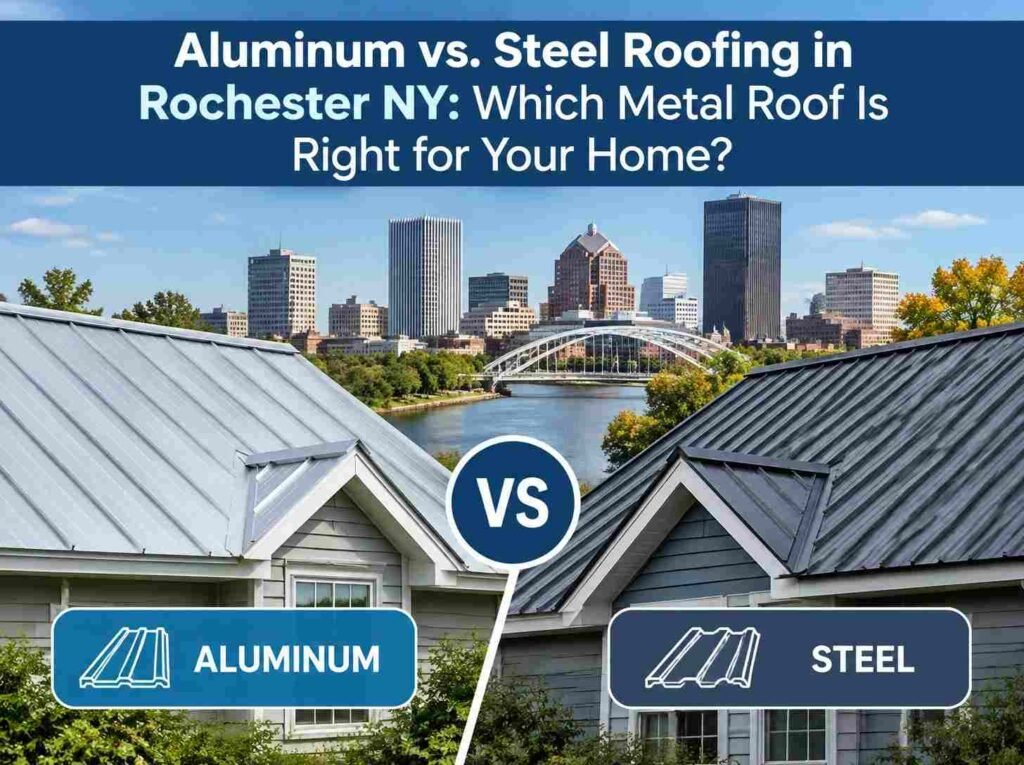
Metal Roofing
However, there is another roofing material that will appeal to people who want something else that will last longer than the roof on their home. Metal roofing is the choice for homeowners who want something different and that will last longer.
Depending on the system, metal roofing can be installed on various roof designs and may offer advantages for managing snow and rain.
The installation requirements vary for standing-seam panels and metal shingle systems, however. Noise, insulation, fastening, and compatibility with the existing roof structure are aspects that homeowners need to take into account.
Slate Roofing
Slate roofs have a unique natural look and can last for many decades if installed and maintained correctly.
It is often associated with traditional and high-end architectural designs.
Natural slate is, however, quite heavy and may need extra support. Roof framing must be considered before installation, and special know-how is key.
Wood Shingles and Shakes
Wood shingles and shakes give a natural look that matches some of the architectural styles.
They do need to be maintained properly, however, and must take into account moisture, fire ratings, and local building regulations.
Homeowners should consider how well this material will withstand Rochester’s weather and their particular home.
Roofing Material Comparison
| Roofing Material | Appearance | Main Considerations |
| Three-tab asphalt | Traditional and uniform | Economical option with a simple profile |
| Architectural asphalt | Textured and dimensional | Versatile residential option |
| Premium asphalt | More detailed and distinctive | Higher material cost |
| Metal roofing | Modern or traditional depending on design | Panel compatibility and installation details |
| Slate | Natural and elegant | High weight and specialised installation |
| Wood shingles | Rustic and natural | Maintenance and moisture protection |
Not all roofing materials are appropriate for all roof slopes. When purchasing a product, always follow the instructions for installation.
4. How Rochester’s Weather Influences Roofing Shingle Selection
One of the most crucial factors to take into account when choosing roofing shingles is weather. Seasonal weather variations can impact roof surfaces, drainage and the overall condition of home properties at Rochester.
Snow, ice, and freezing temperatures during the winter season especially are significant because they can exert extra stress on roof surfaces. Homeowners should select products for the type of weather to which it will be exposed and make sure the roofing system is installed properly.
Heavy snowfall and roof performance
Roofs can be burdened by accumulations of snow. Roof slope will affect the way snow can slide over the roof, but it will not ensure that snow will slide safely off the roof.
Homeowners need to take into account the following factors when selecting roofing shingles:
- Whether the product is suitable for the expected winter conditions.
- The roof structure’s ability to support anticipated snow loads.
- Whether the roof has appropriate ventilation.
- Whether vulnerable roof sections have suitable waterproofing.
- Whether snow guards or other snow-management measures are necessary.
Architectural asphalt shingles are frequently installed on pitched residential roofs, and their performance is dependent on product specifications, quality of their installation, and the condition of the roof structure.
Ice Dam and Moisture Protection
Ice dams can form when warm parts of a roof melt snow from a roof while it remains cold elsewhere. The melt can drain to cooler eaves where it re-freezes and continues to create an ice dam.
These can cause any remaining melting snow to not drain properly and can create a pathway for water to flow under roof materials.
The following addresses the risks that homeowners can reduce:
- Inadequate attic insulation.
- Air leakage between rooms and attic.
- Poor attic ventilation.
- Poor waterproof protection around the roof eaves.
- Current drainage/roof maintenance issues.
Depending on the applicable building requirements and manufacturer instructions, an ice-and-water protection membrane might be needed in vulnerable areas.
Rainfall and Drainage
Another factor to take into account is rainwater drainage. A flatter roof may not be a very good drainer when compared to a steep roof.
A correctly selected shingle with the correct underlayment and flashing and a properly designed gutter enables water to be directed away from the building.
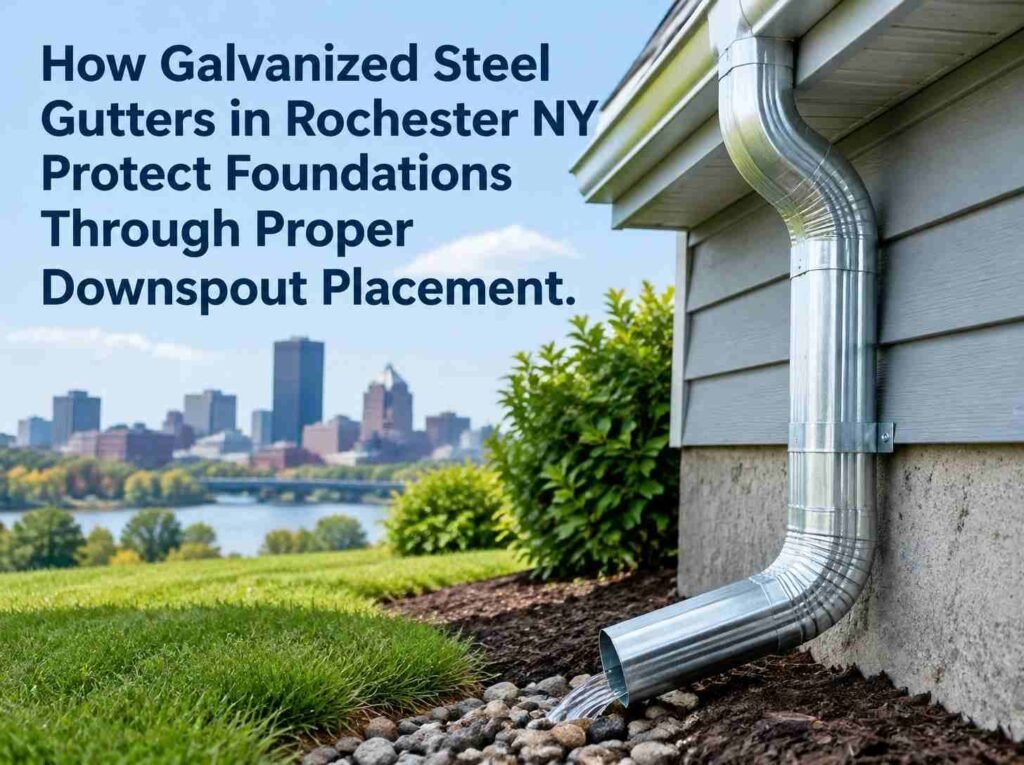
It is also important for homeowners to check gutters and downspouts frequently for clogs, as these can play a role in moisture issues at the roof edges.
5. Understanding Minimum Roof Slope Requirements for Shingles
It’s important to consider the pitch of the roof when choosing roofing shingles for a roofing project.
The installation process varies from roofing product to product. The roofing problems and water infiltration risk may be higher if you install shingles outside of the specified slope range.
Why Proper Underlayment Matters
Underlayment is a sheet of material that is put under the roofing shingles to create an extra barrier from moisture.
It is significant in waterproofing the roof deck during the movement of water underneath the outer roofing surface.
Typically, underlayment can be:
- Asphalt-saturated felt underlayment.
- Synthetic roofing underlayment.
- Self-adhering waterproof membranes.
The type of underlayment to be used is determined by the type of shingle used, roof slope, local conditions, and manufacturers’ instructions.
To achieve a successful Rochester Roof Installation, contractors should consider the entire roofing assembly and not just the roof shingle material.
6. Matching Shingle Colours and Styles With Your Home’s Architecture
Roofing shingles have more to do with than just weather protection. They are also important to the overall look of a house.
The appropriate colour and design can complement external siding, brickwork, windows, doors and other architectural elements.
Consider the Existing Exterior Colours
When choosing a roofing colour for their home, homeowners should take into account the other elements of their home.
There are some common pairings such as:
| Home Exterior | Suggested Shingle Colours |
| White siding | Charcoal, black, or slate grey |
| Red brick | Dark brown, charcoal, or weathered wood |
| Beige siding | Brown, tan, or dark grey |
| Grey siding | Black, slate, or charcoal |
| Natural stone | Brown, grey, or blended earth tones |
These are combinations that are beginnings, not design rules. When looking at physical shingle samples, homeowners can make a better-informed decision when they view the shingle samples along with the exterior of the home.
7. Evaluating Shingle Quality, Durability, and Warranty Coverage
Roofing shingles aren’t all created equal. Products in the same material type can come in various styles, wind ratings, impact resistance and warranties.
When picking shingles, homeowners should take the time to read the specification details – not just appearance or price.
8. Why Professional Shingle Installation Matters
Changing the right shingles is just one facet of a successful roofing task. Installation is also essential, as even good materials can have issues when not installed properly.
Professional shingle installation Rochester services can help homeowners ensure that roofing materials are compatible with the roof design and installed according to manufacturer specifications.
Important Steps During Shingle Installation
1. Initial roof inspection
The contractors should review the roof and look for any signs of damage, review the roof system, and review the roof deck, flashing, and ventilation system.
2. Roof measurements and slope assessment
Precise measurements are used to calculate the amount of roofing materials needed. It is also important for the contractor to consider the slope of each roof area.
3. Removal of existing roofing materials
If full replacement is necessary, current shingles might have to be scraped off to examine the underlying structure and surface prep.
4. Roof deck preparation
If the decking is damaged or broken, it needs to be fixed before applying the new roofing material.
5. Underlayment and flashing installation
As per the roof design and the requirements, underlayment, drip edges, flashing, and waterproof membranes should be installed.
6. Shingle placement and fastening
Shingles need to be installed, adjusted, and secured as per the manufacturer’s directions. Roofing performance is affected by the number, placement and pattern of nails, as well as by exposure measurements.
7. Ridge and hip finishing
Specialised ridge and hip products should be installed as necessary to complete the roofing system and to give the roof a uniform look.
8. Final inspection and site cleanup
Once the installation is complete, the contractors should inspect the completed roof, assess vulnerable areas, clean up any remaining materials, and ensure the property is left in an appropriate state.
9. Understanding the Cost of Choosing and Installing Roofing Shingles
The cost of roofing is dependent on the size of the project, the complexity of the roof, roofing materials, the amount of work required to install the roof, and the existing roofing system’s condition.
But instead of comparing just shingle prices, homeowners should take into account the overall installation price when they are considering a roofing job.
Factors That Influence Roofing Costs
| Cost Factor | How It Affects the Project |
| Roof size | Larger roofs generally require more materials and labour |
| Roof slope | Steeper roofs may require additional safety measures and labour |
| Roof complexity | Dormers, valleys, and multiple sections increase installation work |
| Shingle type | Premium materials generally cost more than basic options |
| Existing roof condition | Decking repairs can increase project expenses |
| Underlayment | Waterproofing requirements influence material costs |
| Flashing and ventilation | Additional components may be necessary |
| Removal and disposal | Existing roofing materials may require removal and disposal |
Conclusion
When selecting roofing shingles, of course, you need to take into account the price, style, and color, but there’s much more to it than that. When replacing a roof, homeowners need to take into account roof slope, architectural design, drainage needs, weather exposure and roofing materials that will be compatible with the existing structure.
These are critical factors to consider, particularly in Rochester, NY, where seasonal snow, freezing temperatures, rain and weather can affect roof performance. Homeowners can better understand the differences among asphalt shingles, metal roofing, slate and other roofing materials to make well-informed choices for their home and budget.
A successful Rochester Roof Installation also depends on proper preparation, suitable underlayment, correctly installed flashing, adequate ventilation, and professional workmanship. By evaluating these factors and working with an experienced roofing contractor, homeowners can make informed decisions about their roofing projects and invest in a system designed to protect their homes for years to come.
Frequently Asked Questions
1. Which roofing shingles are best for homes in Rochester, NY?
Architectural asphalt shingles are a popular residential option because they offer different styles and colours while providing suitable performance when correctly installed.
2. How does roof slope affect shingle selection?
Roof slope influences drainage, moisture exposure, and material compatibility. Homeowners should select shingles that meet the manufacturer’s minimum pitch requirements.
3. Can asphalt shingles be installed on low-slope roofs?
Some asphalt shingles are approved for slopes as low as 2:12 with additional underlayment requirements, but they are generally unsuitable below 2:12.
4. Are architectural shingles better than three-tab shingles?
Architectural shingles offer a thicker, dimensional appearance and different product specifications, while three-tab shingles provide a simpler and generally more economical option.
5. What roof design works best with asphalt shingles?
Asphalt shingles are suitable for many pitched residential roof designs, including gable, hip, and certain gambrel roofs, subject to product requirements.
6. How does Rochester’s winter weather affect roofing shingles?
Snow, ice, freezing temperatures, and temperature fluctuations can affect roofing materials, drainage, and moisture protection throughout winter.
7. What causes ice dams on residential roofs?
Ice dams commonly develop when heat escapes into the attic, melts snow on the roof, and causes water to refreeze near colder roof edges.
8. How long does residential shingle installation take?
Many straightforward residential shingle replacements take approximately one to several days, depending on roof size, complexity, weather, and necessary repairs.
9. How can homeowners maintain newly installed roofing shingles?
Regular professional inspections, gutter cleaning, checking flashing, and addressing damaged shingles can help maintain the roofing system.
10. Why should homeowners hire professional roofing contractors?
Professional contractors can assess roof conditions, recommend compatible materials, follow manufacturer installation requirements, and identify potential roofing problems.