

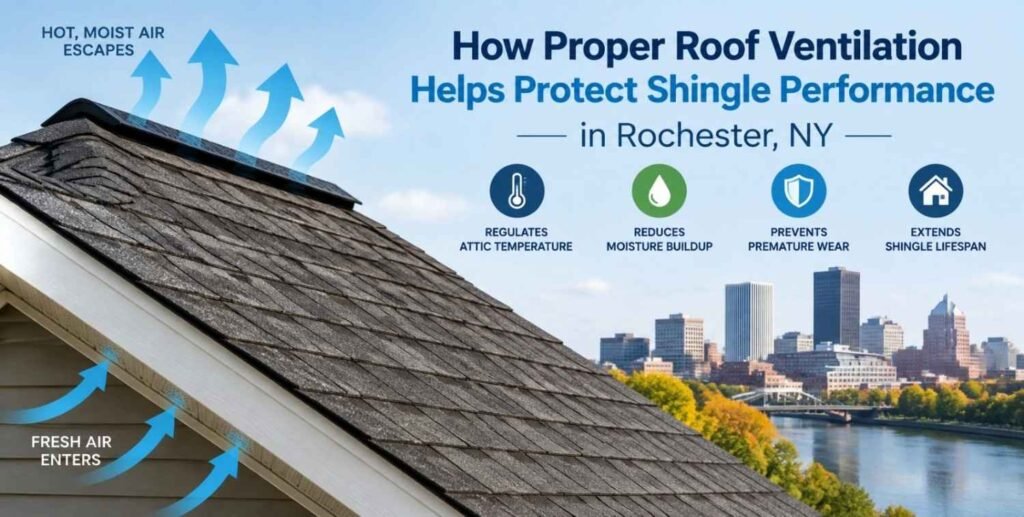
How Proper Roof Ventilation Helps Protect Shingle Performance in Rochester, NY to understand that a roof’s performance depends on more than the quality of its shingles and installation. If proper ventilation is not provided by a roof, heat and moisture can become trapped in the attic space, which can impact shingles, insulation and the roof structure. Rochester’s shifting temperatures and precipitation require critical indoor air quality control measures to ensure protection of the roof over the home year-round. Knowing how roof ventilation functions, identifying signs of poor ventilation, and taking proactive measures to correct ventilation issues can enable homeowners to keep their shingles performing well and prevent costly repairs.
What Is Roof Ventilation?
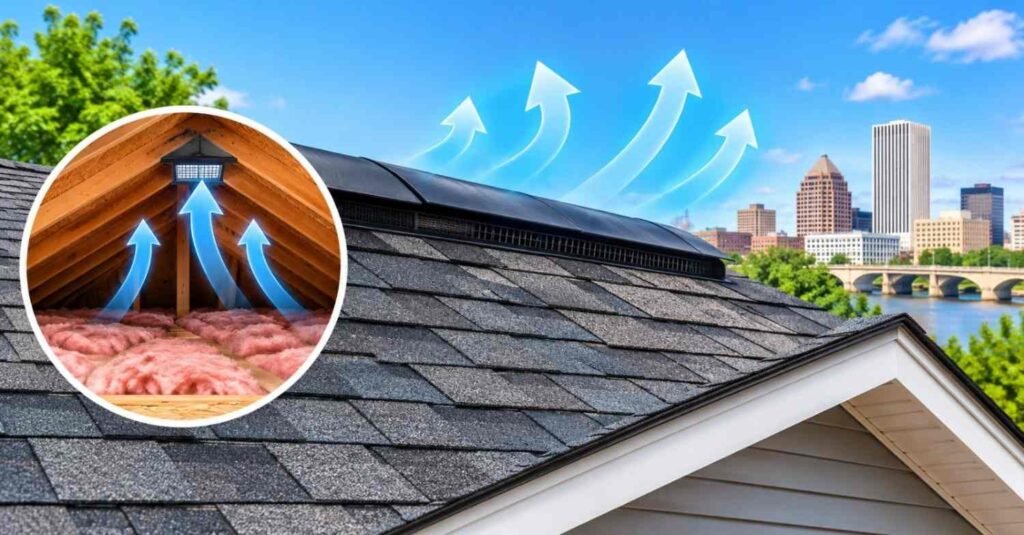
Ventilation through a roof is referred to as roof ventilation. A well-designed system draws cooler outside air into the attic via intake vents and expels the warmer, moisture-laden air through exhaust vents.
By maintaining continuous airflow, a more balanced attic environment is maintained year-round.
Most residential roof ventilating systems consist of two basic parts:
- Intake vents: These let outside air come into the attic. They’re typically attached to the bottom of the roof, like the soffits.
- Exhaust vents: These vents will let warm and moist air escape from the attic. They can be installed in close proximity to the roof ridge or other appropriate area.
Both components need to work together. Having exhaust vents without enough intake airflow, or intake vents without effective exhaust, can reduce the performance of the ventilation system.
Why Roof Ventilation Matters for Shingle Performance
The purpose of asphalt shingles is to provide protection for a building against the weather elements of rain, sunlight, wind, etc. But their performance is also subject to the condition of the roofing system below.
Bad attic ventilation can cause several issues that can impact roof performance.
1. Helps Reduce Excessive Attic Heat
In the summer months, the sun’s heat is absorbed by the roof surface. A portion of this heat is also transferred to the attic space, where it can get much hotter than the ambient temperature.
If there is not adequate ventilation, hot air can be trapped in the attic. This can contribute to an uncomfortable indoor environment and place additional demands on cooling systems.
Good ventilation allows heat to escape and helps to maintain a more even temperature in the attic.
2. Helps Manage Moisture Build-Up
When people cook, bathe, and do laundry around the house, moisture can infiltrate an attic. Condensation can form when warm indoor air comes into contact with a cold attic surface.
Too much moisture can cause problems in wooden roof structures, insulation, and in other building materials. Can also cause mould growth under appropriate conditions.
If the ventilation system is designed well, it can help get rid of moist air and minimize the chances of lingering condensation.
3. Supports Longer Roofing System Performance
The roofing system is one component of roof ventilation. Insufficient airflow and moisture management can allow roofing materials and underlying structures to experience conditions that can lead to deterioration.
When installed and maintained properly, along with good ventilation, asphalt shingle roofs can contribute to the overall performance.
But ventilation is not enough to protect against all roofing issues. The quality of the shingles, how they are installed, the design of the roof and maintenance also have an impact on the roof’s lifespan.
4. Helps Reduce Ice Dam Risk
Ice dams are a common winter occurrence when the heat loss through the attic causes melting of snow on parts of the roof. The melted water may drain to cooler edges of the roof and re-freeze.
This can lead to an accumulation of ice and subsequent failure to drain additional melting snow properly. Water can then flow under the shingles and leak.
Pairing adequate insulation and air sealing with balanced attic ventilation can help to keep roof temperatures more uniform and minimize conditions that can lead to ice dams.
How Rochester’s Weather Affects Roof Ventilation
Rochester has a variety of weather conditions. Roofing systems can be impacted by the summer heat, rain, humidity, cooler weather, and winter snow.
These seasonal conditions should be taken into account when considering ventilation for a home’s roof.
| Seasonal condition | Possible roofing concern | Why ventilation matters |
| Summer heat | High attic temperatures | Helps remove accumulated warm air |
| Summer humidity | Moisture accumulation | Supports moisture removal |
| Autumn rainfall | Water entering through damaged roof components | Proper ventilation supports attic moisture management but does not replace waterproofing |
| Winter snowfall | Ice dam formation under certain conditions | Helps maintain more consistent attic and roof temperatures |
| Spring temperature changes | Condensation and moisture concerns | Supports airflow as outdoor conditions change |
It is important to design a ventilation system to match both the structure of the roof and the attic space, the insulation, and the climate in the area. More vents do not necessarily mean that it will perform better.
Common Signs of Poor Roof Ventilation
Sometimes it is not easy to determine from the exterior of the property if there is a problem with roof ventilation. But some warning signs may suggest that a closer look should be taken in the attic.
Excessive Attic Heat
During hot weather, one possible reason the attic temperature gets very high is due to airflow restriction. Other factors must also be taken into account, such as the level of insulation, roof colour, amount of sunlight, etc.
Moisture or Condensation
If water droplets are seen on roof sheathing, if the insulation is wet, or if moisture can be seen or smells in the attic space, then it is a sign of a problem with ventilation or air sealing.
Mould or Musty Odours
Moisture control issues can provide the conditions necessary for mould growth. If the attic or adjacent rooms have a musty odor, it may indicate a problem that requires further investigation.
Peeling Paint Near Roof Areas
Excessive moisture may be responsible for peeling paint around upper walls or ceilings. Other leakage sources such as roof leaks, plumbing issues, etc., should be checked.
Uneven Shingle Deterioration
There are several potential causes for premature shingle deterioration, such as installation issues, inadequate ventilation, manufacturing defects or exposure to the environment.
Ventilation may be a cause of the issue, and an inspection will help determine this.
Different Types of Roof Ventilation Systems
There are a variety of roof ventilation designs. This will depend on the roof’s shape and size, existing vents, and attic structure.
Ridge Vents
Ridge vents are mounted on the ridge of the roof and provide an escape route for warm air from the upper-level attic. They are frequently used in conjunction with soffit vents for a balanced airflow.
Soffit Vents
The vents run along the roof overhang (under the roof). They are used for intake airflow and usually are installed with ridge vents.
Gable Vents
Gable vents are placed in the upper part of outside walls on the ends of a roof. Because of a building’s design and wind conditions, they permit air to flow through the attic.
Roof Louvers
Roof louvers are built into the roof surface and allow the roof to be ventilated. The location and the number of them will be determined by the attic design and the desired ventilation capacity.
Powered Attic Ventilators
Electrically operated ventilators circulate air through the attic. They need careful design as un-designed systems can cause problems with the conditioned air coming from the living space or develop pressure issues.
Depending on the entire roof and attic system, the intentional ventilation method should be determined, not by the type of vent.
Understanding the Relationship Between Ventilation and Roof Drainage
Ventilation and drainage are used to serve different purposes, but both are important to roofing system performance.
Roof ventilation controls heat and moisture in the attic or roof space. Rainwater and melting snow are taken away from the roof surface via roof drainage.
Both systems are to be taken into account for roof maintenance planning or roof replacement.
Why Commercial Roof Drainage Matters
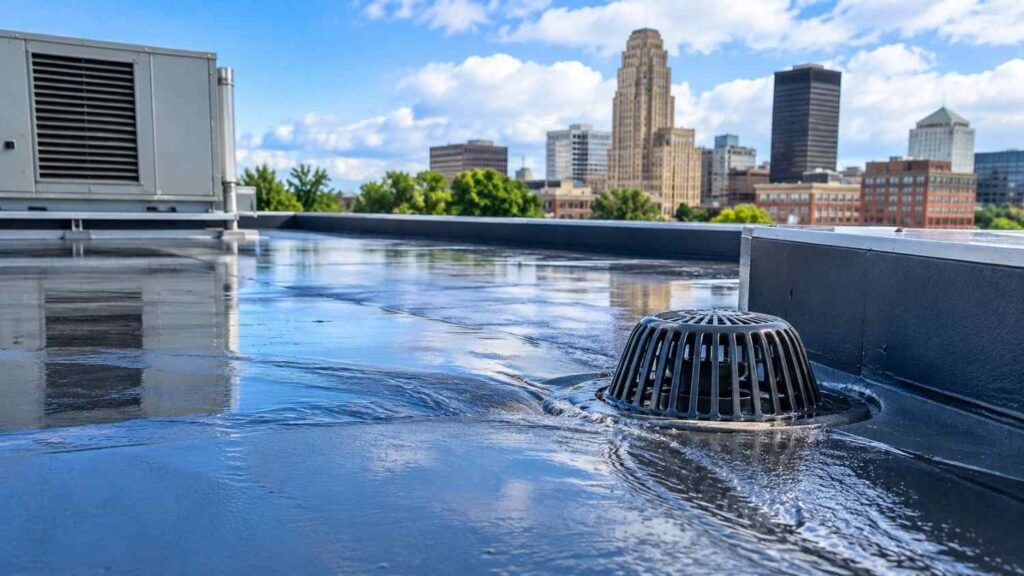
Roof designs for large commercial buildings can be complex, and they require thoughtful planning and execution to ensure proper drainage. For flat and low-slope roofs, for instance, there must be an appropriate drainage path to ensure adequate drainage of water.
In order to achieve an effective commercial roof drainage system, it is possible to use internal roof drains, scuppers, gutters and slopes designed appropriately.
While many residential roofing systems have moisture control systems and require ventilation, commercial structures may have alternative assemblies and moisture control methods.
The Role of Commercial Roof Gutters
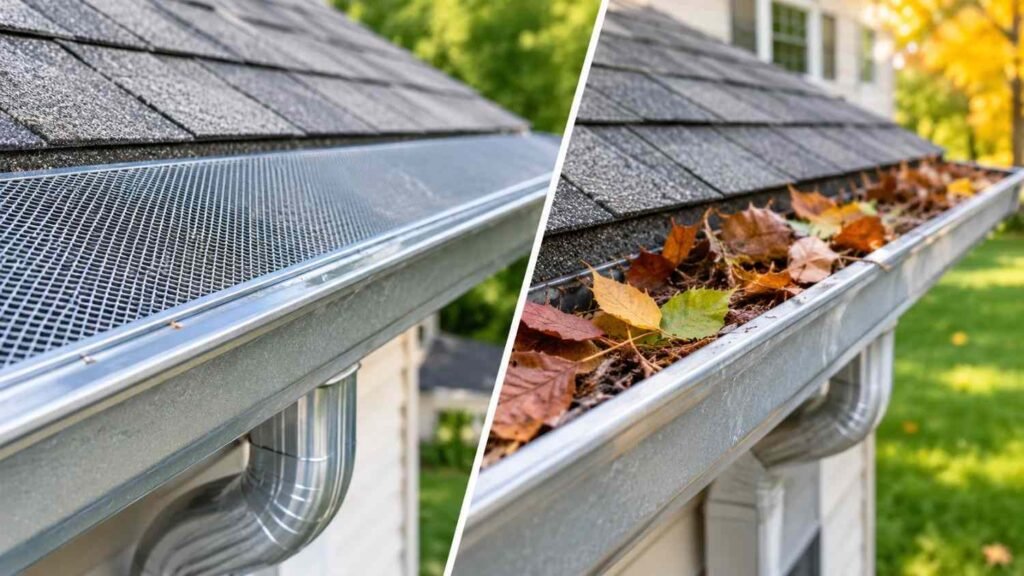
Commercial roof gutters aid in the collection and movement of water away from the edges of the roof and building foundations. Leaves, dirt or debris can clog gutters, causing water to back up and cause issues near exterior walls and foundations.
Gutter checks on a regular basis can help to make sure that the water will flow through the gutter as it is designed.
Flat Roof Drainage in Rochester
When a building has a low-slope roof, flat roof drainage Rochester should be taken into account. These roofs can feature scuppers, tapered insulation, internal drains or other drainage elements to direct water to a specific outlet.
Blown drains, bad slope, or drainage design issues can cause standing water and should be investigated.
Vent and drain are not synonymous. To achieve good drainage and to prevent attic moisture problems, a roof must also be properly ventilated, and a roof that is well ventilated could still leak if the drainage system is damaged.
Why Professional Roof Inspections Matter
Roof ventilation problems can be difficult to diagnose without examining the complete roofing system. A service provider may be able to determine if the problem is caused by insufficient intake of air, blocked exhaust vents, poor insulation, air leakage or moisture coming from another source.
During an inspection, roofing professionals can check the following:
- Existing intake and exhaust vents.
- Attic airflow and ventilation balance.
- Insulation condition and coverage.
- Signs of condensation or moisture damage.
- Roof decking and visible structural concerns.
- Shingle condition and installation details.
- Flashing and roof penetration areas.
- Gutters and drainage components.
Before repairs are recommended or more ventilation equipment installed, the cause of a problem should be identified during the inspection.
What to Consider When Choosing Roofing Contractors in Rochester
When hiring a roofing professional, there’s more to it than just looking at cost comparisons. Homeowners need to be aware of how a contractor decides on the ventilation, roofing materials, installation and maintenance in the long run.
Consider these points when reviewing commercial roofing contractors or residential roofing professionals for a project.
Experience With Different Roofing Systems
Inquire if the contractor has experience with the roof type that is being used. Shingle roofing, metal roofing, and commercial low-slope systems are different and require different approaches for installation and maintenance.
Ventilation Assessment
A contractor should be able to explain the operating principles of the existing ventilation system and whether there is a balance of intake and exhaust airflow.
Clear Project Estimates
A written estimate should detail the work, materials, labour, ventilation improvements and any other repairs that may be necessary.
Insurance and Licensing
Ensure that the contractor has the necessary insurance coverage and licences in place for the work they are doing.
Warranty Information
Inquire as to any warranties that come with the roofing system and installation. Be familiar with coverage conditions, coverage exclusions, and maintenance requirements.
Maintenance Recommendations
A quality roofing company will provide guidelines for roof maintenance after it is installed, such as regular inspections, cleaning gutters, and checking ventilation elements.
When choosing a roofing company for a roof replacement or repairs in Rochester, homeowners should take into account the following factors when comparing roofing companies.
Practical Roof Ventilation Maintenance Tips
Regular maintenance is essential to ensure roof ventilation systems function properly. The following tasks can be part of a homeowner’s roof maintenance program.
- Inspect attic vents: Check for visible blockages caused by dust, debris, insulation, or other materials.
- Keep soffit vents clear: Make sure insulation does not cover the intended intake openings.
- Check for moisture: Look for condensation, damp insulation, mould, or unusual odours.
- Inspect roof components: Look for damaged shingles, flashing problems, or signs of water entry.
- Maintain gutters: Remove leaves and debris so rainwater can flow through the drainage system.
- Review attic insulation: Ensure insulation is properly installed without blocking ventilation paths.
- Schedule professional inspections: Have the roofing system checked when warning signs appear or as part of regular maintenance.
Homeowners should avoid climbing onto roofs without suitable training and safety equipment. Professional inspections are a safer option for checking difficult-to-access areas.
How Roof Ventilation Affects Energy Efficiency
Proper roof ventilation may affect the thermal performance of a building both in summer and winter. If the warm air stays in an attic, it can add to the amount of heat transferred to the living areas below. This can result in increased air conditioning system cooling load in warmer seasons.
Generating excess heat and temperature control are aided by an appropriately designed ventilation system. But when combined with appropriate insulation and air sealing, ventilation can enhance energy performance.
This is especially significant for Rochester homeowners when the seasons change. Good ventilation and insulation of the roof can minimize the difference in temperature between the attic and living spaces.
It’s important that roofing pros consider the current ventilation and insulation levels before adding more vents. Placing vents in a manner that doesn’t take the whole attic system into account can fail to resolve the issue.
The Importance of Proper Ventilation During Roof Replacement
When replacing a roof, it’s a great time to assess the current ventilation system. The health of attic ventilation should be considered, as well as when picking new shingles, roof underlayment, and other roofing materials.
To determine if intake/exhaust vents are functioning properly, contractors may want to check the existing roof before putting in a new layer.
There are some important things to consider:
- Existing vent capacity: Check whether the current ventilation system provides suitable airflow for the attic space.
- Blocked intake openings: Identify insulation, debris, or other materials restricting soffit ventilation.
- Roof structure: Review the roof layout to determine suitable locations for ventilation components.
- Insulation condition: Check whether insulation is damaged, compressed, or incorrectly installed.
- Moisture problems: Look for signs of condensation, mould, or water damage that may require attention.
If the replacement of shingles does not correct an existing ventilation problem, then the problem may persist under the new roofing materials. A thorough roof evaluation let the homeowner know if roof ventilation improvements should be part of the new roof project.
How Roof Design Influences Ventilation Requirements
The ventilation needs of roofs vary. The shape of the roof, the size of the attic, the slope of the roof, the insulation, and the internal structure can all affect the movement of air through the attic.
For example, a pitched roof with an accessible attic could have soffit and ridge vents that provide a continuous airflow path. But if the roof surface is composed of multiple sections, dormers, or there is limited space in the attic, another arrangement is needed.
For some buildings, cathedral ceilings or closed roof assemblies may also exist where conventional attic ventilation may not be suitable. Careful design of these systems is necessary to control moisture and temperature within the roof structure.
This is why homeowners should avoid choosing ventilation products based only on price or appearance. The system should match the building’s construction and the manufacturer’s installation requirements.
What also needs to be taken into account by experienced commercial roofing contractors is the type of roof assembly that is being used on large properties. Commercial buildings can have specialized moisture control needs, mechanical equipment, and low-slope roofing systems, as well as insulation. This ventilation method may, therefore, be quite different from house roofing with shingles.
Why Regular Roof Maintenance Supports Ventilation Performance
Even with a well-installed ventilation system, the system can be less effective when its components are neglected. Ventilation openings can be blocked by dust, leaves, bird nests, etc., which can limit airflow.
These issues can lead to bigger roofing issues, which can be identified by regular maintenance.
Owners of a property ought to be aware of the following:
- Vent openings: Ensure intake or exhaust openings aren’t covered or obstructed.
- Roof edges: Check for any visible damage or obstructions of soffits and eaves.
- Check attic condition: For damp insulation, condensation or unusual smells.
- Roof surface: Inspect shingles and flashing for damage.
- Drainage components: Keep gutters clean and clear and away from the building.
For larger properties, plan for commercial roof drainage and commercial roof gutter maintenance. Drainage outlets that are blocked may cause water to pool on roof surfaces, which will cause problems.
Any persistent moisture, abnormal temperatures in the attic, or signs of roof damage should be followed up with professional roofing inspections for homeowners and commercial property managers.
Conclusion
Roof ventilation is a key part of the maintenance of shingle performance and in the protection of the roofing system as a whole. Airflow will help maintain a more comfortable temperature through the attic, consistent roof temperatures, and can help minimize conditions that lead to ice dams. Homeowners in Rochester should also take into account the quality of their shingles, insulation, roof installation, and regular maintenance when considering ventilation. Commercial roof drainage, commercial roof gutters, and flat roof drainage Rochester are other elements that should be addressed for drainage systems, especially on commercial buildings where drainage helps deal with rainwater and melting snow. This way, property owners can make informed decisions when looking for the Top Roofing Contractors in Rochester by understanding these roofing components and by comparing professionals.
Frequently Asked Questions
1. Why is roof ventilation important for shingle roofs?
Roof ventilation helps remove excess heat and moisture from attic spaces, supporting the performance of shingles and reducing moisture-related roofing problems.
2. Can poor attic ventilation damage asphalt shingles?
Poor ventilation may contribute to excessive attic heat and moisture problems, potentially affecting roofing materials and the overall roofing system.
3. What are the signs of inadequate roof ventilation?
Common warning signs include excessive attic heat, condensation, damp insulation, mould, musty smells, and certain forms of premature roofing deterioration.
4. Are ridge vents better than roof louvers?
The suitable option depends on roof design, attic layout, ventilation requirements, and whether adequate intake airflow is available.
5. Do soffit vents and ridge vents work together?
Yes. Soffit vents commonly provide fresh-air intake, while ridge vents allow warmer air to escape from the attic.
6. Can proper ventilation help reduce ice dams in Rochester?
Balanced ventilation, insulation, and air sealing can help reduce conditions that contribute to ice dams during cold Rochester winters.
7. How does roof ventilation control attic moisture?
Ventilation helps remove moisture-laden air, while proper air sealing and insulation help limit warm indoor air entering the attic.
8. What is the difference between roof ventilation and roof drainage?
Ventilation manages attic heat and moisture, while drainage systems remove rainwater and melting snow from the roof surface.
9. Why is commercial roof drainage important?
Commercial roof drainage helps direct water away from large roof surfaces, reducing the risk of persistent ponding and water-related damage.
10. How often should commercial roof gutters be inspected?
Inspection frequency depends on the building, surrounding trees, weather exposure, and maintenance requirements. Regular checks help identify blockages and damage.