

Roof Installation Rochester NY: How Roof Pitch Affects Materials, Drainage, and Performance is not just a matter of selecting the roofing material and fitting it on top of a roof. One of the factors that can influence the way rain, snow, ice, ventilation, and long-term wear affect a roof is roof pitch. The slope of the roof affects water runoff to the gutters and the drainage path, snow accumulation, type of roofing materials, and working conditions for the contractor. Knowing the pitch of a roof can help Rochester homeowners when they are looking to install a new roof or replace an older roof system.
What Is Roof Pitch?
Roof pitch describes how steep a roof is. It is commonly expressed as the vertical rise compared with the horizontal run. The 6:12-pitch roof rises 6 inches for every 12 inches of horizontal run, for instance. The 4/12 roof has a rise of 4 inches over a 12-inch run.
A roof project can involve different elements of roofing that can vary with the pitch of the roof, such as:
- Water drainage
- Snow accumulation
- Material selection
- Installation methods
- Attic ventilation
- Roof accessibility
- Maintenance requirements
- Overall roof performance
Two homes can have the same size roof and call for different types of installation due to the different pitches of their roofs.
Why Roof Pitch Matters in Rochester
During the year, Rochester homes face fluctuating weather conditions, such as freezing temperatures, winds, ice, snow, and rain. With these conditions, it is especially crucial to have an effective roof drainage system and proper installation.
If the roof surface has the correct slope, it will facilitate drainage of precipitation from the roof. If any sections of the roof have slow water movement, extra care needs to be taken with the flashing, underlayment, drainage, and more.
Another factor to take into account is snow. Several factors such as roof type, roof surface, room temperature, wind, nearby structures, and snow type can affect the amount of snow left on a roof.
Due to these factors, roof pitch must be thought of in conjunction with the design of the house, roofing material, ventilation, drainage system, and weather conditions in the area of the house.
How Roof Pitch Affects Water Drainage
A major purpose of roof slope is to assist water to flow towards the edges and to the drainage system.
On a sloped roof, gravity flows the water down the slope. The water is eventually collected in gutters, valleys, drainage outlets, or any other place where it is intended to be collected.
Roof slope may impact the speed of water removal from the roofing system. But pitch is not enough for drainage. Gutters, downspouts, valleys, flashing, and roof design and installation are also significant factors.
When installing roofs, the Rochester contractors should understand the interplay of all these parts and not treat each individual roof pitch as a separate entity.
Roof Pitch and Snow
Homeowners need to be aware of snow management during the winter season in Rochester. A steep roof may encourage the snow to slide or move off the roof more easily than a low-slope roof, but not all steep roofs will have snow sliding or moving off the roof. The behaviour of snow can be influenced by roof material, surface texture, temperature, wind, snow depth and surrounding buildings.
Lower-pitched roofs can also stay snow-covered longer. This can add to the stress on the roofing system when coupled with repeated freeze and thaw cycles.
Therefore, appropriate design of a structure is important when installing or replacing a roof in a region with high snowfall during winter.
Choosing Roofing Materials Based on Pitch
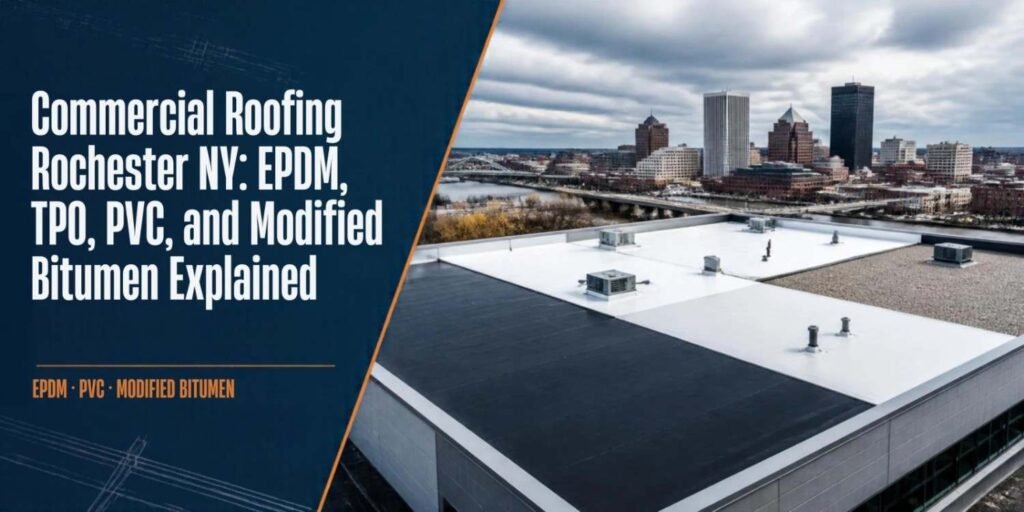
Roof pitch may affect the roofing material that’s suitable for a project. This is usually used for residential pitched roofs, and there are minimum slope requirements and instructions for installation. Waterproofing may need to be implemented in different ways on low-slope roofs, or the roofing system itself may be constructed to suit the low-slope application.
Other roofing options like metal roofing, slate, tile, and synthetic roofing could require different installation procedures. People should not decide on materials solely by attractiveness. The roofing product needs to match the roof’s slope and should be installed in accordance with the manufacturer’s instructions.
Asphalt Shingles and Roof Pitch
Asphalt shingles are a common roofing option for homes. Correct installation, using the proper underlayment, flashing, fastening, ventilation, and following the manufacturer’s requirements are all important factors in their performance.
Roof pitch influences the installation of shingles and water flow over the roof. The size of the roof to be replaced is one of the critical factors that a contractor should take into consideration when choosing an installation method for a roof replacement Rochester NY project. One of the most important factors that should be taken into consideration by a contractor conducting a roof replacement Rochester NY project is the size of the roof.
In cases where a roof has sections with varying slopes, each section may have to be assessed independently.
Low-Slope Roofing Considerations
Water control is important when dealing with low-slope roofs as water can travel more slowly across the surface.
Not all low-slope applications may require traditional steep-slope roofing products. For specific slopes and building designs, a roofing system designed to offer enhanced water protection may be recommended by the contractors.
The design of the drainage becomes critical. Roof drains, gutters, scuppers, tapered insulation, and more can be utilized based on the building being constructed. An expert roofing company will be able to determine which system is appropriate for the specific building.
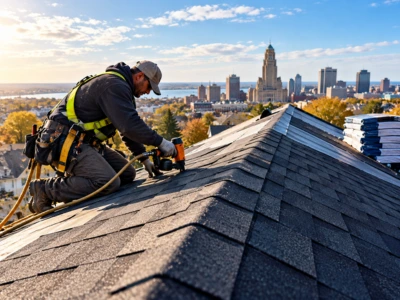
Steep Roofs and Installation Safety
The steeper the roof is, the more water it will drain, but the more difficult it will be to install and maintain.
Depending on the roof design and applicable requirements, workers might require other fall protection, special equipment, roof brackets, harnesses or other safety measures.
The slope of the roof surface can also affect installation time, as workers must work carefully when moving around on the roof surface and handling roofing materials.
One factor to take into account when comparing estimates made by roofing contractors Rochester NY is the specific method used to install the roofing system.
Roof Pitch and Attic Ventilation
The slope of the roof can also affect how you design the attic and provide ventilation.
An appropriate ventilation system may assist in controlling heat and moisture in the attic. Soffit vents, ridge vents, gable vents, or other elements can be used for ventilation, depending on the roof.
If ventilation is not adequate, moisture can build up and over time, impact roofing materials. The need for ventilation will vary with the building design and must be designed within the overall roofing system.
When installing a new roof over an existing roof on a Rochester roofing installation, contractors should check the existing ventilation system instead of replacing roofing materials.
How Pitch Affects Roof Valleys
Roof valleys are the region where two parts of a roof come together. They catch water on the slopes and bring it to a ditch.
It is important to design and install when it comes to valleys since they can collect a considerable amount of runoff.
The flashing and underlayment around valleys should be properly installed to assist in keeping water out of the structure. Roof pitch and roof valleys should be looked at in conjunction.
Even if the rest of the roof is in good condition, a poorly designed or improperly installed valley can cause water-management issues.
Roof Pitch and Flashing
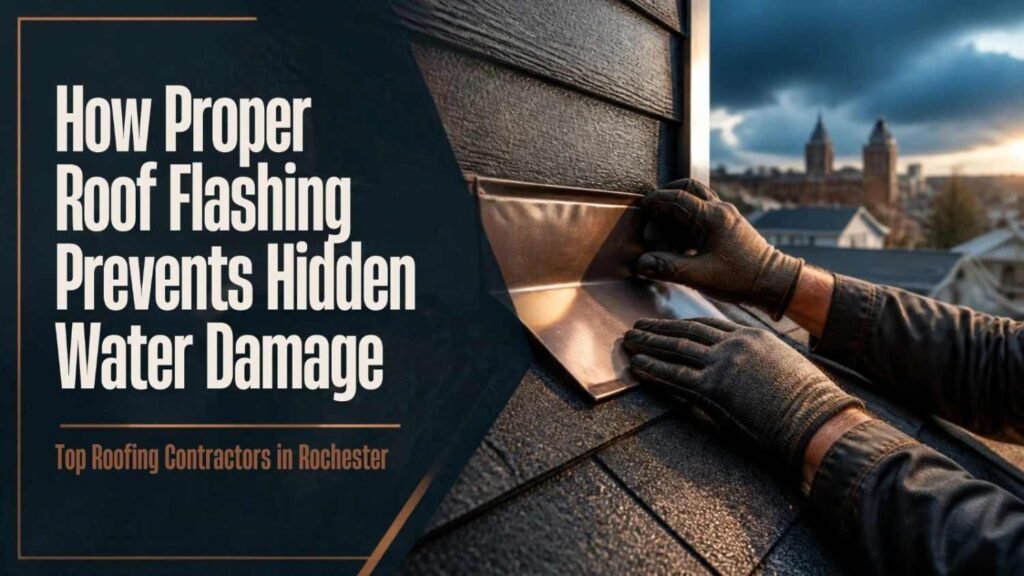
Flashing is used to protect roof-to-wall joints, chimneys, vents, skylights, and other structures.
Water run-off towards these areas is influenced by roof pitch. Flashing therefore needs to be installed according to the roof design and the specific location.
Care should be taken to examine flashing carefully during roof replacement. Just putting new shingles over old flashing won’t solve issues.
It is important to properly install or replace flashing to make it a part of a complete weather-resistant roofing system.
Measuring Roof Pitch Before Installation
Professional roofers can find out the pitch of a roof either from the roof or from the attic. The measurement can be used to help contractors determine the amount of material required and to get a sense of the complexity of the project.
Pitch is typically expressed in terms of rise over run.
For example:
| Roof Pitch | Meaning |
|---|---|
| 3:12 | Rises 3 inches for every 12 inches of run |
| 4:12 | Rises 4 inches for every 12 inches of run |
| 6:12 | Rises 6 inches for every 12 inches of run |
| 8:12 | Rises 8 inches for every 12 inches of run |
| 10:12 | Rises 10 inches for every 12 inches of run |
The higher the first number compared with the second, the steeper the roof.
How Pitch Can Affect Installation Costs
While roof pitch is just one of the many factors that can affect the total cost of a roofing job, it’s a factor that can’t be disregarded.
For a steep roof, additional safety equipment may be needed; it may take longer to work on, and it may involve specialized installation procedures. Labor requirements may also be higher if the roof has multiple slopes or valleys, dormers, or is difficult to access.
The total surface area of the roof, not just the size of the house’s footprint, may be a factor in determining material costs. A low slope must be a much larger area covering the same building than a steep roof.
Homeowners should thus obtain a comprehensive quotation detailing materials, labour, removal, disposal, flashing, ventilation and the rest of the project.
Roof Pitch During Roof Replacement
A roof replacement Rochester NY project is an opportunity to inspect the entire roofing system rather than focusing only on visible shingles.
Contractors can evaluate:
- Roof decking
- Underlayment
- Flashing
- Ventilation
- Gutters
- Valleys
- Chimney areas
- Roof penetrations
- Signs of moisture
- Structural concerns
If the existing pitch is going to cause drainage and/or installation issues, the contractor will be able to discuss whether the issue can be solved with roofing material and drainage improvements, or will require a larger solution.
Why Professional Installation Matters
Roof pitch has an influence on a number of technical aspects of roofing projects. Flaws in the material used, fastening, flashing, or installation of underlayment can make the roofing system less effective.
The best installation is by a professional and should be carried out according to the roofing manufacturers’ instructions and the relevant building codes.
Experienced roofing contractors Rochester NY can evaluate the roof and determine the roof’s pitch; inspect any related components and create an installation plan that is specific to the building.
When hiring a contractor, homeowners should also check them for licensing, insurance, experience, written estimates, warranties, and references.
Preparing for a New Roof
Homeowners can take steps to prepare before the new roof Rochester project begins. They can take a look at the condition of the current roof and discuss the priorities with the contractor.
Useful questions include:
- What is the existing roof pitch?
- Are there different pitches on the same roof?
- Which roofing materials are suitable?
- How will snow and rain be managed?
- Does the attic have adequate ventilation?
- Does the flashing need replacement?
- Are the gutters properly sized and positioned?
- Is the roof decking in good condition?
- What warranty is included?
- How will old roofing materials be removed?
Understanding the responses prior to installation will minimize misunderstandings throughout the project.
Roof Pitch and Ice Dam Prevention
Ice dams can pose a problem during cold weather when snow on a roof surface begins to melt and refreeze at the edge of the roof. In addition to attic insulation and ventilation, outdoor temperatures and heat loss from the building, roof pitch can affect how snow and melted water flow across the roofing surface and can lead to ice dams.
Designing a roofing system to the point where there is a clear path for water to reach the drainage system is an important element of the design. When inspecting a roof, contractors can check for water staining, damaged shingles, ice build-up, and roof edge issues.
If homeowners are considering roof installation Rochester NY, they should also consider the roof’s insulation and ventilation to help control the moisture issues that can arise.
Roof Pitch and Wind Exposure
The slope of the roof may also affect the wind resistance of the roof. But there are different factors that affect the wind resistance of the roofing material, such as the method of fixing it, roof design, the location of the building, and the quality of the installation.
Roofing manufacturers offer instructions for attachment of roofing products to the roof deck. It is important for contractors to pay attention to these requirements, especially in windy regions during the seasons.
It is helpful to look at areas around roof edges, ridges, corners and penetrations when installing a roof on that project because these areas may call for certain installation specifications.
When designing a roof installation, it is important to consider shingles, along with any other visible material, as part of a system and not just a covering.
Roof Deck Condition and Roof Pitch
The roof deck is the basis for many roofing materials. When the decking is damaged, weak or has moisture issues, applying new roofing material over it may not give a long-term solution.
Roof pitch can affect where water travels across the deck and where moisture problems may develop. Areas around valleys, roof penetrations, and low points deserve particular attention.
As part of a roof replacement Rochester NY, sections of the present roofing material may be taken off to examine the roof deck. Where damaged sections are found, they might need to be fixed or replaced prior to the installation of the new roofing system.
This inspection may be useful for detecting issues which might not be easily noticed from the ground.
Roof Pitch and Roof Maintenance
The methods used to maintain the roof will vary with the slope of the roof. A steep slope does not mean that a roof is maintenance-free, so don’t take it for granted.
Regular inspections will help to detect:
- Missing or damaged roofing materials
- Cracked flashing
- Blocked gutters
- Damaged vents
- Moss or debris accumulation
- Signs of water intrusion
- Deteriorated sealants
- Problems around chimneys and skylights
A professional checkup may be particularly beneficial following heavy storms. If minor issues are detected early, they can be prevented from progressing into larger roofing issues.
How Roof Design Affects Material Lifespan
Roofing materials are subjected to the sun, rain, temperature, wind, etc. of the environment. The design of roofs can have an impact on the impact on various parts of the roofing system.
For example, areas that get more direct sunlight can wear differently than areas that are shady. Roof valleys can receive more concentrated flow of water and areas under trees can collect leaves and other debris.
When planning maintenance and material selection, therefore, the pitch, direction, surrounding landscape, and roof configuration should be taken into account.
These conditions can be discovered through a professional roof installation Rochester evaluation before the choice of new materials.
Considering Roof Pitch When Comparing Contractors
Roofing companies are compared by a lot of homeowners by the overall cost of an estimate. Of course, price is crucial, but it shouldn’t be the only factor taken into account.
As you look into the services of roofing contractors Rochester NY, you can ask to see the details of each estimate and determine if they have the same elements.
For example, while one quote might cover the replacement of damaged decking, the new flashing, ventilation improvements, underlayment, and disposal, another quote might only pay for the visible roofing material.
Useful questions include:
- What roofing system is being proposed?
- What underlayment will be used?
- Will existing flashing be replaced?
- How will roof valleys be handled?
- Is attic ventilation included?
- What happens if damaged decking is discovered?
- How will old roofing materials be disposed of?
- What workmanship warranty is provided?
Making comparisons of scope of work can make estimates easier to understand.
Roof Pitch and Long-Term Property Protection
The roof does not only shelter the rooms below. Moisture that penetrates the roof may seep into insulation, ceilings, walls, electrical fixtures, and other building components.
This is why from the onset of a roofing project, one should take into consideration drainage and weather protection.
Roof pitch is only one component of this process, but it aids in the understanding of the interaction between water and snow on the roof surface. If paired with appropriate materials, adequate flashing, proper ventilation and properly installed drainage fixtures, the roof will have a better layer of protection for the building.
Final Thoughts
Roof pitch plays a crucial role in roof design as it affects many aspects of roofing, such as drainage, snow load, compatibility of materials, ventilation, installation, and maintenance. When discussing roofing options with a professional, it’s possible to make it easier by understanding the connection between roof slope and roofing performance for homeowners considering roof installation Rochester NY.
Whether the project involves a complete roof replacement, repairs, or a new roof Rochester, contractors should evaluate the roof as a complete system. The right combination of pitch, roofing materials, underlayment, flashing, ventilation, and drainage can help the roof perform effectively through Rochester’s changing weather conditions.
Frequently Asked Questions
1. What is the most common roof pitch for residential homes?
Residential roofs can have many different pitches. Common designs include moderate slopes such as 4:12, 5:12, and 6:12, but the appropriate pitch depends on the home’s architecture and roofing system.
2. Can the roof pitch be changed during a replacement?
Changing roof pitch is generally a structural project rather than a standard roofing replacement. It may require significant framing changes and professional structural evaluation.
3. Does a steeper roof always last longer?
Not necessarily. Roof lifespan depends on material quality, installation, ventilation, maintenance, weather exposure, drainage, and other factors in addition to pitch.
4. Does roof pitch affect gutter installation?
Yes. Roof pitch can influence how quickly water reaches the gutters and how much runoff a particular roof section produces. Gutter and downspout design should account for the roof’s drainage characteristics.
5. Can solar panels be installed on a steep roof?
Solar panels can be installed on many roof pitches, but the installation method depends on the roof structure, material, orientation, accessibility, and solar mounting system.
6. Does roof pitch affect the amount of roofing material needed?
Yes. A steeper roof generally has more surface area than the building footprint suggests. This can increase the amount of roofing material required compared with a lower-pitched roof of the same footprint.
7. How does roof pitch affect attic space?
A steeper roof can create more vertical space within an attic, although the usable area depends on the roof design, framing, insulation, and interior layout.
8. Can gutters solve drainage problems caused by a low-slope roof?
Gutters can help collect and direct runoff, but they may not solve every drainage issue. Persistent ponding or inadequate slope may require a more detailed assessment of the roofing system.
9. Should roof pitch be checked before choosing shingles?
Yes. Roofing products have specific installation requirements, including minimum slope requirements for some applications. Contractors should confirm that the selected product is appropriate for the roof.
10. Does Rochester weather make roof pitch more important?
Weather is one factor that makes roof design important in Rochester. Rain, snow, ice, wind, and freeze-thaw conditions can affect roofing performance, so drainage and proper installation should receive careful attention.