

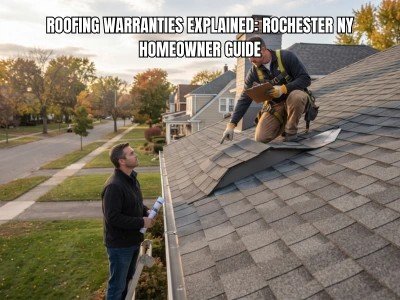
Roofing Warranties Explained: Rochester NY Homeowner Guide helps homeowners understand the protection that comes with a new or replacement roof. Choosing quality roofing materials is important, but understanding your roofing warranty in Rochester NY is equally essential. A warranty can provide valuable financial protection when material defects or installation problems occur. However, coverage varies widely between manufacturers and roofing contractors, so homeowners need to understand exactly what is included before signing a roofing contract.
The Rochester houses are under attack from snow, ice, rain, wind, freezing temperatures, and seasonal temperature variations. The conditions make it particularly critical that these products are installed correctly and that reliable warranty protection is offered. Here you will learn about the different kinds of roofing warranties, typical roofing warranty exclusions, typical warranty durations, transferability of roofing warranties, and what Rochester homeowners need to know when comparing roofing contractors.
What Is a Roofing Warranty?
A roofing warranty is a written contract that clarifies what safeguards are offered when certain issues occur following the installation of a roof. Roofing warranties do not mean that every future roofing problem will be repaired for free. Each warranty has specific conditions, limitations, exclusions, and coverage periods.
Protection can be provided by:
- The roofing material manufacturer
- The roofing contractor
- Both the manufacturer and contractor
- An enhanced manufacturer warranty program
Having an understanding of who is responsible for what kind of problem can make an upcoming claim much simpler.
Why Roofing Warranties Matter in Rochester, NY
Roofs in Rochester must contend with a variety of weather conditions, which can cause stress to the roof. Roofing materials can be susceptible to snow buildup, freezing temperatures, spring rain, summer heat, and freeze-thaw cycles.
Some roofing issues to look out for are:
- Shingle deterioration
- Moisture infiltration
- Flashing damage
- Ice-related problems
- Loose roofing materials
- Ventilation issues
- Sealant deterioration
While these issues can’t be avoided with a warranty, the right coverage will help keep homeowners safe from specific issues. Homeowners should look at more than the cost of the roof installation when comparing quotes from roofing companies. There are a number of factors to consider when it comes to the long-term value of a roofing project, including the quality of the materials, workmanship, experience of the contractors, and the warranties they offer.
Three Main Types of Roofing Warranties
Understanding the different types of warranties is the first step toward choosing suitable protection.
1. Manufacturer Material Warranty
Typically, manufacturers warrant their roofing products for defects that qualify under their warranty terms. This usually refers to problems with the shingles themselves in the case of an asphalt shingle roof. Other roofing systems may offer protection for other approved components as well.
Generally, poor installation is not covered by a manufacturer warranty. When shingles fail due to faulty installation or the nails used to install shingles, the manufacturer might decide that the failure was not due to a product problem but was instead caused by workmanship. Why homeowners can’t just depend on manufacturer coverage.
2. Contractor Workmanship Warranty
The roofing contractor provides a workmanship warranty, which typically covers installation-related defects.
A written agreement may cover the following types of problems:
- Incorrect shingle installation
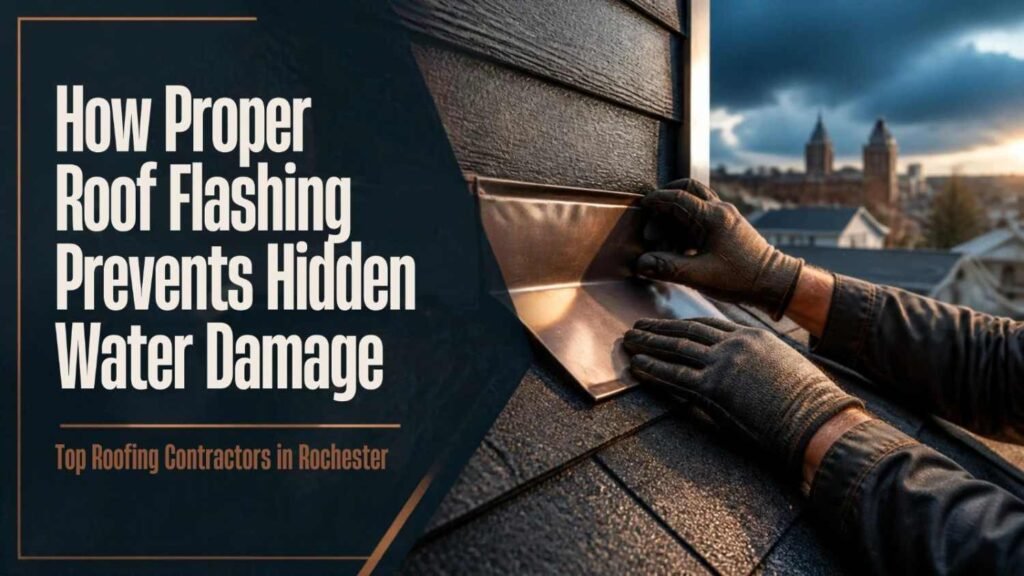
- Improper flashing
- Installation-related leaks
- Incorrect fastening
- Poor sealing around roof penetrations
Some contractors offer different workmanship warranties. When choosing a roofing contractor, you should first determine what kinds of repairs are covered and how long the workmanship warranty will last.
3. Enhanced Roofing System Warranty
Some manufacturers offer extended warranties for customers who buy high-quality roofing systems from contractors who are involved in those manufacturers’ programs. These warranties may be broader than material warranties.
Requirements may include:
- Using qualifying roofing products
- Hiring an approved contractor
- Following manufacturer installation standards
- Installing compatible roofing components
- Properly registering the warranty
Never take the warranty for granted because it is just a duration advertised rather than terms.
Material Warranty vs. Workmanship Warranty
The easiest way to tell the difference is to think about what led to the issue.
| Warranty | Main Coverage | Provider |
| Material Warranty | Qualifying manufacturing defects | Manufacturer |
| Workmanship Warranty | Qualifying installation problems | Roofing contractor |
| Enhanced Warranty | Broader roofing system protection | Manufacturer/qualified contractor |
The expanded warranties available for the roofing system will also be included under the manufacturer/qualified contractor. The expanded roofing system warranties will also be available through the manufacturer/qualified contractor.
An abnormal shingle problem due to a known manufacturing defect, for instance, could be under material coverage. But if the leak occurs because of improper flashing installation, it could be considered workmanship protection.
What Does a Roofing Warranty Typically Cover?
Coverage varies by manufacturer, roofing system, contractor, and warranty.
A roofing warranty in Rochester NY can provide coverage for:
- Defective shingles
- Replacement roofing materials
- Certain roofing components
- Covered installation problems
- Labor under qualifying enhanced warranties
Some warranties may cover replacement materials without the cost of installation. This distinction can have a lot to do with the homeowner’s pocket money. When taking a warranty, ask whether it includes materials, labor, tear-off, disposal, and installation.
What Roofing Warranties Usually Do Not Cover
It is just as critical to understand the exclusions as it is to understand the coverage.
Severe Weather Damage
If your roof has been damaged by hail, falling trees, heavy winds or large storms, it might not be covered by a typical roofing warranty. In some cases, homeowners’ insurance would apply instead of the above.
Poor Maintenance
It can be easy to overlook issues on the roof, and let the damage progress to larger levels. Damage due to poor maintenance may not be covered by some warranties.
Unauthorized Modifications
Any other equipment mounted on the roof, such as solar panels, satellite systems, skylights, etc., may impact warranty coverage if not installed in accordance with the required procedure.
Structural Problems
Roofing warranties may exclude problems that are caused by structural movement, settlement, or problems with the underlying roof deck.
Ventilation Problems
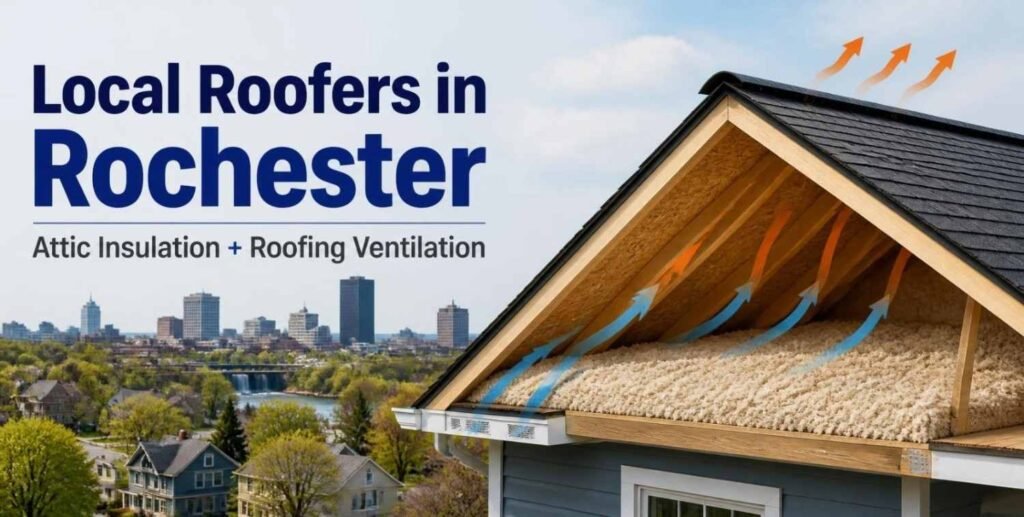
The lack of adequate attic ventilation can lead to excessive heat and moisture accumulation in the attic. Ventilation requirements may be restricted by the manufacturer for lack of coverage.
Understanding Roofing Warranty Length
For homeowners, these commonly come up terms are:
- 20-year warranty
- 30-year warranty
- 50-year warranty
- Limited lifetime warranty
Not all the most thorough warranties are the best. Many warranties offer better coverage for a limited time and then switch to prorated coverage.
Before selecting a warranty, determine:
- How long the warranty remains active
- How long full coverage lasts
- When prorated coverage begins
- Which expenses are included
- What exclusions apply
The facts make a more complete picture than a stated warranty period.
What Does Prorated Warranty Coverage Mean?
The warranty benefits may be reduced as the roof ages; this is referred to as prorating.
A qualifying defect may be better covered during the early years. Later, the manufacturer may only cover a portion of the replacement material costs.
The homeowner could be liable for costs including:
- Labor
- Remaining material costs
- Tear-off
- Disposal
- Roofing accessories
Homeowners can calculate the true long-term worth of a home warranty by understanding the proration schedule.
Are Roofing Warranties Transferable?
Transferability may be significant for homeowners who are thinking about selling their home. Some roofing warranties are transferable to the next homeowner, but others have limitations.
Check:
- Whether transfer is permitted
- Transfer deadlines
- Registration requirements
- Possible transfer fees
- Whether coverage changes after transfer
A transferable warranty might offer extra comfort to future home purchasers.
How Installation Quality Affects Your Warranty
No matter how good a roofing material is, it can be substandard if it is not installed properly.
Generally, manufacturers set parameters for installation that include:
- Nail placement
- Fastener quantity
- Roof deck preparation
- Underlayment
- Flashing
- Ventilation
- Starter materials
- Ridge components
Non-compliance may compromise roof function and warranty. Valleys, chimneys, skylights, roof-wall joints, eaves and other locations where snow and moisture can collect are important features to consider for Rochester homes.
Rochester Winters and Roofing Warranty Protection
Winters in Rochester add extra challenges to residential roofs. One of the worries is ice dams. Loss of heat from the attic can cause parts of the roof to heat up and melt snow. The water flows back to cooler edges of the roof and refreezes.
As ice builds up, more water may not drain as well and can even flow under roofing material. As ice dam issues may include weather, insulation, ventilation, and building aspects, homeowners shouldn’t automatically presume that any damage caused is covered under a standard roofing warranty. Inquire with your contractor regarding winter protection and read the warranty exclusions thoroughly.
Roofing Warranty vs. Homeowners Insurance
There are differences between roofing warranties and homeowners insurance. Usually, a roofing warranty will cover specific types of material or workmanship problems. If the sudden or accidental damage to the property is covered under the homeowner’s insurance policy, it may cover these damages.
A roofing warranty may apply to a manufacturing defect, for instance, or a storm that damages the roof due to a fallen tree could be insurance-related. Homeowners need to keep both their roof warranties and insurance records.
How to Protect Your Roofing Warranty
There are a number of easy things homeowners can do to help preserve their warranty.
Keep Your Documents
Maintain copies of:
- Roofing contract
- Final invoice
- Material information
- Warranty certificate
- Registration confirmation
- Contractor information
- Inspection reports
- Repair records
These documents will be easier to locate years later if digital copies are kept.
Complete Warranty Registration
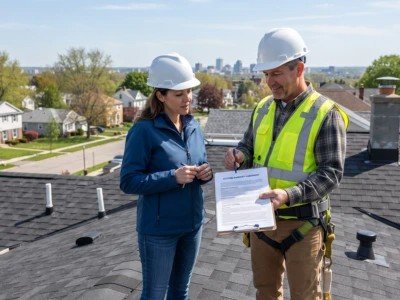
Manufacturer warranties may include a registration requirement. Inquire whether it is your responsibility or the contractor’s to complete this step, and get confirmation once it’s completed.
Schedule Roof Inspections
It is important to have small issues addressed before they make for a costly repair through periodic professional inspection.
Roofers can inspect for damaged shingles, leaking or failing flashing, water problems, ventilation, and failing sealants.
Address Problems Quickly
When you observe missing shingles, leaks, stains, or other unusual roof conditions, note the problem and reach out to an experienced roofing professional. Waiting can allow minor damage to spread.
How to File a Roofing Warranty Claim
If you think your roof has a covered issue, first make sure you understand whether it is a material or setup issue.
It can involve:
- Photographing the problem
- Finding your roofing contract and warranty
- Contacting the roofing contractor
- Identifying whether the issue involves materials or workmanship
- Following manufacturer claim procedures when required
- Providing proof of purchase
- Scheduling an inspection
- Waiting for the warranty determination
Record all the emergency repairs needed to avoid further damage to the property.
Questions to Ask Before Accepting a Roofing Warranty
When considering entering into a roofing agreement, ask:
Who gives the guarantee of the material?
- Who provides the material warranty?
- What exactly is covered?
- What exclusions apply?
- Is there a workmanship warranty?
- How long does workmanship coverage last?
- Is labor included?
- Is tear-off or disposal included?
- When does coverage become prorated?
- Is the warranty transferable?
- Is registration required?
- Who handles warranty registration?
- Are inspections required?
- What is the warranty claim process?
Having them sent in writing will avoid future confusion.
Common Roofing Warranty Mistakes
Homeowners should steer clear of a few common mistakes regarding warranty protection.
Choosing Based Only on Warranty Length
The term “lifetime” isn’t necessarily synonymous with a “better” warranty. The details of coverage and the types of exclusions are important rather than the numbers.
Ignoring Workmanship Coverage
While a strong material warranty does not imply the installation is good, it does mean the material is guaranteed. Don’t forget to compare the workmanship protection, too.
Losing Warranty Documents
Store contracts, invoices, certificates, registration materials, and other material details in a secure location.
Assuming Every Leak Is Covered
Leaks may occur due to land disturbance, installation, structural defects, maintenance and material defects caused by storms. Coverage is dependent on the cause.
Forgetting Warranty Registration
Be sure to register if necessary within the allotted time.
Choosing the Right Roofing Warranty in Rochester NY
When comparing roofing contractors, evaluate warranty protection alongside price and materials.
Consider:
- Material protection: What manufacturing defects are covered?
- Workmanship coverage: How long does the contractor stand behind the installation?
- Labor: Will the warranty pay installation labor for a covered problem?
- Proration: When does coverage begin decreasing?
- Transferability: Can coverage transfer if you sell your home?
- Exclusions: Which situations are specifically excluded?
A good roofing warranty in Rochester NY should include easy-to-understand written terms that are understood by homeowners before the roofing work starts.
Final Thoughts
The roof is a major investment in the long-term preservation, value, and aesthetics of your Rochester home. Warranty protection should, therefore, be a key factor in the roofing discussion and not an add-on.
When evaluating a roofing warranty in Rochester NY, do not focus only on impressive terms such as “50-year” or “lifetime.” Look closely at material coverage, workmanship protection, labor costs, proration, exclusions, transferability, and registration requirements.
The use of high-quality roofing products coupled with professional installation, regular maintenance and a well-documented warranty also offers better long-term protection and confidence to homeowners in the investment they make in their roof.
Frequently Asked Questions
1. How long does a roofing warranty last?
Warranty periods vary by manufacturer, product, and contractor. Some last several decades, while others are marketed as limited lifetime warranties. Always check how long full coverage lasts before proration begins.
2. What is the difference between a material and workmanship warranty?
A material warranty generally covers qualifying manufacturing defects, while a workmanship warranty addresses covered problems caused by installation errors.
3. Does a roofing warranty cover leaks?
It depends on the cause. A leak caused by a covered workmanship problem may qualify, while leaks caused by storms, poor maintenance, or excluded conditions may not.
4. Does a roofing warranty cover storm damage?
Standard warranties generally focus on defined material or workmanship defects. Certain storm-related damage may instead fall under homeowners insurance.
5. Are roofing warranties transferable?
Some warranties are transferable, but deadlines, fees, registration requirements, or other restrictions may apply.
6. What does a lifetime roofing warranty mean?
A limited lifetime warranty does not necessarily provide unlimited free roof replacement. Coverage can include restrictions, exclusions, and prorated periods.
7. Can poor ventilation affect my roof warranty?
Potentially. Manufacturers may require proper attic ventilation as part of their roofing system specifications.
8. Do roofing warranties need to be registered?
Some warranties require registration, particularly enhanced manufacturer warranties. Confirm the requirements after installation.
9. Can a roofing warranty become void?
Certain unauthorized modifications, installation problems, or failure to meet warranty requirements may affect coverage. Check the written terms for specific conditions.
10. What should Rochester homeowners compare in roofing warranties?
Compare material coverage, workmanship protection, labor, proration, exclusions, transferability, registration requirements, and claim procedures rather than focusing only on the advertised warranty duration.