

The blog explains the Roof Inspection Checklist for Rochester, NY Homeowners. Living in Rochester, NY is living through all four seasons. We experience beautiful autumns, warm summers, and especially strong, intense winters due to the lake-effect. This climate is great for the people who live here, but it’s pretty harsh on residential roofing systems.
Your roof sees heavy snow, ice dams, spring thaws, and strong winds off of Lake Ontario all year long. If neglected, it can result in devastating structural damage, ruined insulation, and mold growth within your home.
These elements can be best combated through regular maintenance. This complete homeowner’s guide and roof inspection Rochester, NY checklist will aid you with spotting minor problems before they become costly and stressful roofing emergencies.
Why Rochester’s Weather Demands Extra Vigilance
First, it is crucial to grasp the rationale behind the slightly different approach to roof inspection Rochester, NY, which has grown from the colder climate where the event takes place. Our houses are subjected to special environmental stresses:
Lake effect Snow: Rochester varies from the normal amount of approximately 100 inches a year, with the lake-effect snow being a factor. The weight of snow on your roof puts tremendous strain on your roof’s structural integrity.
The Freeze-Thaw Cycle: Temperatures are often above and below freezing in late winter and early spring. Snow on the roof melts and flows down to the colder eaves, where it refreezes, causing ice dams that push water up under the shingles.
High winds: During the spring and fall months, high windstorms off the lake can blow over, crack, or break off the asphalt shingles completely.
Part 1: The Exterior Ground-Level Visual Inspection
A visual inspection of the exterior, ground level of the building was performed. Exterior Ground Level Visual Inspection was conducted.
Do not require any ladders to begin your inspection. In fact, for safety reasons, we strongly recommend that you make your initial check on the ground with a good pair of binoculars! Go around your property completely and inspect the following problem areas.
Shingle Condition
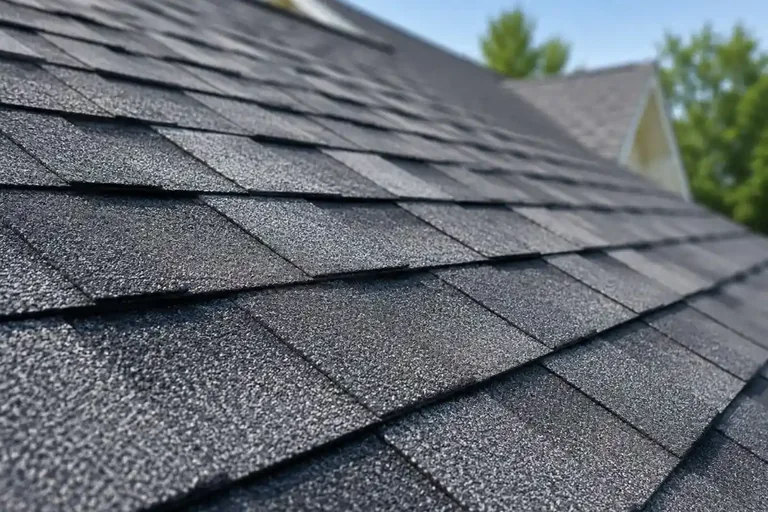
Your roof’s main barrier against water is the asphalt shingle. Inspect roof slopes for any noticeable abnormalities.
- Missing or Displaced Shingles: High winds can blow off missing or weakened shingles, exposing the entire wooden deck to rain and snow.
- Curling or Cupping Edges: Shingles that are curling up at the edges or cupping in the middle are a sign of aged shingles or poor attic ventilation. They are brittle, and prone to being blown off in the next storm.
- Cracked Shingles: Shingles can crack or split due to thermal shock (shock from wide temperature changes often found in Western New York) and allow moisture to enter the shingles immediately.
Roof Line Straightness
Take a look at the ridge line and the flat planes of the roof by stepping back from your house.
- Sagging Sections: If there are any dips, bows or sagging between rafters or along the ridge, structural damage is present. Usually results from water softening of sheathing or from past structural stresses and strains caused by heavy winter snow loads. If you notice some sagging, call in the professionals right away.
Debris Accumulation
- Leaves and Twigs: Stacks of organic waste hold water up against the shingles and promote rot and mold.
- Overhanging Tree Branches: Branches that touch your roof are like a sandblaster, removing protective granules. They also make it easy for pests such as squirrels and raccoons to damage your roof lines.
Part 2: The Eaves, Gutters, and Downspouts
Your gutter system must drain away from your foundation so that it can handle thousands of gallons of water. If it’s plugged with debris or damaged by physical damage, water will back up and rot your roof deck.
Gutter Cleanliness and Granule Loss
- Clogs: Look for packed leaves, pine needles, and mud. Dirty gutters allow water to pour out, which will wreck your fascia boards and siding.
- Shingle Granules: Look inside your gutters for an accumulation of sand-like granules. Shingles shed these protective ceramic granules as they reach the end of their lifespan. If your gutters are filled with them, your shingles are losing their UV protection and need replacement soon.
Physical Alignment and Security
- Heavy ice loads in Rochester during winter cause gutter hangers to bend and can cause the troughs to pull away from the fascia board.
- During a rainstorm, check for any seams in your gutters that are dripping water or rusting. These are called joint leaks.
The Fascia and Soffit
Look for water stains and rot under and behind the wood boards behind your gutters (fascia) and under the overhang (soffit). Other common indicators of water backed up under shingles include peeling paint, water stains, or soft, rotting wood.
Part 3: Roof Penetrations, Flashing, and Valleys
The most susceptible areas of your entire home are the areas where something has penetrated the roof plane or where two roof planes come together. The vast majority of household leaks start here.
Flashing Integrity
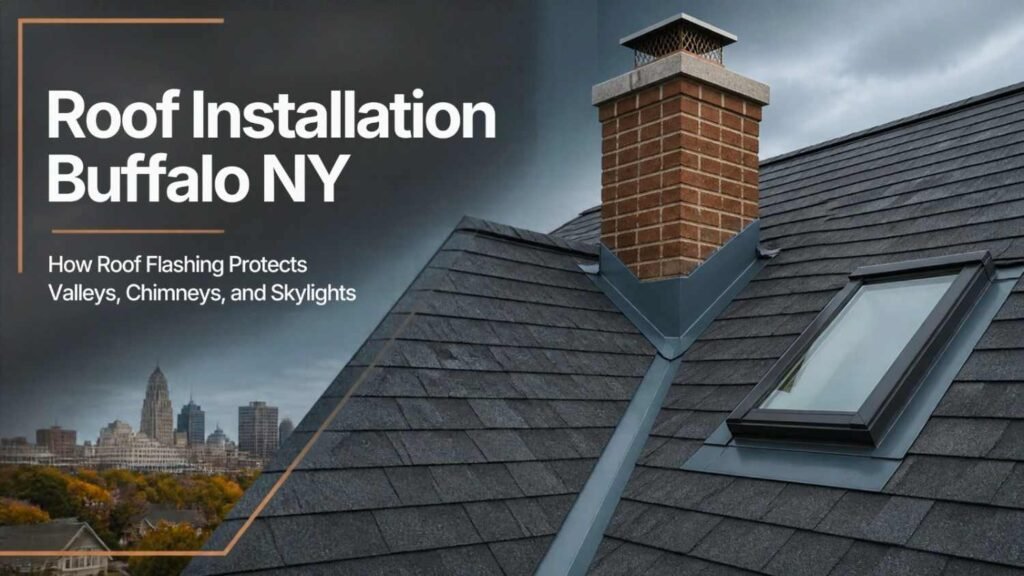
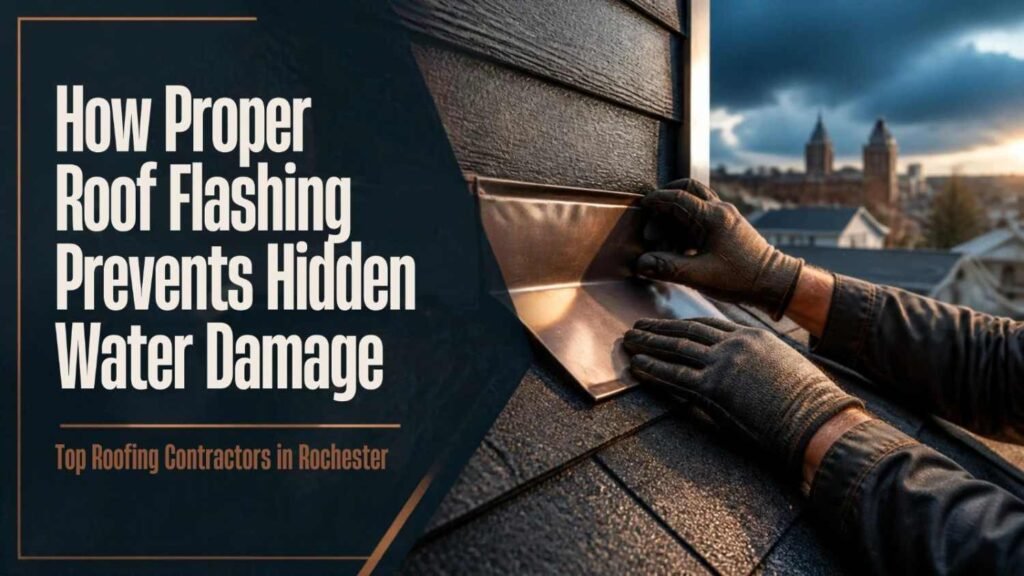
Flashing is thin sheets of metal used to pull water away from any joints. Inspect chimneys, dormers, and skylights for flashing.
- Cracked, rusting, or missing flashing allows water to seep through the framing of your home, leading to rust and corrosion.
- Cracked Caulk or Roofing Cement: Tar or caulk are many DIY solutions, but they crack and dry out from the harsh UV rays and freezing winters in Western New York.
Roof Valleys
Valleys are the V-shaped areas between two roof slopes, known as valleys. They are subject to wear and tear more rapidly due to the large amounts of water runoff. Make sure that they are devoid of debris and that the lining of the valley is intact.
Pipe Boots and Vents
Cracked Rubber Boots: Plumbing vent pipes are extensions from the roof and covered with rubber or plastic boots. Over the years, these boots lose their integrity and crack, and leak slowly down the pipe into the walls.
Part 4: The Internal Attic Inspection
You are only halfway done with a genuine roof inspection Rochester, NY when you don’t get inside your attic. Your attic is an early warning system: When problems with your home’s structure or water leakages occur, they are most likely to be visible in your attic before in your main living areas.
Do this on a sunny day, for safety, and take a powerful flashlight.
Signs of Active or Past Leaks
- Inspect for Dark Stains and Water Rings: Under the roof sheathing around the chimney and vent pipes. If there are dark rings or damp wood, it means that it’s a live leak.
- Water dripping from the roof will accumulate in your fiberglass or cellulose floor insulation, destroying its insulating properties and leaving stains.
Structural Integrity
- Rafter Condition: Inspect the wooden beams supporting your roof. Look for deep cracks, structural twisting, or water rot.
- Light Leaks: Turn off your flashlight and look around the attic space. If you can see points of daylight peeking through the roof boards (other than designated vents), water can get in, too.
Ventilation and Temperature Control
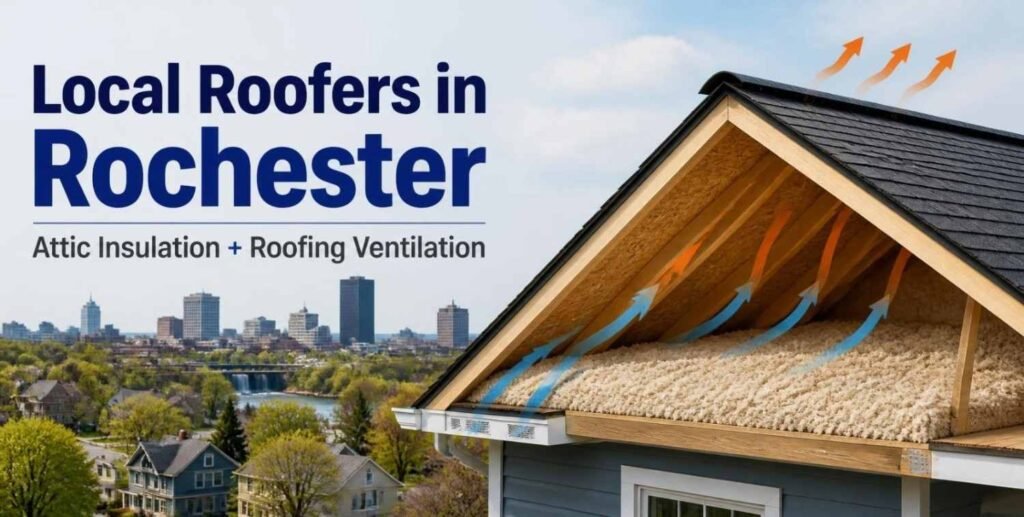
One of the top causes of roof failure in New York is poor attic ventilation.
- Stuffy, Superheated Air: If your attic gets hot as toast in the summertime, chances are that your venting is clogged. This will bake the shingles from the inside out and will cause them to fail young.
- Mold and Mildew: During winter, warm, humid air builds up in your home as a result of inadequate ventilation. As soon as it comes into contact with the cold roof deck, it turns into water, causing dark mold to form all over your rafters.
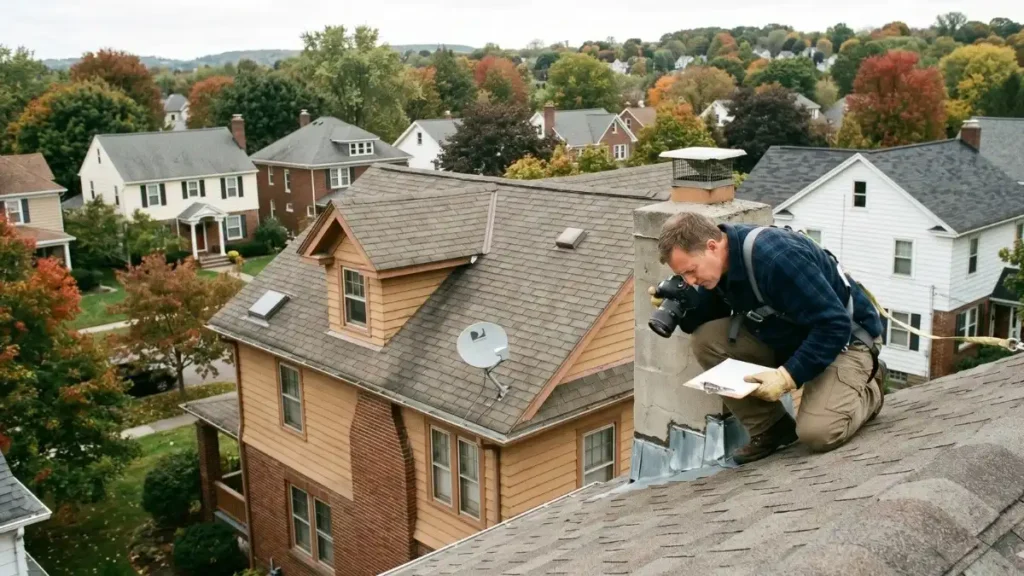
The Rochester Homeowner’s Quick-Reference Checklist
Help protect your roof this spring and fall by printing or saving this scannable information.
- Exterior Shingles: Inspect for missing, curling, cupping, or split asphalt shingles.
- Roof Lines: Look for any visible sagging along the ridge line or valleys.
- Trees: Cut back branches that are within 6 feet of your roof plane.
- Gutters: Clear all debris and check for heavy shingle granule accumulation.
- Inspect Fascia & Soffits for soft wood, peeling paint, and damp water stains.
- Metal Flashing: Check that metal flashing around chimneys and skylights is free from rust and secure.
- Plumbing Boots: Check rubber seals around vent pipes for dry rot and cracking.
- Attic Sheathing: Look for dark rings around the top of the roof, wet wood, or mold.
- Attic Insulation: Make sure insulation has no moisture and is not obstructing the soffit intake vents.
- Daylight Test: Check for any pinpoint lighting from the outside of the roof deck.
When to Call a Professional
A visual check on your home is a great way to monitor your home’s wellness, but it cannot be done by the average homeowner, only by a licensed roofing contractor. You should call a certified professional immediately if you discover:
- Any structural sagging or bowing.
- Widespread shingle damage across multiple slopes.
- Active water leaks or extensive mold colonies in the attic.
- Persistent ice dams every winter.
With the help of specialized equipment, such as a thermal imaging camera, a qualified roofing crew can find moisture buildup behind walls without any of the drywall being removed.
Once a year, twice a year, spend an hour running down this list, and you’ll have a much longer-lasting roof. Preventing these minor roofing repairs can keep your house warm, dry, and safe for years into the future until you clear the dust and dirt of the winter season that is coming to Monroe County.
Frequently Asked Questions
1. How often should I get a roof inspection in Rochester, NY?
You should conduct a visual inspection at least twice a year—once in the spring (after the harsh winter snow thaws) and once in the late autumn (before the snow hits). It is also highly recommended to schedule a professional inspection every 3 to 5 years, or immediately following a severe wind or hail storm.
2. What are the most common causes of roof damage in Western New York?
The primary culprits are heavy snow accumulation, severe freeze-thaw cycles that create ice dams, and high winds blowing off Lake Ontario. Additionally, trapped attic heat during humid summer months can bake shingles from the inside out if the roof is not properly ventilated.
3. How much snow can a Rochester roof safely handle?
Most modern residential roofs in Monroe County are built to handle up to 20 to 40 pounds per square foot of snow before experiencing structural stress. Fresh snow is light, but packed, icy lake-effect snow gets incredibly heavy very quickly. If you notice interior doors sticking or hear creaking sounds after a major blizzard, your roof load may be dangerously high.
4. What is an ice dam, and how do I prevent it?
An ice dam occurs when warm air leaks from your living space into your attic, melting the snow on the upper parts of your roof. The runoff trickles down to the colder eaves and refreezes, creating a block of ice that traps water behind it. This trapped water forces its way under your shingles and leaks into your walls. The best prevention is a combination of proper attic insulation and adequate ventilation.
5. Should I rake snow off my roof in the winter?
Only if it is necessary due to extreme accumulation, and only if you can do so safely from the ground using a specialized telescopic roof rake. Never climb onto a snowy, icy roof yourself, and never scrape all the way down to the shingles, as you can easily tear off the protective ceramic granules.
6. My roof is missing just a few shingles. Do I need a full replacement?
Not necessarily. If your roof is relatively young (under 15 years old) and the surrounding shingles are in healthy, pliable condition, a local contractor can easily perform a localized repair. However, if the shingles are brittle, curling, or losing granules, it means the roof has reached the end of its lifespan, and a full replacement is safer.
7. How long does an asphalt shingle roof last in Rochester’s climate?
While architectural asphalt shingles are often rated for 25 to 30 years, Rochester’s intense weather extremes typically reduce that real-world lifespan to 15 to 22 years. Regular inspections and prompt minor repairs are key to pushing that lifespan toward the upper limit.
8. What are the signs of poor attic ventilation?
The most obvious warning signs are an incredibly hot attic in the summer, frost or ice forming on the underside of your roof sheathing during winter, mold or mildew growth on your attic rafters, and premature curling or cracking of your shingles.
9. Can I do a roof inspection myself, or should I hire a pro?
You can easily perform a preliminary visual inspection yourself from the ground using binoculars or by checking your attic space for leaks. However, a DIY inspection cannot replace a professional one. Licensed roofing contractors know exactly what subtle warning signs to look for, can safely navigate a steep pitch, and use specialized tools like thermal imaging cameras to spot hidden moisture.
10. Does homeowners’ insurance cover roof repairs or replacement?
In most cases, homeowners’ insurance covers roof damage caused by sudden, accidental perils such as a tree limb falling during a storm, severe hail damage, or shingles ripped away by high winds. However, insurance policies generally do not cover roof failure caused by general wear and tear, age, or a lack of routine homeowner maintenance.