

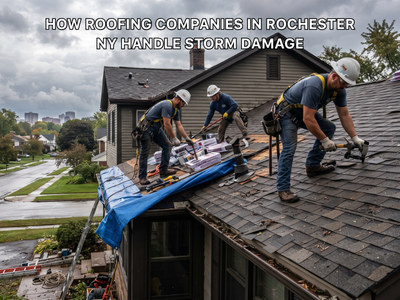
How Roofing Companies in Rochester NY Handle Storm Damage is an important topic for homeowners dealing with wind, hail, heavy rain, falling branches, snow, or other severe weather. When a storm damages a roof, the problem may not always be obvious from the ground. Missing shingles, loosened flashing, damaged gutters, punctures, hidden leaks, and moisture intrusion can all develop after a severe weather event. Working with professionals experienced in storm damage roofing Rochester NY can help homeowners identify problems early and decide what repairs may be needed.
Throughout the year, Rochester homes are exposed to a variety of weather conditions that affect their structural integrity, including strong winds, winter storms, freezing temperatures, heavy snowfall, rain, and freeze-thaw cycles. Roofing systems are continually exposed to these conditions, and storm damage can occur on both older and newer systems.
This guide outlines the steps roofing companies Rochester NY take to assess storm damage, offer temporary coverage, record the damage, offer recommendations, navigate insurance coverage, and help homeowners repair their roofs after a storm.
Why Storm Damage Can Be Difficult to Identify
There is some roof damage that is easy to notice. A big limb could be on the roof, or multiple shingles may have blown off because of strong winds. Other problems may be much more subtle and vague.
A storm can come along and dislodge but not completely remove shingles. A chimney might slightly move around when it is flashing. A roofing material’s surface may be weakened by hail, but it may not cause a leak in the roof until later.
Damage can also be caused in inaccessible areas from ground level. The following may be symptoms of storm damage:
- Missing shingles
- Cracked shingles
- Lifted or loose shingles
- Damaged flashing
- Dented gutters
- Roof punctures
- Damaged vents
- Water stains
- Ceiling discoloration
- Attic moisture
- Granule loss
- Broken branches on the roof
- Damaged siding around roof edges
After a big storm, a professional roof inspection may be helpful because some issues don’t become evident until water penetrates into the building.
Rochester Weather and Roofing Damage
There are multiple weather conditions that can strain home roofing systems in Rochester.
Strong Winds
Shingles can be blown off, seals can be broken, and materials under the ridge can be pulled up, exposing areas under the roof covering. If a shingle stays in place, it can become more fragile over time.
Hail
Asphalt shingles, metal parts, gutters, vents, and other exterior materials may be damaged by hail. Damage can be seen as dents, surface marks, or granule loss.
Heavy Rain
Once the roof is wet, it may show existing leaks in roof flashing, valleys, vents, or roof penetrations. If storm winds have already compromised materials, water can more easily penetrate the roofing system.
Snow and Ice
Winter storms can cause high roof loads and ice accumulations. When snow accumulates, damage can be concealed until the temperatures rise and snow starts to melt.
Falling Trees and Branches
Branches can rub shingles, tear gutters, or even pierce roofing materials. Trees can have a huge impact on a structure if they fall on it. A company experienced in storm damage roofing Rochester NY will usually consider the type of storm when inspecting the roof.
What Homeowners Should Do Immediately After a Storm
Safety should come first. Homeowners should avoid climbing onto a wet, icy, or damaged roof. Instead, inspect the property from a safe location.
Look for:
- Missing roofing materials
- Fallen branches
- Gutter damage
- Visible holes
- Water inside the home
- Ceiling stains
- Debris around the property
If it is safe to do so, take photos. When water is entering the house, move valuables away from the water and, if possible, catch dripping water in containers. Do not make major permanent repairs until the roof has been well evaluated. Sometimes water intrusion needs to be limited in order to provide emergency temporary protection.
Step 1: Initial Roof Inspection
A roofing company’s first step is to inspect the property. This is to catch visible and invisible damage caused by storms.
During a professional inspection, the following may be inspected:
- Roof surface
- Shingles
- Ridge caps
- Flashing
- Chimneys
- Skylights
- Roof vents
- Gutters
- Downspouts
- Fascia
- Soffits
- Attic areas
- Interior ceilings
Roofers can also examine the surrounding siding and other exterior elements, as storm patterns can help them determine the area of greatest impact. The inspection should determine whether the issue is more of a patch or a larger area of the roof.
Step 2: Identifying Emergency Problems
There is some storm damage that needs attention right away.
Examples include:
- Active water leaks
- Large openings in the roof
- Fallen tree damage
- Loose roofing materials
- Structural concerns
- Exposed roof decking
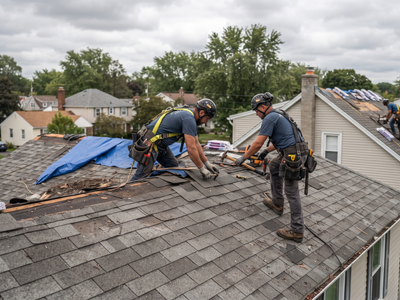
Temporary protection may be provided by roofers prior to actual repairs. Temporary covering of an exposed area or installation of a tarp. Emergency work is intended to minimize further loss of property until the weather improves or permanent construction materials can be made available. It is important for homeowners to keep in mind that temporary roof repairs are not the same as comprehensive roof restoration. A repair should still be scheduled for follow-up.
Step 3: Damaged Documentation
It is important to have proper documentation when working on storm damage. The roofing contractors can take photos of areas with ice or snow accumulations and document their findings during the inspection.
Documentation can include:
- Missing shingles
- Wind damage
- Hail marks
- Damaged flashing
- Punctures
- Interior water stains
- Attic moisture
- Gutter damage
- Tree impact
These records will tell homeowners about the roof’s condition. If the insurance claim is related to the situation, they might be helpful too. The best roofing company will provide details about the roof’s damage rather than just telling the homeowner the roof needs to be replaced.
Step 4: Determining Whether Repair or Replacement Is Needed
Not all rooftop damage from storms requires a total roof replacement. The solution will vary based on the extent of damage, the roof’s age, the condition of the roof material, and the location of the damaged areas.
Repair May Be Appropriate When:
- Damage is limited to a small section
- Only a few shingles are affected
- Flashing needs repair
- The roof is otherwise in good condition
- Replacement materials can reasonably match the existing roof
Replacement May Be Considered When:
- Damage affects large areas
- Many shingles are missing or damaged
- The roof was already near the end of its useful life
- Multiple sections have serious problems
- The roof deck is damaged
- Repairs would not provide a practical long-term solution
The reasons for the recommendation should be explained by a professional roofer.
Wind Damage and Roofing Repairs
The other most frequent storm-related roofing issues are caused by wind. Strong gusts may undercut shingle edges and raise shingles. A shingle doesn’t have to rip off altogether for it to be ruined. With the adhesive seal broken, the shingle is more susceptible to weather effects in the future.
Roofers may inspect:
- Shingle edges
- Ridge areas
- Roof corners
- Eaves
- Flashing
- Areas with prevailing winds
If any shingles are damaged, they may need to be replaced individually or in groups.
How Roofers Inspect Hail Damage
It may be hard for homeowners to detect hail damage. The size, density, and direction of hail all play a role in hail damage.
These are some of the jobs roofers might search for:
- Circular marks
- Granule loss
- Soft spots
- Surface bruising
- Dented metal
- Damaged vents
- Gutter impacts
Just because there’s a mark on a roof doesn’t mean it’s storm damage. These can sometimes resemble normal aging, foot traffic, manufacturing patterns, and past repairs. That is why a professional inspection is necessary prior to making repairs.
Heavy Rain and Hidden Roof Leaks
Rain can seep in through extremely small cracks.
Leaks can occur around:
- Chimneys
- Skylights
- Roof vents
- Valleys
- Flashing
- Pipe penetrations
- Damaged shingles
However, water does not necessarily fall straight down from the point of entry. It can creep across roof decking, rafters, or insulation and then into the house. In this case, roofing contractors might need to trace the source of the moisture. If the roof leak is still present, the problem can’t be fixed by repairing only the visible stain on the ceiling.
Tree and Branch Damage
Falling branches can result in minor surface damage or serious roof damage. A small branch can rub against shingles or break gutters.
A bigger-sized tree branch may:
- Break shingles
- Puncture decking
- Damage rafters
- Break gutters
- Damage flashing
- Create structural movement
If a large tree strikes the roof, homeowners should not enter areas where structural damage may have occurred. An assessment by a professional may be required prior to the start of repairs.
Temporary Roof Tarping
When damaged by storms, a section of the roof may be left uncovered, and temporary tarping is often necessary. A tarp can be used to minimize water from entering until permanent work is completed.
Tarping is used frequently when:
- Shingles are missing
- Tree damage created an opening
- Roof decking is exposed
- Rain is expected before repairs can begin
Temporary protection should be set up securely. If the tarp is not installed properly, it may not hold up in wind or rain. Homeowners should also keep in mind that the tarping is a temporary solution.
Storm Damage and Roofing Insurance Claims
Depending on the circumstances and the insurance policy, homeowners’ insurance may cover storm-related damage to a roof. Coverage can vary significantly.
Information about a policy can be provided as:
- Deductibles
- Coverage limits
- Roof age
- Material type
- Exclusions
- Actual cash value provisions
- Replacement cost provisions
Roofing contractors can provide reports, photos, and repair estimates. The insurance company decides if a claim is covered, however. Individuals should contact their insurance company directly with any questions about their home insurance policy.
Should You Contact a Roofer or Insurance Company First?
Many homeowners are unsure of what to do first. There is no single answer that fits all cases.
If there is clear roof damage or leaks, calling a roof company for emergency protection might be necessary.
Homeowners should also inform their insurance provider, if applicable, in accordance with the insurance policy. A roofing inspection will help more accurately assess the damage before making repairs. The key is to notate conditions and not delay.
What Happens During an Insurance Adjuster Inspection?
When an insurance claim is filed, the insurance company may have an adjuster visit the property.
The adjuster will be allowed to inspect:
- Roof condition
- Visible storm damage
- Interior damage
- Exterior damage
- Photographs
- Repair estimates
A roofing contractor might be there when examining the roof. The contractor will be able to describe the observations made while roofing and let you know if any sections need closer inspection.
The insurance company, however, determines the coverage. Homeowners should thoroughly review all paperwork provided during the process.
Roofing Estimates After Storm Damage
The quote must be concise and explain the work that is to be done.
The estimate can vary by project and may contain the following:
- Shingle removal
- New roofing materials
- Underlayment
- Flashing
- Vent replacement
- Deck repairs
- Gutters
- Cleanup
- Labor
If the repair, the estimate should specify what portion of the house is being repaired. It should describe the roofing system being replaced, if applicable. Homeowners should consider factors other than price. Other factors include material quality, workmanship warranty, contractor experience, cleanup, scheduling, and communication.
Why Fast Repairs Matter
Scheduling storm repairs later may allow minor issues to escalate. Damaged shingles can show the underlayment. Insulation can get wet from a small leak.
Ongoing water intrusion can impact:
- Ceilings
- Walls
- Attic materials
- Insulation
- Wood decking
- Interior finishes
It doesn’t necessarily mean the entire roof needs to be replaced if it is promptly inspected. It just helps homeowners grasp the issue before additional damage occurs. Here are some indicators that you might need professional storm damage roofing Rochester NY services. Homeowners should think about having a home inspection if they experience any of the following:
- Shingles on the ground
- Missing roof sections
- Water stains
- Ceiling leaks
- Dented gutters
- Fallen tree limbs
- Damaged flashing
- Roof debris
- Visible shingle lifting
- New attic moisture
Inspection can also be beneficial following a particularly bad storm, even if no damage is apparent.
How Roofing Companies Match Replacement Shingles
It may be challenging to match existing roofs to new roofing materials. Shingles fade with age due to sun and weather. The exact product may have been discontinued as well.
Roofers may compare:
- Manufacturer
- Product line
- Color
- Shingle style
- Size
- Texture
A new shingle will have a slightly different appearance from an older roof even if the same color is used. Before approving visible repairs, homeowners should inquire about how the change will look.
Roof Deck Damage After a Storm
The roof deck below is being protected by the shingles. Water can also be retained for an extended period, causing damage to the decking if a branch penetrates the roof. For roof repairs, roofers can remove the affected materials to inspect the underlying roofing surface.
Some shingles may need to be replaced before installation of new shingles. If shingles are overlaid on a damaged deck, it can cause other issues.
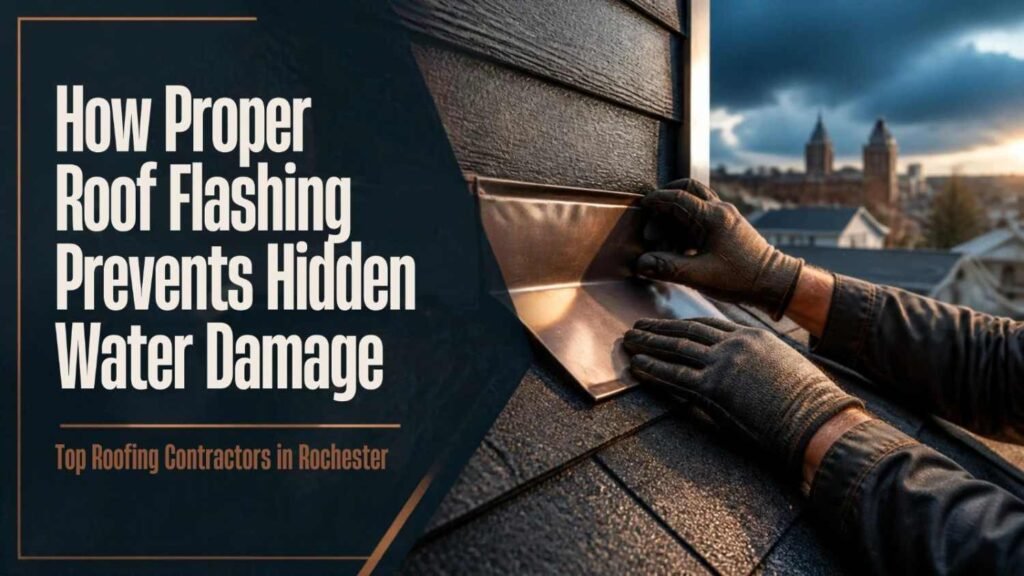
Flashing Repairs After Severe Weather
Transitions and penetrations around the roof are flashed to allow water to move through areas where they are not easily accessible.
Storms can loosen or damage flashing around:
- Chimneys
- Skylights
- Walls
- Valleys
- Vents
Even though the shingles look good, a flashing issue can lead to leaks. Roofers should be on the lookout for these areas when evaluating for storm damage.
Ice and Snow Damage in Rochester
Roofing issues vary with winter storms and summer thunderstorms. Heavy snow can place an additional load on a roof. Ice can build up around eaves and drainage areas. Freeze-thaw activity can create small openings and trap water when temperatures drop.
Roofers can inspect a roof during the winter for:
- Ice-related shingle damage
- Flashing problems
- Gutter issues
- Moisture
- Damaged vents
- Roof edge problems
No large snow removal operations should be attempted by property owners unless they have the right equipment and experience.
How Long Does Storm Damage Roof Repair Take?
A number of factors determine repair times.
These may include:
- Extent of damage
- Weather conditions
- Material availability
- Roof size
- Insurance process
- Contractor scheduling
- Structural repairs
The minor repair might be relatively brief. If there is major storm damage, such as to the decking, framing or large sections of the roof, it may take longer. Contractors should provide realistic expectations rather than guaranteed completion dates.
Choosing a Storm Damage Roofing Contractor in Rochester NY
Following a big storm, homeowners may be called by roofing companies, receive flyers in their mailboxes, or receive unsolicited calls and visits from roofing companies. Homeowners may get calls, flyers, or unsolicited visits from roofing companies after a major storm. Do not hasten to sign a contract.
Consider:
- Local business presence
- Insurance
- Relevant roofing experience
- Written estimates
- Warranty information
- Communication
- References
- Material options
Request clarification from the contractor about the extent and nature of the damage, and the need for the suggested repairs. A reliable company should not rush you into a quick decision.
Final Thoughts
Roofs in Rochester can be affected by storms in numerous ways. Strong winds can lift shingles, hail can damage roofing surfaces, heavy rain can loosen shingles, and falling branches can cause significant problems with the roof structure. There are some that are apparent right away, and there are others that are hidden until moisture goes to the attic or inside.
Professional storm damage roofing Rochester NY services help homeowners understand what happened and what should be done next. A qualified roofing company can inspect the roof, document damage, provide temporary protection when necessary, recommend repair or replacement options, and prepare a detailed estimate.
If damage is suspected, homeowners should act promptly and sensitively, but shouldn’t rush into hiring a contractor. Photograph, review insurance, verify written estimates, and pose questions on materials, warranties, repairs, and clean-up.
To minimize the impact of storm damage and keep Rochester homeowners’ roofing systems ready for the next storm, they should carefully inspect their roofs after the storm, make repairs as needed, and maintain them regularly.
Frequently Asked Questions
1. How do I know if my Rochester roof has storm damage?
Look for missing shingles, leaks, damaged gutters, lifted materials, falling branches, or water stains. A professional inspection can identify less visible problems.
2. Can strong wind damage shingles without removing them?
Yes. Wind can lift or loosen shingles and break seals even when the shingles remain attached.
3. Does hail damage always cause immediate leaks?
No. Hail damage may weaken roofing materials without creating an immediate leak.
4. Should I climb onto my roof after a storm?
No. Damaged, wet, icy, or loose roofing surfaces can be unsafe. Inspect from the ground and contact a professional when necessary.
5. Can a storm-damaged roof be repaired instead of replaced?
Yes. Limited damage may be repairable. The decision depends on roof age, condition, damage location, and the extent of the problem.
6. Does homeowners insurance cover storm roof damage?
Some policies provide coverage for qualifying storm damage, but coverage varies. Review your policy and contact your insurer for specific information.
7. What is emergency roof tarping?
Emergency tarping temporarily covers exposed roof areas to reduce water entry until permanent repairs can be completed.
8. How quickly should I inspect my roof after a storm?
It is best to inspect the property from a safe location as soon as practical and arrange professional help if damage is visible or suspected.
9. What should I look for in a storm damage roofing contractor?
Look for local experience, insurance, clear written estimates, transparent communication, warranty information, and relevant storm repair experience.
10. Why is storm damage roofing Rochester NY service important?
Professional storm damage roofing services help identify hidden problems, provide temporary protection, recommend appropriate repairs, and restore roofing systems after severe weather.