

The blog tells about Emergency Roofing in Rochester NY: Fast Repair Solutions. A roof failure doesn’t occur when you want it to. It’s a sudden windstorm tearing off shingles, a tree limb breaking through during a snowstorm, or a slow leak that finally gives way during a heavy spring rain. Roof emergencies require immediate response. When homeowners are looking for emergency roofing Rochester NY services, it can be helpful to understand what constitutes an emergency, how quickly repairs will be completed, and what to look for in a reputable roofing contractor.
This Rochester emergency roofing guide covers all you need to know, from signs of an emergency to the repair process to how you can protect your home while you wait for help to arrive.
Why Rochester’s Climate Makes Emergency Roofing Common
Roofing in Rochester and the Western New York area is among the most challenging in the nation. Residential roofing systems and commercial roofing systems both experience a tremendous amount of stress during the lake-effect snow, rapid freeze/thaw cycles, high winds off Lake Ontario, and intense spring storms.
Some of the climate-related issues that often result in emergency roofing jobs are:
- Ice dams: When heat escapes from a home’s attic, it can melt roof snow along the way, and re-freeze at the cooler eaves, impeding water from flowing off the roof and causing it to back up underneath shingles.
- Heavy snow loads: Snow, particularly if it is heavy and wet, can cause roofing structures to be stressed and, in some cases, sag or collapse.
- High winds: Storms off of Lake Ontario can create winds capable of ripping shingles, blowing flashing off a roof, or launching debris into the surface of a roof.
- Repeated freeze-thaw cycles: Rochester’s weather has a lot of freeze and thaw weather, which makes the roofing materials expand and contract over and over, increasing wear and leading to small cracks that can turn into major leaks over time.
These factors make it important for Rochester homeowners to have a roofing partner that knows how to handle the unique repair issues that arise in Rochester.
What Qualifies as a Roofing Emergency?
Not all roofing problems demand immediate attention, but knowing which ones do may prevent them from escalating into a major problem. Several common roofing emergencies can occur.
such as:
- Active leaks during a storm, especially near electrical fixtures
- Visible structural sagging, which could indicate a risk of collapse
- Large sections of missing or severely damaged shingles after a storm
- Tree limbs or other debris that have punctured the roof
- Ice dams are causing water to back up into the home
- Chimney or flashing damage allowing significant water intrusion
- Any damage that exposes the home’s interior to the elements
Most emergency roofing Rochester NY companies have 24/7 phone numbers and a technician can determine if your situation is an emergency before a crew arrives to assist you in determining what immediate action should be taken.
Immediate Steps to Take During a Roofing Emergency
There are a number of actions homeowners can take during the wait for professional assistance to limit damage and ensure safety.
1. Prioritize Safety First
Do not inspect or repair a roof while severe weather is occurring, such as during high winds, lightning, heavy snow & ice. Rain, ice, and damage from storms make roofs far more hazardous to walk on and even minor damage to the structure may be undetectable from the ground.
2. Contain Interior Water Damage
If water is flowing into the home, remove furniture and valuables from the area, don’t touch the water with bare hands, place buckets or containers to catch water dripping to the ground and use towels or tarps to cover wet floors. In areas where water is pooling on a ceiling, gently pricking the ceiling with a small object may allow water to drain into a safe and controlled receptacle and avoid a great uncontrolled release of ceiling material.
3. Document the Damage
Make photographs and videos of the damage inside and outside of the house as soon as possible after the damage, but when safe to do so. This documentation is important in case of insurance claims and helps your roofing company get an idea of the work that needs to be done, even before they arrive on-site.
4. Call Your Insurance Company
Sudden and storm damage to roof is covered by most homeowners’ insurance policies. Notify the insurance company immediately to initiate the claims procedure and inquire if they need to have certain documents or a list of approved contractors before they start repairs.
5. Call a Licensed Emergency Roofing Contractor
After initial safety and containment measures are addressed, call a licensed roofing professional who has emergency services. As for real emergencies, the reputable company will respond in days, not hours.
The Emergency Roofing Repair Process
Learning what it’s like to get a professional emergency roofing response can help relieve some of the tension that can come up throughout the situation.
Step 1: Initial Assessment and Temporary Stabilization
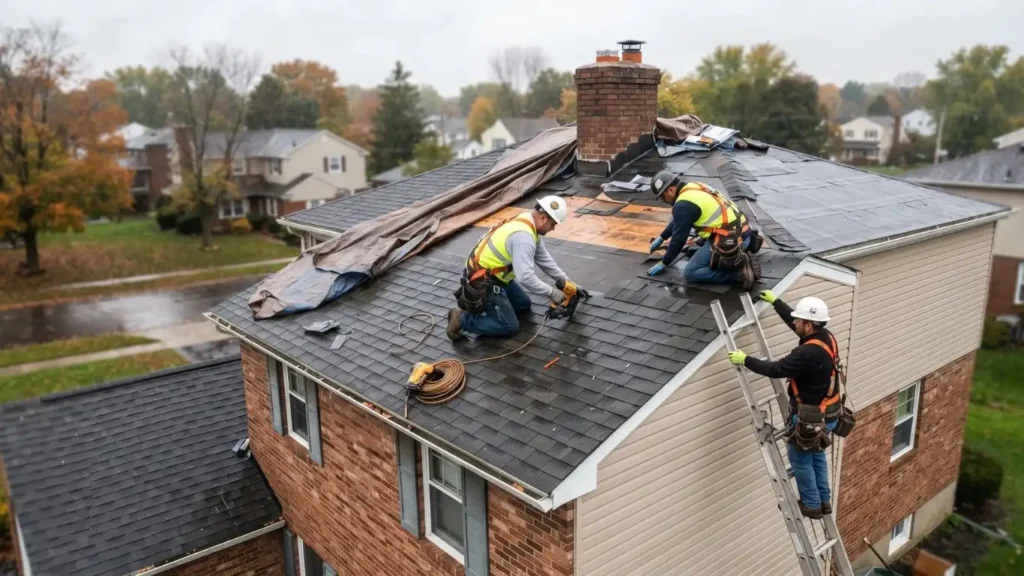
A typical emergency roofing crew’s first move when they show up is to temporarily stabilize, and not repair the roof.
This might include:
- Installing tarps over damaged areas to prevent further water intrusion
- Clearing of hazardous material, including fallen tree branches
- Temporary sealants are applied to those areas that leak.
- Structural safety assessment before continued access to the area.
This is a temporary solution to give the time needed to properly evaluate the damage and determine a permanent solution without the home being exposed to continuous weather.
Step 2: Detailed Damage Assessment
After the initial problem has been dealt with, the contractor will perform a more detailed inspection for:
- Shingle or roofing material damage beyond the visibly affected area
- Underlying deck damage or rot
- Flashing and seal integrity around chimneys, vents, and skylights
- Signs of ice dam formation or ongoing drainage issues
- Structural damage to rafters or trusses, in severe cases
A photo and written summary will usually be part of this assessment and will be part of the repair plan as well as insurance documentation.
Step 3: Repair Plan and Material Sourcing
The contractor will then provide a repair quote and a plan for the repairs, which will include the materials that will be required and the estimated duration and cost. For emergency jobs, many Rochester roofing companies keep common materials on hand specifically to avoid having to wait for special order materials, so that the homeowner’s job requirement may be a priority of matching existing shingles or materials as closely as possible.
Step 4: Permanent Repair
Depending on the extent of damage, permanent repairs might involve:
- Replacing individual damaged shingles or large areas of shingles
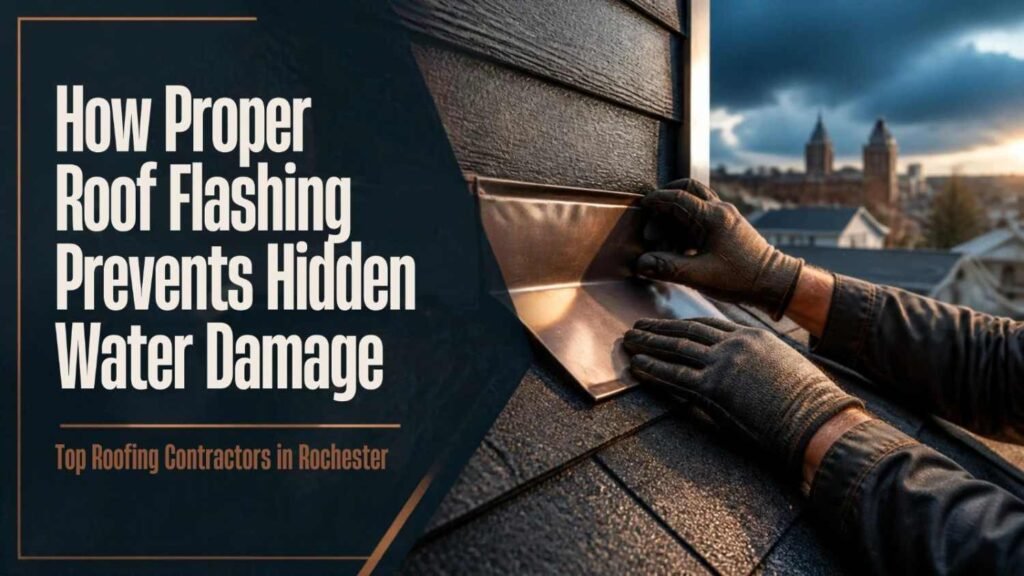
- Installing or replacing flashing at roof penetrations.
- Taking care of structural problems in the deck before installing new materials
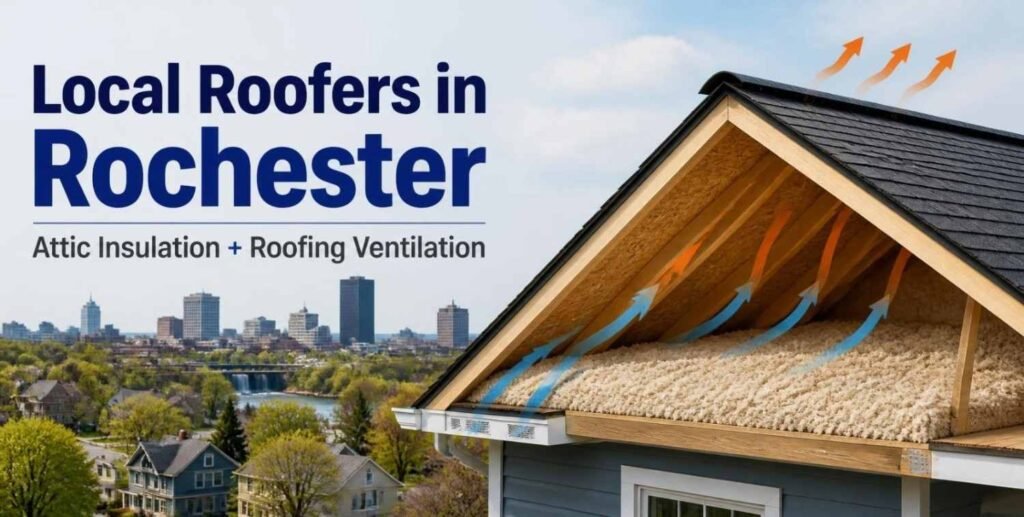
- Solving ice dam problems by better attic insulation and ventilation
- Full roof replacement in the case of extensive or widespread damage
If it is a quality contractor, they will not only describe what they are fixing, they’ll explain why, especially if the emergency has uncovered other problems, such as poor ventilation, that may have led to the problem in the first place.
Step 5: Final Inspection and Warranty Documentation
Once the repair is finished, a quality contractor will perform a final inspection and certify the repair in compliance with manufacturer and code requirements, and document any material and labor warranties.
How to Choose an Emergency Roofing Contractor in Rochester
Not every roofing company has a true emergency response and response levels differ widely. As you are looking into an emergency roofing Rochester NY company, take into account the following:
- 24/7 Availability: Emergency services should be available 24/7 and not during business hours.
- Response time: Inquire about average response time to emergency calls, especially during the peak storm seasons when demand for services is greatest.
- Licensing and insurance: Check the contractor’s license and insurance to ensure they are licensed to work in New York State and have insurance so that your property is not at risk during repairs.
- Local experience: A contractor who is well acquainted with Rochester’s unique climate conditions, such as ice dam prevention and lake-effect snow loading, will be more likely to offer solutions for the long term as opposed to short-term fixes.
- Transparent pricing: Emergencies can, unfortunately, attract predatory pricing practices. Reputable contractors provide clear estimates before beginning permanent repair work, even if temporary stabilization needs to happen immediately.
- Reviews and reputation: Check for consistent positive reviews that focus on emergency and/or storm response, rather than on roofing in general.
Preventing Future Roofing Emergencies
Schedules of regular maintenance greatly minimize the chances of roofing failures, but not all emergencies can be prevented, especially when they are triggered by sudden severe weather.
Here are some steps to take to prevent it:
- Make an annual roof inspection appointment, preferably before winter, so as to pick up early problems before they escalate into emergencies.
- Maintain clean gutters to avoid water back-up, which can cause ice dams and water intrusion.
- Trim any branches of trees that may fall on the roof during storms.
- Make sure that there is adequate insulation and ventilation in the attic to prevent the formation of temperature differences that create ice dams.
- Handle small leaks or broken shingles quickly they tend to get worse rapidly in Rochester’s freeze-thaw weather.
It’s always much easier and less expensive to invest in a well-designed maintenance plan than to deal with emergency repairs, which can be very expensive and disruptive.
Working with Insurance During a Roofing Emergency
Typical homeowner’s policies cover most of the causes of roof emergencies that occur suddenly, such as when it is damaged during a storm or by a tree, but coverage varies.
Here are a few tips on how to make the claims process go smoothly:
- Contact your insurer as soon as possible after the damage occurs
- Keep thorough documentation, including photos, videos, and written descriptions of the damage
- Ask your roofing contractor whether they can work directly with your insurance adjuster
- Understand your policy’s deductible and coverage limits before repairs begin
- Keep copies of all repair invoices and communications for your records
Many local Rochester roofing companies can work directly with insurance companies and make this process easier and more time-efficient, as it is often very confusing.
Final Thoughts
Roofing emergencies are stressful, but knowing what to expect can make all the difference in protecting your home and minimizing long-term damage. From recognizing genuine emergencies to taking the right immediate steps, understanding the professional repair process, and choosing a reliable emergency roofing Rochester NY contractor, being informed puts you in a much stronger position when the unexpected happens. Given Rochester’s demanding climate, from lake-effect snow to sudden windstorms, having a trusted local roofing partner on hand, even before an emergency strikes, is one of the smartest investments a homeowner can make in protecting their property for the long term.
Frequently Asked Questions
1. How quickly can an emergency roofing company respond in Rochester?
Most reputable companies in the emergency roofing industry will be at your doorstep within a few hours in a true emergency. During major storm events across the region, the calls are so overwhelming that a few hours may be the maximum time required.
2. Is emergency roof repair covered by homeowners insurance?
A typical homeowner’s insurance policy will usually cover damage that suddenly occurs due to a storm, wind or fallen tree. Although the coverage details and deductibles may differ, it is best to check your policy or speak to your insurer directly.
3. What should I do if water is actively leaking through my ceiling?
Remove furniture and valuables from the area, put a pan to collect the dripping water, and if the water is pooling on the ceiling, slowly relieve the pressure by making a small puncture, as this will stop a bigger puncture if it occurs.
4. What causes ice dams, and why are they common in Rochester?
These ice dams can be caused by heat rising from the attic melting snow in the upper level, which then refreezes at the lower level roof surface of the roof, causing water to back up under the shingles. This is a common problem in Rochester due to the frequent snow and freeze-thaw events that happen here.
5. Can I temporarily fix a roof leak myself before a contractor arrives?
Water containment, such as buckets and towels, is safe within the interior, but working on a roof that is damaged and wet is hazardous and should be done by experts who have the necessary safety equipment.
6. How much does emergency roof repair typically cost?
The cost can be widely different depending on the scale of the damage, materials required and whether temporary stabilization or restoration is required. The most effective way to know the pricing for your particular case is to get an estimate from a licensed contractor before permanent work is started.
7. How do I know if my roof damage is a true emergency or can wait?
Any leaky roof, sagging roof structures, large roof damage, or roofs that are showing signs of damage and are letting exterior elements into your home are usually considered emergencies, while minor cosmetic damage can be scheduled for an inspection.
8. Will a tarp really protect my roof until permanent repairs happen?
Yes, a tarp is a great temporary solution to stop additional water from entering the structure while time is taken to carefully assess the damage and plan a repair, if installed correctly and by a professional.
9. How can I prevent roofing emergencies in the future?
Annual roofing system check-ups, gutter cleanings, tree trimming, adequate attic insulation and ventilation are important maintenance tasks that can greatly diminish the risk of unexpected roof failures, especially from ice dams.
10. Should I choose the first emergency roofing contractor I find, or should I compare options?
Although speed is important in an emergency, if you have time to check licensing, insurance, and reviews, it is worth doing as the problems of predatory pricing and low-standard repairs can be more prevalent during high-stress emergencies.