

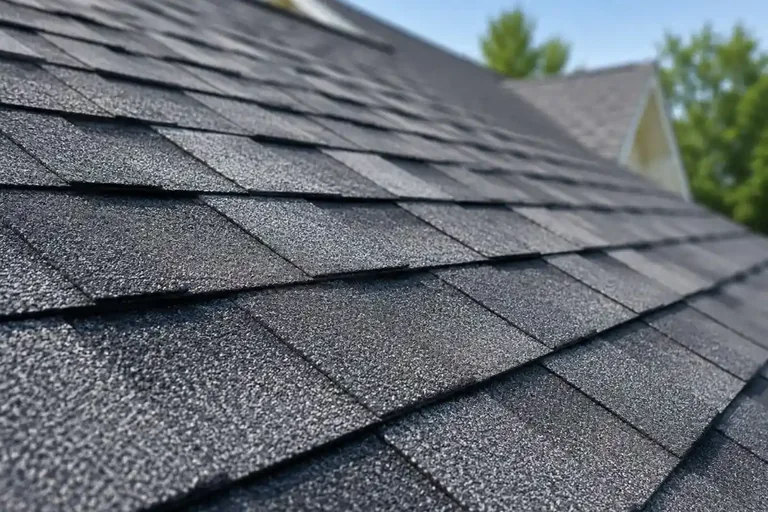
The blog tells about Top Roofing Contractors Rochester NY: Expert Comparison Guide. Roofs don’t get a break from Rochester’s weather. Whether it’s lake-effect snow, ice dams, high winds blowing off Lake Erie, or the freeze-thaw cycles that occur every spring and fall in Western New York, a roof here has to do a lot more work than just about any other part of the country. Finding the right one of the top roofing contractors Rochester NY, homeowners can rely on is so important because having a poorly-installed or poorly-repaired roof will cause not only monetary losses, but also water damage, mold, and structural problems that will cost you much more than the initial roof repair or roof replacement.
This guide explains the process of assessing roofing contractors in Rochester, the types of companies to steer clear of, and specific questions to ask before signing a contract with a roofing company. This comparison guide can help you make the right decision whether it’s repairing storm damage or installing a total roof over it, or just getting ahead of the roof leak before winter.
Why Rochester’s Climate Makes Contractor Choice Especially Important
Not every roofing contractor can deliver their services in a Rochester house. When lake-effect snow comes down, it can rain down feet of snow in a few hours, and that weight alone puts strain on the roof decking and trusses. One of the most common ways roof leaks occur in the winter in the area is through ice dams, which occur when heat escapes from poorly insulated attics, causing the snow to melt and refreeze at the eaves.
This is one of the primary reasons why Rochester’s top roofing contractors stand apart from any other company out of town. A contractor who has been on the job for some years for houses in Western New York will know:
- Ice and Water Shield Eaves and Valleys (proper installation and maintenance)
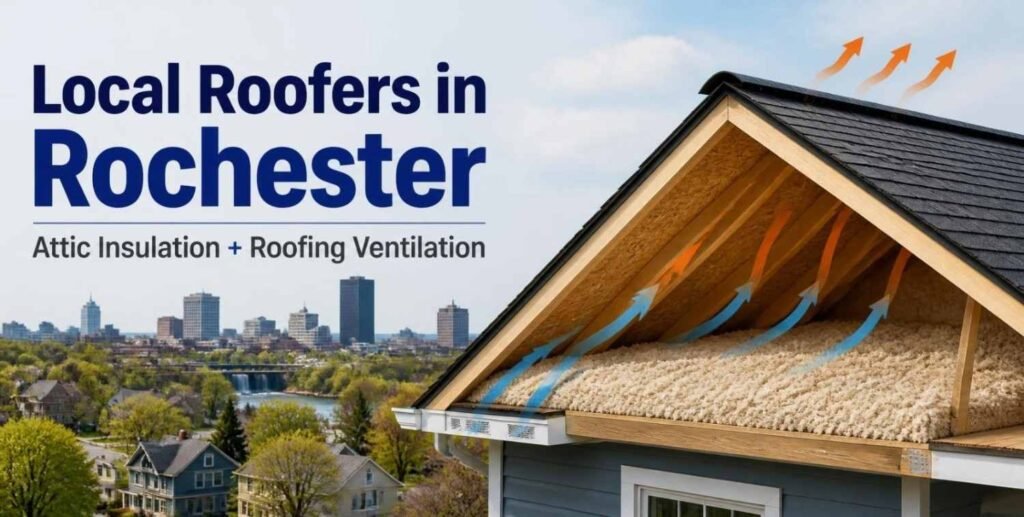
- The need for balanced attic venting (soffit and ridge vents together)
- Identify the various types of shingles and underlayment that are most resistant to the effects of freeze-thaw.
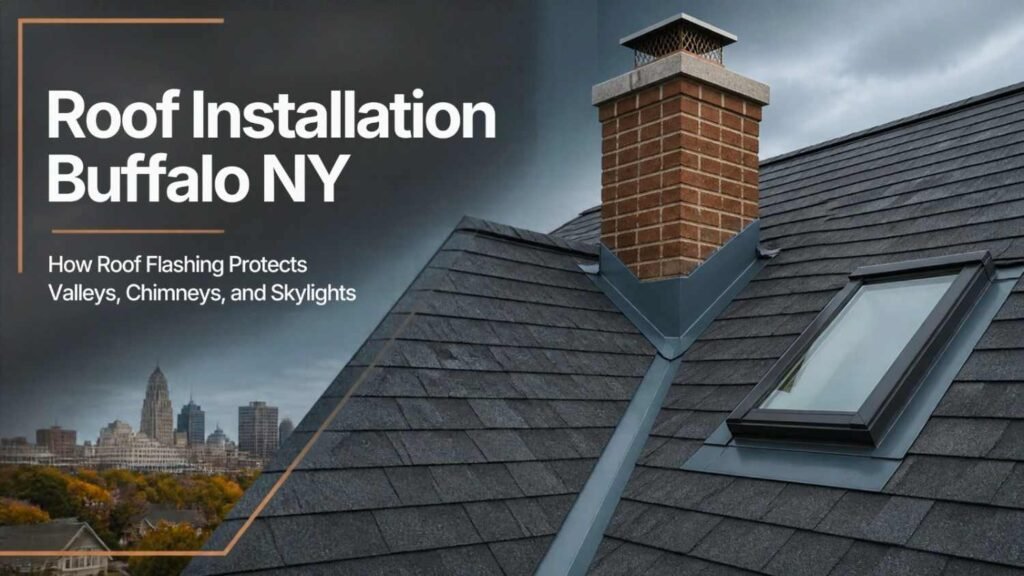
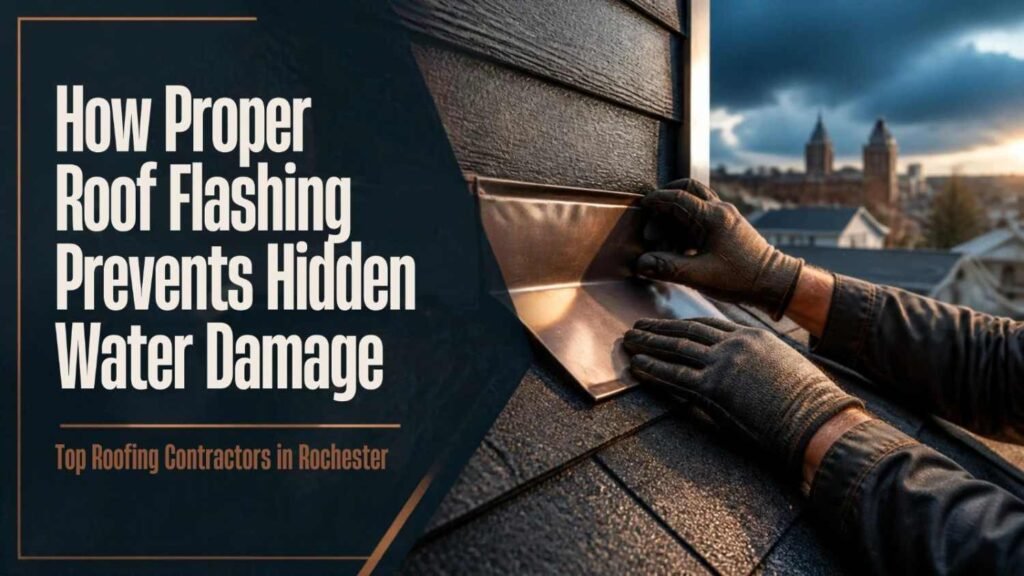
- How to flash chimneys, skylights, and vent pipes so they are not a source of leaks during heavy snow melt.
- Local permitting requirements and code standards ( Rochester and Erie County)
A contractor who isn’t accustomed to the elements of Rochester winters may be just as successful in a milder climate, but at risk of failing you in the face of Rochester’s unique conditions.
Key Factors to Compare When Choosing a Roofing Contractor
1. Licensing, Insurance, and Bonding
This is the minimum starting point that is not negotiable. There is no such thing as a statewide roofing license requirement in New York, but many municipalities and counties around Rochester have local licensing and registration requirements. Any contractor you are considering should have at least:
- General liability insurance
- Workers’ compensation coverage
- Local licensing and registration requirements
Request an insurance certificate from the contractor, rather than a promise. A company that doesn’t want to provide documentation should raise a red flag.
2. Experience and Local Reputation
Years in business are a good starting point, but it isn’t the end of the story. Find a contractor who has experience in the Rochester market and has finished projects similar to your own or in your area. A local reputation appears in a couple of locations:
- Online reviews on Google, Better Business Bureau, and Angi
- Before-and-after photos of actual completed jobs
- References that you can reach out to directly
- To stand with the local trade associations
A contractor who has been around for 10 years in this Rochester roofing business has probably made (and learned from) the mistakes that the unusual weather requirements of Rochester demand.
3. Range of Services
Some roofing companies) specialize strictly in asphalt shingle replacement. Others have a wider variety, such as:
- Full roof replacement
- Roof repair and leak detection
- Storm and hail damage restoration
- Metal, slate, or flat/commercial roofing
- Gutter installation and maintenance
- Attic insulation and ventilation upgrades
Having a contractor who has a wider range of services and experience with insurance claims may make the process a lot easier if your home has special roofing materials or you are having storm damage issues with your insurance.
4. Materials and Manufacturer Certifications
The type of materials used by a contractor and how they are qualified to install those materials will impact the quality of the work and the warranty coverage that you will receive. The best companies have manufacturers’ certifications from companies such as GAF, Owens Corning, or CertainTeed. These certifications usually involve a minimum volume of work for contractors and installation standards, and often gain them a better manufacturer warranty (sometimes including labor in addition to materials) as opposed to an uncertified installer.
When looking at quotes, ask each contractor:
- Which manufacturer certifications do they hold
- What shingles or roofing lines do they typically install
- Whether their warranty covers labor, materials, or both
- How long the workmanship warranty lasts, separate from the manufacturer’s product warranty
5. Written Estimates and Transparent Pricing
A trustworthy contractor provides a detailed, written estimate not a vague verbal number. That estimate should break down:
- Material costs and the specific products being used
- Labor costs
- Tear-off and disposal fees
- Timeline for the project
- Payment schedule
Steer clear of contractors who rush you into signing a contract, particularly after a storm, or require a hefty up-front payment before starting work. Comparing quotes from at least three contractors is reasonable; be sure to compare the cost and the coverage as well.
6. Warranty Terms
There are two types of roofing warranties: material warranties by the manufacturer and workmanship warranties from the contractor that warrant installation. Ask specifically:
- What is covered and for how long
- How the warranty will be handled in the event of a sale of the home.
- What voids the warranty
- The length of time the contractor has been in business, so the warranty may have some value down the road
Often, the level of confidence in the workmanship is more apparent by the strength of its warranty, which usually ranges between 5 to 25 years, depending on the contractor, rather than by the sales pitch.
7. Communication and Project Management
Whether it’s a simple roofing job or something more complex, there are numerous moving parts: scheduling, weather delays, material delivery, clean up, inspections, etc. The contractors consistently making the Top Roofing contractors Rochester NY list consistently possess several qualities when it comes to job management:
- A single point of contact throughout the job
- Clear communication about timelines and any delays
- A defined cleanup and debris removal process (magnetic sweeps for nails, tarping landscaping, etc.)
- A final walkthrough and inspection before the job is considered complete
Comparing Full Replacement vs. Repair Specialists
Not all roofing jobs require the same type of roofing contractor. If your roof is on the verge of its lifespan (typically 18 to 25 years for asphalt shingle roofs in this climate, depending on quality and ventilation), a full replacement specialist, with good material partnerships, may be the better choice. If you have an isolated leak, storm damage or a smaller issue, a contractor who is known for quick response time and diagnostic skills may be better suited for your needs and may save you from the full replacement price of a larger problem that doesn’t need to be replaced.
Some companies do both, and others do just one. Before deciding if a contractor is the right person for your job, it’s always a good question to ask up front: in which category do you fit?
Red Flags to Watch For
Here are some red flags to watch out for when you’re thinking of hiring a contractor:
- Solicitation activities after a storm, particularly door-to-door, under high pressure
- No fixed local address or place of business.
- Demands a complete advance payment in one lump sum.
- Unwillingness to offer references or proof of insurance
- Billed rates are much lower than all other estimates received
- No contract or vague contract language regarding the scope of the work.
All of these don’t necessarily indicate that a contractor is dishonest, but they certainly are food for thought before signing on the dotted line.
There’s also a danger with contractors that say they are a manufacturer’s representative but can’t provide proof, or that they are marketing under a manufacturer’s name, but don’t have a valid partnership with the manufacturer. A phone call to the manufacturer or a visit to the manufacturer’s website will determine if a certificate is up-to-date.
How to Read a Roofing Contract Before You Sign
If you have reduced your selection to just a couple of contracts, check them out carefully anyway. Good roofing contract will also specify the work that will be performed under the contract (tear-off, underlayment and location of the ice-and-water shield, specifics of flashing, etc.), the specific products and quantities to be used, the total price of the work and payment schedule based on project milestones rather than the upfront payment, the expected start and completion dates, and the method for any change orders that might occur once the old roofing has been removed. If any of these is not clear or not provided, request in writing before signing. A contractor who has confidence in their work usually does not have a problem inserting specifics in the contract.

Questions to Ask Before Hiring
The following is a short list of questions to take to any consultation:
- Do you have a license and insurance, and can I see it?
- How many Rochester roofing projects have you had completed?
- Which manufacturers’ certifications do you have?
- Do you have any references or a portfolio of projects that you have completed in the area?
- What is there in your written estimate, and what might be additional costs in the future?
- Which warranty do you provide, and what is covered in this warranty?
- How do you deal with unanticipated problems that arise on tear-off, such as damage to the deck?
- What is your estimated completion date and what measures do you take in the event of weather delays?
- Who will I have to work closely with in the project?
- Will you help with insurance claims if it is storm damage?
Final Thoughts
When it comes to hiring roofing contractors in Rochester, it’s more than just about cost. Top roofing contractors Rochester NY, homeowners rely on are those who integrate their local knowledge of weather conditions, evidence of licensing and insurance, robust manufacturer certifications, straightforward pricing, and communication throughout the project. The more time you spend obtaining multiple written quotes, checking references, asking questions about warranties and materials, the better you’ll be able to come out on top than when you’re just going for the lowest price or the first quote.
One of the biggest investments a homeowner makes is a roof, and in Rochester’s climate, the quality of the installation can make or break that investment over the next 20+ years. A systematic comparison of contractors can save lots of time, money and stress in the long run.
Frequently Asked Questions
1. How much does a roof replacement typically cost in Rochester, NY?
The price range is quite broad, depending on the size of the roof, its pitch, the type of roofing material used and any decking and venting repairs that have been requested. Requesting written bids from several contractors in your area is the best method to find out the cost of your home.
2. How long does a typical roof replacement take?
Typically, residential asphalt shingle replacement is completed in 1–3 days, depending on the weather. That could be expanded by larger homes, steep pitches, or a more complex roof design.
3. What time of year is best to replace a roof in Rochester?
The weather for roofing is usually more consistent in late spring through early fall, although many roofing contractors work past late fall when weather conditions are favorable. Some materials require temperatures to install in winter, so installations are less common in winter.
4. How do I know if I need a repair or a full replacement?
A contractor should be able to assess the roof’s damage and determine if it is a localized problem or one that indicates overall damage to the roofing system. The age of the roof, the amount of loss or damage to shingles, and any signs of decking damage all play into that decision.
5. Will homeowners insurance cover roof damage?
The coverage varies according to the cause of the damage and the type of policy you have. Covering storm and wind damage is typical and aging or maintenance-related damage generally is not covered. An experienced contractor can help you properly document damage if you have one.
6. What is an ice dam, and why does it matter in Rochester?
An ice dam is caused when heat passing through the attic melts snow on the roof surface, it refreezes at the colder eaves, forming a ridge of ice that can push water back under the shingles. The best ways to avoid them are to ensure proper attic insulation, ventilation and proper installation of the ice-and-water shield.
7. How often should a roof be inspected?
It is recommended by most roofing professionals to inspect the roof at least once a year, as well as following a major storm event.
8. What roofing materials hold up best in Rochester’s climate?
The most popular choice is architectural asphalt shingles rated for high wind and impact resistance; metal roofing has also become more popular because of its ability to resist snow load and ice.
9. Do roofing warranties cover labor as well as materials?
This relies on the contractor and their manufacturer certificate level. Some warranties extend only to materials and others may include labor in addition to materials; certified installers may be able to provide extended warranties.
10. How many quotes should I get before choosing a contractor?
Most industry recommendations require that you obtain a minimum of three written quotes in order to compare various facets of the job: both pricing and scope of work, materials, and warranty details.