

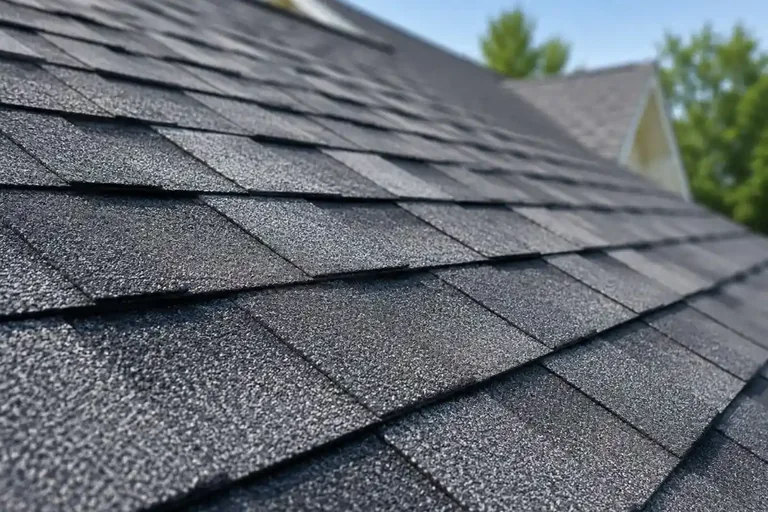
The blog tells about what to Expect When Working With Local roofers Buffalo. The idea of getting the local roofers in Buffalo is a big step towards securing your house. You may require a repair, replacement, or a complete roof; knowing how the roofing is done will make you confident and avoid any surprises.
This guide will inform homeowners about what to expect before, during, and after they have dealt with the best roofing services in Buffalo, NY.
Why Hiring Local Roofers in Buffalo Matters
Buffalo’s climate is harsh on roofs. The high snow, ice dams, lake-effect snow, and strong winds bring about rapid wear and tear as opposed to most other cities.
Local contractors realize:
- Buffalo building codes and building permits.
- Weather-resistant roofing materials.
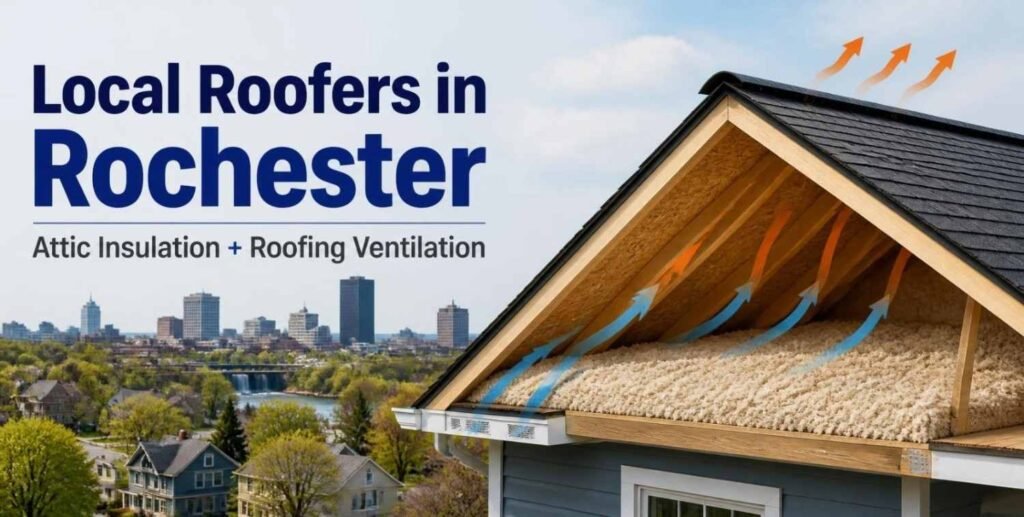
- Adequate insulation and ventilation in cold climates.
- Post-storm repairs are required.
This is the reason why owners would rather deal with the best roofing company in Buffalo rather than contractors outside town.
Step-by-Step Roofing Process in Buffalo
1. Initial Consultation & Roof Inspection
Roofing is initiated by an inspection. A professional roofer will come to your home and examine the condition of your roof to determine whether it needs repairing or replacing.
In the inspection, they check:
- Shingles and flashing
- Roof deck condition
- Attic ventilation
- Water damage or leaks
- Structural issues
The roof inspections assist the contractors in giving a detailed estimation and scope of work. The professionals suggest comparing prices of different contractors before settling on one.
2. Estimate & Project Planning
The contractor presents a written estimate after the inspection, and it consists of:
- Project cost
- Materials to be used
- Timeline
- Warranty information
- Payment schedule
This is where questions should be raised and offers compared.
Homeowners should also:
- Educate neighbors on noise and activity.
- Talk about protecting yards and accessing properties.
The work of roofing may be very noisy and disruptive for a matter of days.
3. Permits & Buffalo Regulations
Buffalo requires permits in most cases of roof replacement. The good news: this process is usually done by the contractor.
Permits are normally necessary for:
- Full roof replacements
- Structural repairs
- Adding skylights or vents
- Replacement of roofing.
Licensed contractors draw the permits, arrange the inspections, and guarantee the compliance of the project with building codes.
This measure guarantees homeowners’ legal protection and safety.
4. Preparation of Jobs and Material Delivery
Before installation begins:
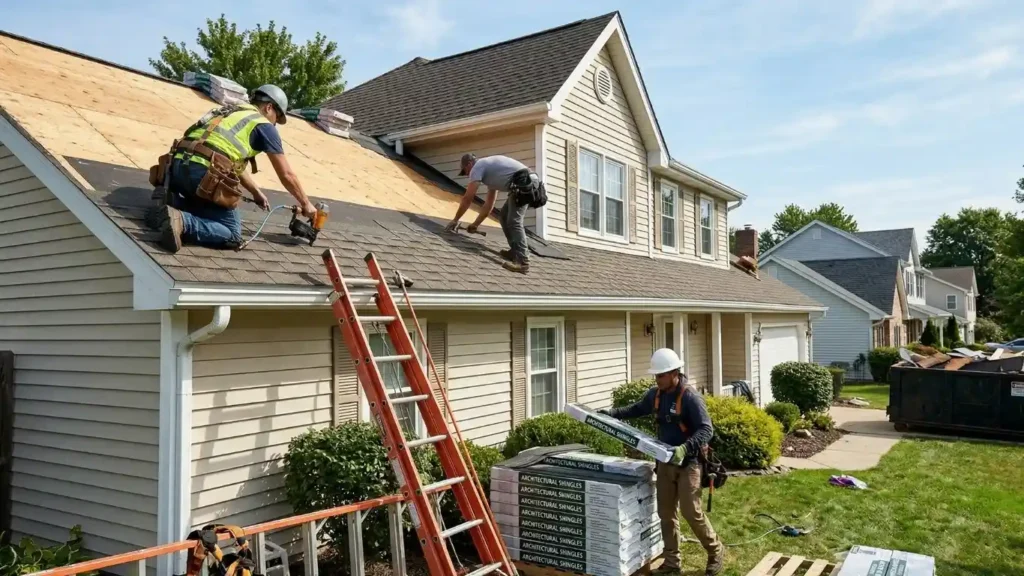
- Delivery of roofing materials.
- Dumpsters are put in place for rubbish.
- Windows and landscaping are covered.
- Vehicles may need to be moved
Roofers make the property ready in case of falling debris and vibration.
5. Removing the Old Roof (Tear-Off)
It is the noisiest and most untidy stage.
Roofers remove:
- Old shingles
- Underlayment
- Nails and flashing
Eliminating the old roof will enable the contractors to check the roof deck to determine concealed damage.
6. Roof Deck Inspection & Repairs
After the roof has been revealed, the team inspects the wooden decking.
If damage is found, they:
- Replace rotted wood
- Fix structural issues
- Ensure a solid foundation
Failure to follow this step may lead to early roof failure.
7. Installation of Underlayment & Flashing
The waterproof barrier is formed in this step.
Key components include:
- Ice and water shield (serves in snowy Buffalo winters)
- Synthetic underlayment
- Drip edge installation
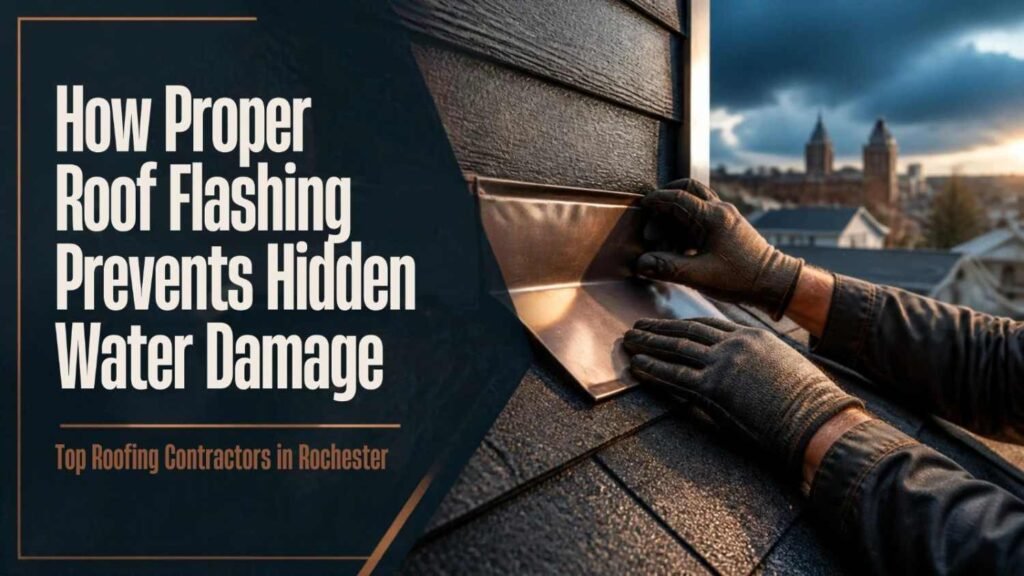
- Flashing around chimneys and vents.
These components guard against water and spillage.
8. Installation of the New Roofing System
Now the roof takes shape.
The process includes:
- Shingles installation.
- Asphalt shingles are put in staggered rows.
- Hip and ridge shingles added
- Ventilation upgrades
Ventilation removes moisture and increases the life of the roofs.
9. Cleanup & Final Inspection
Professional roofers complete with:
- Debris removal
- Magnetic nail sweep
- Final inspection
- Warranty documentation
The roof has to pass building codes before the project is closed off, and this can be done by finally inspecting the roof.
How Long Does Roofing Take?
Typical timeline in Buffalo:
| Stage | Time |
| Planning & permits | 1–4 weeks |
| Roof installation | 1–3 days |
| Final inspection | Same day or next |
A complex, good, and large roof can influence timing.
What Homeowners Should Expect During Installation
Noise & Vibrations
Roof work is loud. Expect:
- Hammering
- Foot traffic overhead
- Shakes of walls and ceilings.
A large number of house owners prefer to go away during installation.
Temporary Mess & Debris
Despite the precautions, anticipate:
- Dust in attic spaces
- Driveway dumpsters
- Materials on the roof of the property.
Your home is put back in order by professional cleaning.
Communication From Your Roofer
The top roofing business in Buffalo will:
- Provide daily updates
- Answer questions quickly
- Warn you of unforeseen problems.
One of the indicators of a good contractor is communication.
Advantages of Working with Local Roofing Experts
Weather Knowledge of Buffalo.
Local roofers know how to:
- Prevent ice dams
- Select snow-resistant materials.
- Install proper insulation
Faster Emergency Repairs
Storm damage? Local teams respond quickly.
Easier Warranty Support
Local contractors will be on hand even after the job is completed.
Tips for Choosing the Best Roofing Company in Buffalo
Look for:
- An appropriate license and insurance.
- Local experience
- Written warranties
- Clear contracts
- Positive customer reviews
- Transparent pricing
Avoid contractors who:
- Ask for full payment up front
- Refuse permits
- Offer unusually low quotes
Seasonal Roofing Challenges in Buffalo and How Local Roofers Handle Them
Experience with extreme seasonal changes in the area is among the greatest benefits of hiring the local roofers in Buffalo. Buffalo roofing is not similar to roofing in states where the climate is warmer. Climate has a direct effect on materials, the installation process, and the maintenance schedule.
Winter: Snow Loads & Ice Dams
Buffalo boasts of snow-heavy fall and lake-effect storms. These conditions create:
- Ice dams, along with snow on the roof
- Massive loads of snow on the roof.
- Leaks and cracks due to freeze-thaw cycles
The roofing professionals in the area fit:
- Water barriers made of ice and waterproof layers.
- Proper attic insulation
- Temperature-controlling ventilation systems
Such measures will eliminate the possibility of uneven melting and freezing of snow on roofs.
Spring: Leak season
Once the snow melts, the damage that was there during winter is exposed. It is in the spring that most homeowners can notice:
- Water stains on ceilings
- Mold growth in attics
- Loose or missing shingles
That is why spring inspections are highly encouraged by the best roofing services in Buffalo, NY.
Summer: Ideal roofing season
Summer offers:
- Shingle sealing requires warm temperatures
- Longer daylight hours
- Faster project completion
Most of the roofing replacements occur in summer since it is the time when materials are installed better.
Fall: Preparing for winter
Fall is the final chance to:
- Fix damaged shingles
- Clean gutters
- Repair flashing
- Make sure that the ventilation of the attic is effective
This season is usually typical of roofers because homeowners are preparing against winter storms.
Common Roofing Materials Used in Buffalo Homes
Local contractors assist the homeowners in the selection of the material meant to be durable and resistant to the weather.
Asphalt Shingles
The most popular roofing construction in Buffalo is:
- Affordability
- Durability
- Snow resistance
- Easy maintenance
Architectural shingles are particularly widespread since they are thicker and more durable.
Metal Roofing
Metal roofs are becoming popular due to the reason that they:
- Shed snow easily
- Last 40-70 years
- Minimal maintenance requirements.
- Provide energy efficiency
Metal roofing is economical in the long run, despite the initial expense being expensive.
Architectural vs. 3-Tab Shingles
In communication with the most successful roofing company in Buffalo, the homeowners tend to compare the following options:
| Feature | 3-Tab Shingles | Architectural Shingles |
| Lifespan | 15–20 years | 25–30 years |
| Wind resistance | Moderate | High |
| Appearance | Flat | Dimensional |
| Cost | Lower | Higher |
A majority of the Buffalo house owners opt to use architectural shingles in order to survive during the severe winters.
Understanding Roofing Warranties
Two categories of warranties are associated with a professional roofing project:
Manufacturer Warranty
Seals roofing material defects.
Typical coverage:
- 20-50 years, depending on the product
- Replacement material costs
- Sometimes labor coverage
Workmanship Warranty
The contractor provides and covers the quality of installation.
Typical coverage:
- 5-15 years
- Inhibited installation errors.
- Leak repair coverage
Ask your contractor to elaborate on both warranties at all times.
Signs You Hired a Reliable Local Roofer
In the case of trustee roofing professionals, you will observe:
Clear Communication
- Detailed written contracts
- Transparent pricing
- Regular progress updates
Safety Practices
Crews of professionals adhere to the high safety standards:
- Protective equipment
- Protective barriers of property.
- Proper waste disposal
Organized Worksite
Maintenance of the job site is safe and clean by reliable roofers.
How Roofing Projects Affect Home Value
One of the best home improvements is replacing the roof.
Increased Property Value
Having a new roof will add resale value since the buyers would like to have homes that have:
- No upcoming major repairs
- Energy-efficient features
- Strong curb appeal
Better Energy Efficiency
The roofing systems of today are better:
- Attic insulation
- Indoor temperature control
- Heating and cooling costs
Improved Curb Appeal
Your roof is almost 40 percent of the exterior of your home. The appearance of the home is considerably increased by a new roof.
Maintenance of Roofing after installation
It does not stop with installation and your relationship with your roofer. Constant maintenance is needed.
Annual Roof Inspections
Professionals suggest check-ups:
- Once per year
- After major storms
Repairs are costly and can be avoided through early identification.
Gutter Cleaning
Clogged gutters cause:
- Water overflow
- Roof edge damage
- Ice dams in winter
Maintenance of gutters: Gutters should be cleaned twice a year, this is to protect your roofing system.
Attic Ventilation Checks
Proper airflow prevents:
- Moisture buildup
- Mold growth
- Premature roof aging
Emergency Roofing Services: What to Expect
The damage from the storms may occur anytime. Emergency services offered locally by roofers include:
- Fallen tree damage
- Severe leaks
- Wind-blown shingles
- Ice dam damage
Emergency services normally encompass:
- Installation of a tarp temporarily.
- Damage assessment
- Insurance documentation
- Repair permanent scheduling.
Fast action will save additional destruction of your house from additional destruction.
Working With Insurance for Roof Repairs
In case your roof was storm-damaged, your roofer might help you with insurance claims.
Typical Insurance Process
- Get in touch with your insurance coverage.
- Schedule inspection
- Receive claim approval
- Begin repairs
Experienced roofers often:
- Document damage with photos
- Provide repair estimates
- Make contact with insurance adjusters.
This makes it easy for the homeowner.
Questions You Should Ask Your Roofing Contractor
Before commencing your project, enquire:
- Are you licensed and insured?
- Do you issue written warranties?
- What will be the duration of the project?
- Which materials are your recommendations?
- What will you do to secure my real estate?
These are some of the questions that would aid in getting the best roofing company in Buffalo.
Long-Term Benefits of a Professional Roofing Project
The benefits of collaboration with qualified local roofers are long-term:
- Peace of mind during storms
- Reduced repair costs
- Improved home comfort
- Improved heating and air conditioning.
- Higher resale value
A roof is not just a shingle roof; it is a total protection system.
Final Thoughts
It does not have to be a stress-making affair when working with local roofers in Buffalo. By knowing the roofing process, you will know exactly what to expect, what will be inspected, and how the whole roofing process will be completed to the end.
The quality of materials, correct installation, and communication are the areas of concern of the best roofing services in Buffalo, NY. Our new roof will safeguard your house for decades when you have the right contractor.
FAQs
1. Do I need to leave my home during roof installation?
Not required, but many homeowners choose to leave due to noise and vibrations.
2. Will roofers handle permits in Buffalo?
Yes. Licensed contractors typically obtain permits and schedule inspections.
3. How long does a new roof last?
Most asphalt roofs last 20–30 years with proper installation and ventilation.
4. What is the best season for roofing in Buffalo?
Late spring through early fall is ideal due to stable weather.
5. How do I know if I need a roof replacement or repair?
A professional inspection is the best way to determine the right solution.
6. How much does a roof replacement cost in Buffalo?
Costs vary based on roof size, materials, and complexity. Most homeowners spend between $6,000 and $15,000.
7. Can roof installation happen in winter?
Yes, but it depends on temperature and weather conditions. Emergency repairs can happen year-round.
8. Will a new roof lower my energy bills?
Yes. Modern roofing systems improve insulation and ventilation, reducing heating and cooling costs.
9. How do roofers protect landscaping during installation?
They use tarps, plywood barriers, and careful cleanup methods to protect plants and outdoor spaces.
10. What happens if bad weather delays the project?
Professional roofers monitor forecasts and secure the roof with protective coverings until work resumes.