

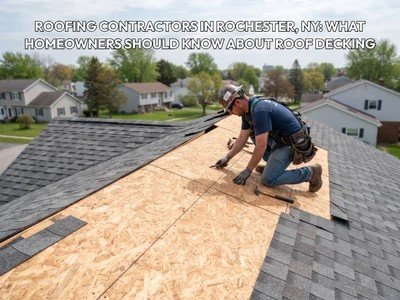
Roofing Contractors in Rochester, NY: What Homeowners Should Know About Roof Decking often inspect more than just shingles when evaluating the condition of a residential roof. One important part of the roof system that homeowners may not see is the roof decking. Located underneath the roofing materials, the decking provides the structural surface that supports shingles, underlayment, and other roofing components.
Roof decking may be masked by other materials, and homeowners may not know the condition of the roof until shingles are removed when repairing or replacing the roof. Over time, the decking can suffer from leaks in the water, long-term exposure to water, inadequate air circulation, decaying materials, and damage from storms.
Knowing these facts about roof decking, how it can suffer damage, and when it might be time for replacement, can help homeowners make informed decisions when discussing roofing with a professional.
What Is Roof Decking?
Roof decking Rochester is also referred to as roof sheathing, which is the layer of material placed over the roof framing. Produces the solid surface on which the remaining roofing system is applied.
Residential property decking can be plywood or oriented strand board (OSB). Depending on the date of construction of an older home and the construction methods employed, various types of roof sheathing may be found.
Below the decking, the following elements are:
- Underlayment
- Ice and water protection
- Roofing shingles
- Flashing
- Ventilation components
Although it is not normally visible from outside the home, roof decking plays an important structural role.
When decking is weak or damaged, just replacing the shingles will not solve the problem for the long term.
Why Roof Decking Matters
The roof decking provides the link between the roof covering and the roof structure. It offers a level surface for roofing materials and helps to spread loads over roof framing.
Healthy decking can contribute to supporting:
- Shingles
- Underlayment
- Flashing
- Roof vents
- Other roofing components
- Temporary loads during roofing work
When decking deteriorates, roofing materials may not have a solid surface underneath them.
This is one of the many reasons why homeowners should hire a roofing company Rochester NY to examine the decking thoroughly on a major roofing project.
What Can Damage Roof Decking?
There are multiple factors that can lead to roof decking deterioration. Some can occur slowly; others can occur after a single major event.
1. Long-Term Water Exposure
One of the most frequent issues for roof decking Rochester is water. A small roof leak can be overlooked and not be a problem at first. Repeatedly wet conditions, however, can cause the decking to absorb water and, over time, deteriorate.
Potential sources include:
- Damaged shingles
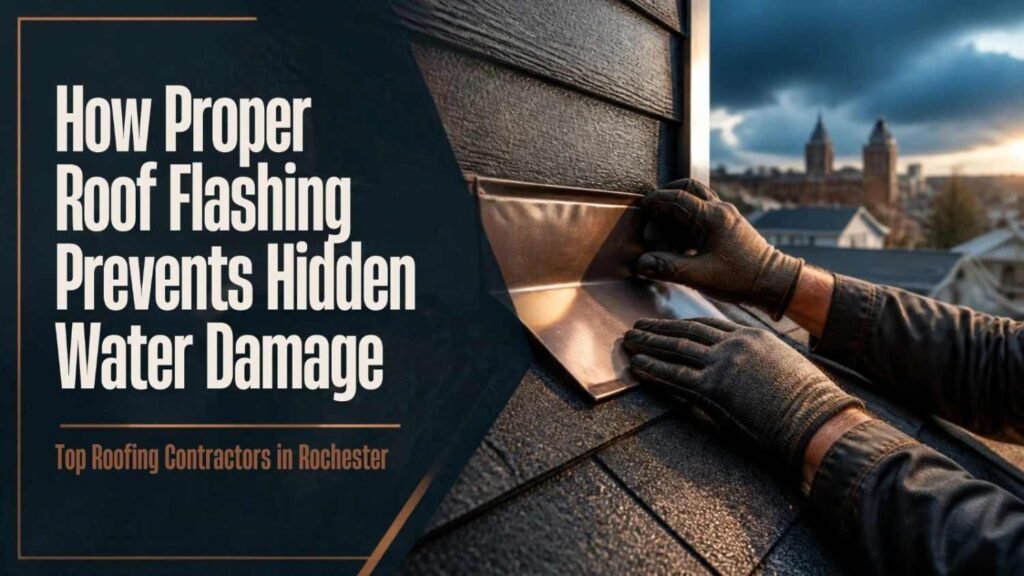
- Failed flashing
- Leaking roof valleys
- Damaged pipe penetrations
- Improperly sealed vents
- Ice dams
- Poorly installed roofing materials
An owner might see a stain on the ceiling in their home, but the damage may be greater than it appears.
2. Ice and Snow
Rochester has cold winters, snow, and freezing temperatures. If the roofing system is subjected to multiple snowfalls and thaws, it can cause further damage to the roof. Water can work its way into places it shouldn’t in some cases due to ice-related issues.
If moisture does reach the decking, then repeated exposure can cause deterioration. For homeowners who have had roof issues in the winter, this is an ideal time to have regular roof inspections.
3. Poor Roof Ventilation
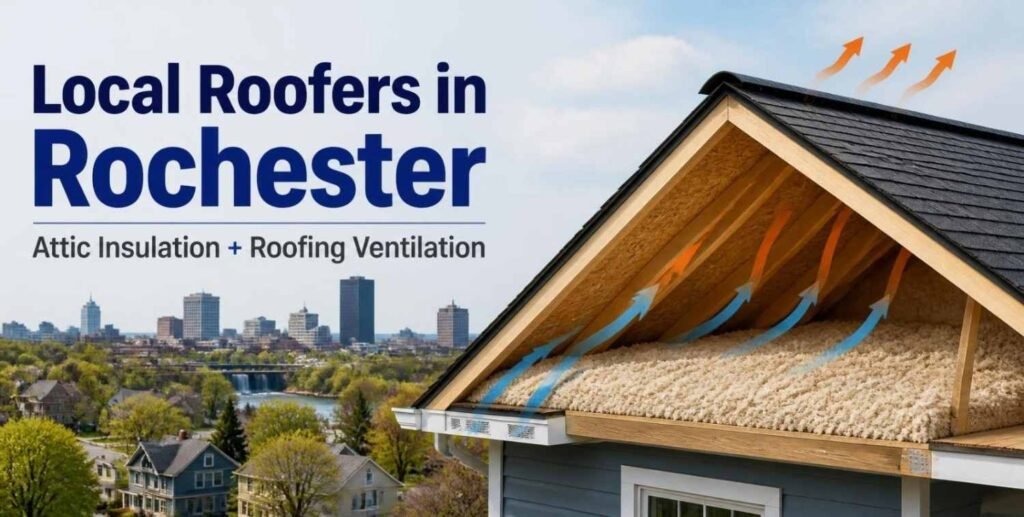
Appropriate ventilation will regulate heat and moisture in the attic. Under certain conditions, moisture can build up under the roof in an attic without proper ventilation. With continued moisture, mold may develop, wood may rot, or other issues can arise on roof components.
Ventilation issues might not be evident from the ground. An inspection of the attic and roof system can provide more information.
4. Aging Roofing Systems
The lifespan of the roof deck can be quite long, but it can be affected by the quality of the material, moisture exposure, installation, ventilation, and maintenance.
Decking damage can be present on a roof that has experienced numerous leaks over many years and may not look great on the outside.
If the decking of an older roof is being replaced, the decking may be inspected as the roofing materials are removed from the roof.
5. Storm Damage
Roofing materials can be damaged by strong winds, heavy precipitation, falling branches, etc. Water can enter the decking if there is an opening in the roof due to storm damage.
While shingles may be repaired quickly, it is important to understand that hidden moisture damage may exist under the shingle roofing system.
How Can Homeowners Recognize Decking Problems?
The best part of the roof decking is concealed, and homeowners are not always able to find problems from the ground. But some signs may suggest further investigation is required.
Sagging Areas
A sagging roof can be a sign of structural or moisture issues. The sagging roof should be evaluated by a professional person instead of being over-roofed without finding the cause of the sag.
Ceiling or Attic Water Stains
If there are water stains on the ceiling or attic surface, it could be a sign that water has intruded into the roofing system. The site of a roof failure may not be clearly visible. Water may flow over the roof or structural surfaces prior to appearing within the home.
Soft or Damaged Areas
In an attic inspection, the professionals are able to identify sections of the decking that seem to be failing or are broken. The homeowner should not walk on any shaky decking, as this may result in safety hazards.
Musty Odors or Visible Moisture
If there is a constant dampness or bad odor in an attic, it could be a ventilation or water leakage issue. All of these signs are an indication that the decking may need to be replaced, but do not automatically indicate that it is actually needed.
How Do Roofing Contractors Inspect Roof Decking?
The inspection will be carried out in different ways depending on the project and the state of the roof.
A contractor can inspect accessible areas of the attic, inspect for water intrusion or inspect roof exterior materials during a routine inspection.
A more comprehensive evaluation can be done once the roof surface is removed during a roof replacement.
The contractor can then inspect the decking for the following issues at that time:
- Rot
- Water damage
- Soft spots
- Cracking
- Delamination
- Structural deterioration
- Improper fastening
- Previous repair work
This direct inspection gives information that may not be obtained from an exterior inspection.
Does Every Roof Replacement Require New Decking?
Not all roof decking needs to be replaced when replacing a roof.
Some or all of the existing decking can be left if it is structurally safe, dry and acceptable for use with the new roofing system.
But if any sections are damaged, these will have to be cut out and replaced with new materials before installation can occur.
How this is done will depend on the condition of the existing decking and applicable building requirements.
The homeowner should request that the contractor explain why certain parts of the home need replacement.
When Does Roof Decking Need to Be Replaced?
If the roof decking surface is no longer adequate for a structure, it is time to replace it.
Common reasons include:
- Significant rot
- Severe water damage
- Broken or deteriorated panels
- Soft or unstable areas
- Structural deterioration
- Material separation
- Damage that prevents proper fastening of new roofing materials
A contractor should first determine the extent of damage and discuss the proposed repair with the client.
Sometimes, it is appropriate to just replace the damaged portions of the decking, while in other cases it may be appropriate to replace the entire decking.
What Happens During a Roof Replacement?
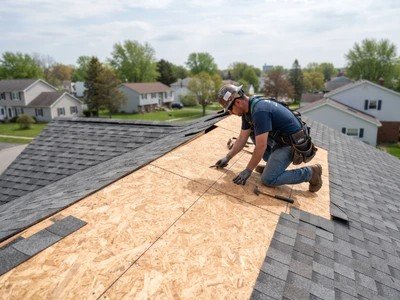
One of the layers that can be checked during homeowners’ roof replacement Rochester projects is the decking.
A process might consist of:
Step 1: Removing Existing Roofing Materials
In order to remove the other roofing materials and expose the surface beneath, the contractor will tear off shingles and other roofing materials.
Step 2: Inspecting the Decking
Then the exposed decking can be inspected for damage.
Step 3: Identifying Damaged Sections
Weak, rotten, cracked, or otherwise damaged areas can be identified for replacement.
Step 4: Replacing Damaged Decking
The malfunctioning panels or sections are taken off and replaced with suitable materials.
Step 5: Installing the New Roofing System
The contractor can then apply the necessary underlayment, flashing, shingles, ventilation and roofing materials when the surface is ready.
This sequence helps to ensure that new roofing materials are installed on a suitable surface.
Why You Should Not Ignore Damaged Decking
If the decking is badly damaged, the new shingles will pose problems as the underlying surface will still need to be fixed.
Potential concerns include:
- Poor shingle fastening
- Continued moisture problems
- Uneven roofing surfaces
- Further structural deterioration
- Reduced durability of the roofing system
A new roof over can’t fix all the issues below. So, decking should be taken as a component of the roofing system, not something completely different.
How Rochester Weather Can Affect Roof Decking
Weather is a factor that Rochester homeowners have to cope with year-round. The roof should be able to withstand snow, rain, freezing conditions, wind, and seasonal variations. These conditions may impact the roof system in various ways.
For instance, rain can seep through the roofing material and into the decking. Water can also freeze and expand when the temperature drops, which will be problematic in certain locations.
Though it doesn’t always lead to decking issues, it is important to install, ventilate, maintain and repair a roof properly and in time when it is exposed to repeated exposure.
Roof Decking and Residential Roofing
When considering large roofing projects, residential roofing Rochester homeowners should take the condition of the roof decking into account. There are a number of different layers that make up a residential roof. Every layer serves a particular purpose and defects in one layer may impact other layers within the system.
For example:
Roof framing → Roof decking → Underlayment → Shingles
If the decking has problems, it will first need to be fixed before the new roofing material can be installed.
It is especially critical when replacing roofs on older buildings, as years of moisture exposure may not be apparent until the roof covering is removed.
Plywood vs. OSB Roof Decking
Plywood or OSB are the most popular decking materials.
Plywood
Plywood is a product produced by gluing veneers of wood together. It has been used extensively for residential building and is still a popular decking material.
OSB
OSB is a product of a controlled compression process of wood strands and adhesives. This is also a very common material used in modern construction.
The name of each material should not be used to automatically assume that it is suitable or unsuitable. The material used will depend on the roof design, construction needs, specifications, and building codes.
Can You Replace Only Part of the Roof Decking?
Yes, in certain circumstances. When damage is confined to particular sections, a contractor might take apart and replace just those parts.
For example, a leak around a roof penetration might have compromised a relatively small portion of the decking. After the source of the leak has been repaired, the damaged decking can be replaced, but the sound sections will be left.
However, the extent of the repair should be determined after inspection. Replacing too little material can leave damaged decking underneath the new roof.
What Should Homeowners Ask Roofing Contractors?
Homeowners can pose several useful questions before approving work involving decking.
Ask Where the Damage Is Located
Ask for a description of where in the decking the issues are.
Ask What Caused the Damage
If water was the cause, inquire about the location of the water entry and if it was corrected.
Ask How Much Decking Needs Replacement
The contractor should precisely inform the client whether the problem is with a few panels or a more significant part of the roof.
Ask About Materials
Inquire about the type of replacement decking material and if it will match the project’s needs.
Ask About Additional Costs
Damage to the decking might not be immediately apparent until the roof covering is removed. It’s essential that homeowners know how to react to unexpected repairs to their decks under the project agreement.
How Can Homeowners Help Protect Roof Decking?
The homeowner will not have access to all of the decking as it is under the roofing material. They can, however, minimize the chances of moisture damage to the roof system by maintaining it.
Helpful practices include:
- Schedule periodic roof inspections.
- Address leaks promptly.
- Keep attic ventilation functioning properly.
- Watch for damaged or missing shingles.
- Check flashing around roof penetrations.
- Address visible water stains.
- Keep gutters and drainage systems maintained.
- Inspect the roof after significant storms.
- Have suspected ice-related problems evaluated.
The earlier a roofing problem is addressed, the easier it will be to avoid a moisture problem.
How Much Does Roof Decking Replacement Cost?
The cost of replacing roof decking will vary based on the specific property.
Factors can include:
- Amount of decking that needs replacement
- Decking material
- Roof size
- Roof design
- Labor requirements
- Accessibility
- Extent of water damage
- Disposal requirements
- Additional repairs
Decking is frequently concealed, and an exact assessment may only be possible once the roofing materials have been removed. Before work starts, homeowners should inquire about the pricing structure.
What Should Be Included in a Roofing Estimate?
Homeowners should be able to better comprehend what is being offered with a roofing estimate.
An estimate may determine:
- Existing roofing removal
- New roofing materials
- Underlayment
- Flashing
- Ventilation work
- Decking replacement
- Labor
- Disposal
- Cleanup
- Additional services
If the deck is not listed as part of the initial estimate due to the inability to verify its condition prior to the tearing off, the contractor should provide a description of what will happen if damage is discovered.
Why Professional Assessment Matters
Roof decking is typically not seen from the exterior of the home. It is especially beneficial when homeowners notice problems with their roof, such as sagging, leaks, or other issues, as it can help identify the source of the issues.
A professional may take a look at the part of the roofing system that is able to be accessed and clarify if there is anything else they should do.
If the entire roof is to be replaced, a direct inspection after the removal of the roofing material can give a far better idea of the conditions of the roof decking.
Homeowners shouldn’t presume that all older roofs have damaged decking or all roof replacements require a complete roof deck replacement. Depending on the condition of the actual roof, the appropriate repair should be done.
Final Thoughts
Roof decking is an important but often overlooked part of a residential roofing system. It supports the roofing materials above it and provides the surface needed for proper installation.
For homeowners working with Roofing Contractors in Rochester, NY, understanding roof decking can make conversations about repairs and replacements easier. Water exposure, aging, ventilation issues, winter conditions, and storm damage can all affect decking, but the actual condition needs to be determined through inspection.
If decking is damaged, the appropriate repair may involve replacing individual sections or addressing a larger portion of the roof. The key is to identify the underlying problem before installing new roofing materials.
By asking where the damage is located, what caused it, how much material needs replacement, and how the repair will affect the project cost, homeowners can better understand the work being recommended for their property.
Frequently Asked Questions
1. Can roof decking be repaired without replacing the shingles?
Sometimes, minor accessible decking issues can be addressed during other roofing work, but the exact method depends on where the damage is located and how the roofing system is constructed.
2. Can roof decking become damaged without causing an indoor leak?
Yes. Decking can experience moisture exposure or deterioration before water becomes visible inside the living areas of a home.
3. Is roof decking visible during a normal roof inspection?
Usually, most decking is covered by roofing materials. Contractors may inspect accessible attic areas, while direct inspection becomes easier after the roof covering is removed.
4. Can a homeowner inspect roof decking from the attic?
An attic inspection can reveal visible signs of moisture, staining, deterioration, or other concerns, but homeowners should avoid stepping on questionable decking.
5. Does a roof leak always mean the decking is damaged?
No. A leak may be limited to roofing materials or flashing, although prolonged moisture intrusion can eventually affect the decking underneath.
6. Can new shingles be installed over old damaged decking?
Seriously damaged decking should generally be addressed before new roofing materials are installed. The appropriate repair depends on the condition of the existing surface.
7. Does attic insulation affect roof decking?
Insulation does not directly replace or repair decking, but attic moisture and ventilation conditions can influence the environment around the roof structure.
8. Should decking damage be documented during a roof replacement?
Homeowners can ask contractors to document significant damaged areas, including photographs where practical, so they can understand the reason for additional repair work.
9. Can roof decking problems affect shingle installation?
Yes. Roofing materials need an appropriate underlying surface for secure installation. Weak or deteriorated decking may affect fastening and the overall roofing installation.
10. How often should homeowners check for possible roof decking problems?
There is no single inspection interval that applies to every home. Regular roof inspections and prompt evaluation after leaks or significant weather events can help identify potential problems early.