

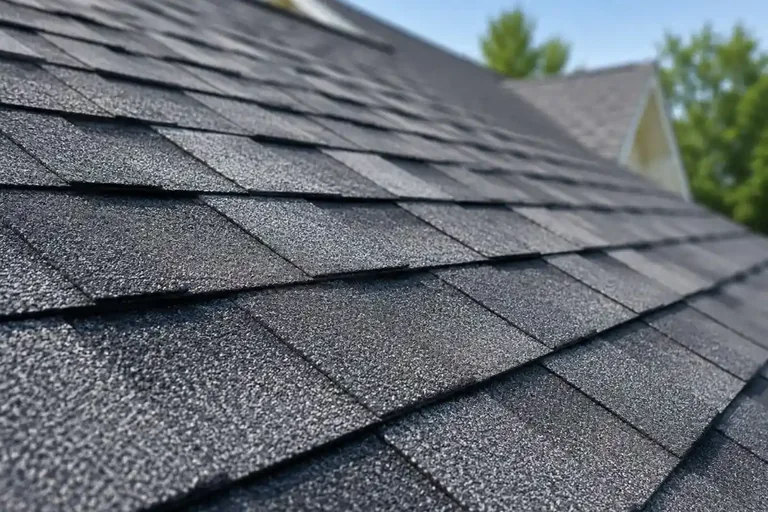
The blog tells about how the Best roofing company in Buffalo Handles Insurance Claims. Having to deal with insurance documents, inspections, and negotiating the claim is an added burden of stress on top of the roof damage. Following storms, wind damages or unforeseen leaks, the homeowner is always overwhelmed by the attempt to go through the insurance process without guidance. This is why most of them seek the services of the best roofing services in Buffalo, NY, to handle the whole claim process.
When you are looking to get assistance with insurance roofing, follow this guide on how the best roofing company in Buffalo collaborates with insurance companies to cover your roof and get the most out of your insurance.
Why Insurance Roofing Claims Are Complicated
Reporting damages is not the only way in which roof insurance claims are made. Insurance firms demand a lot of paperwork, investigations, and evidence that damage has been caused by a covered event.
Homeowners commonly have to struggle with:
- Knowing policy inclusions and exclusions.
- Detecting storm-related damage and wear-and-tear damage.
- Strict filing due dates
- Negotiating settlement amounts
- Avoiding claim denial due to missing documentation
Experienced professional roofers who have worked with insurance roofing know all these challenges and take homeowners through every step.
Roofing Challenges in Buffalo
The climate of Buffalo contributes a significant part to roof damage. The region experiences:
- Heavy snow and ice dams
- Strong winds and storms
- Freeze – thaw cycles that weaken shingles
- Seasonal temperature fluctuations
Because these weather patterns are common, insurance companies often scrutinize claims. The best roofing services in Buffalo know how to identify storm-related damage and differentiate it from normal aging.
Step 1: Free Roof Inspection and Damage Assessment
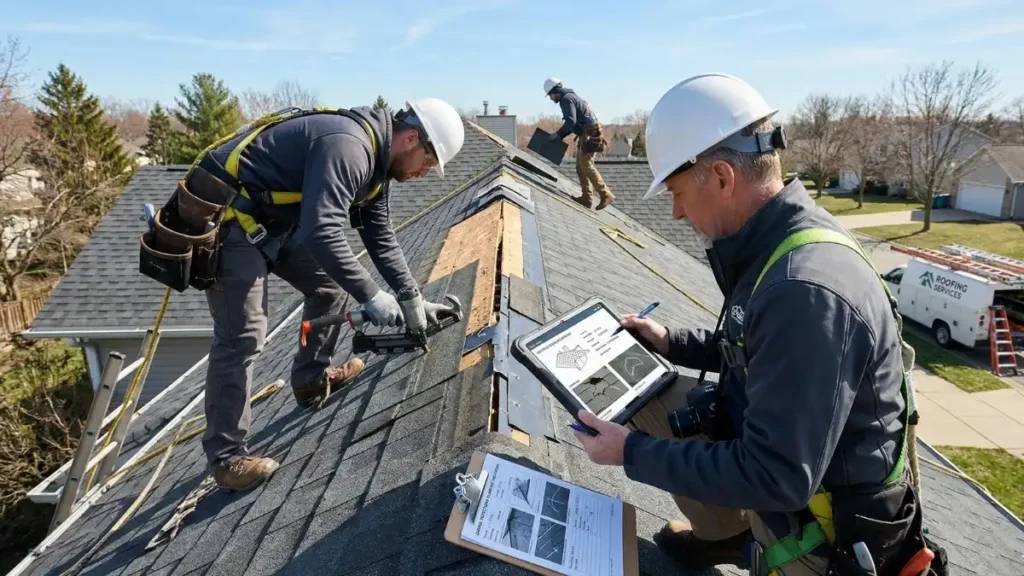
A professional inspection initiates the insurance claim process.
What Roofers Look For:
- Lost or stolen shingles
- Damages due to the hail and wind
- Intrusions and leaks of water
- Structural weaknesses
- Damages to flashing and gutters
Detailed inspection reports are crucial because insurance companies rely heavily on documentation.
Why professional inspections matter
In the absence of professional documentation, insurance companies can claim that the damages were already existing or were caused by negligence.
A roofing specialist makes a good beginning to your claim.
Step 2: Documentation and Evidence Collection
Once inspected, the roofing team collects evidence to help you in your case.
Evidence typically includes:
- Videos and photos of high resolution
- Written reports of inspection in detail
- Storm and weather information
- Estimates of material and repair
- Timeline of damage discovery
This documentation becomes the foundation of your insurance claim.
Step 3: Helping You File the Insurance Claim
Making a claim that is not right might result in refusal or delay. The best roofing company in Buffalo assists homeowners:
- Review insurance policies
- Make timely and correct file claims
- Present the necessary documentation
- Get in touch with the adjusters
Having a roofing professional involved early ensures nothing important is overlooked.
Step 4: Meeting With the Insurance Adjuster
After you have made a claim, the insurance company will send an adjuster to examine the roof.
Why Roofing Contractors Attend the Inspection
It is the adjuster of the insurance company, but not the homeowner. The presence of a roofer will guarantee:
- All damage is properly identified
- Important details are not missed
- The inspection is complete and imperial
- Disputes are addressed immediately
This step usually has a significant impact on the amount of settlement
Step 5: Reviewing the Insurance Estimate
Upon examination, the insurance company gives a settlement estimate.
Common Problems With Insurance Estimates
Insurance estimates may:
- Underestimate material costs
- Miss hidden damage
- Exclude necessary repairs
- Use outdated pricing
However, estimates are checked by experienced roofing companies that compare the estimate to the actual costs of repairs.
Step 6: Negotiating With the Insurance Company
Roofing professionals may also negotiate with the insurance to cover the roof fairly in case the estimation is low.
How Roofers Support Negotiations
They provide:
- Supplement reports
- Updated cost estimates
- Evidence of missed damage
- Industry pricing data
This is referred to as supplementing the claims and can become very high payouts.
Step 7: Scheduling Repairs or Roof Replacement
After the claim is approved, the work is scheduled by the roofing company.
Services generally included in insurance.
This may involve:
- Partial roof repairs
- Full roof replacement
- Repair of gutters and flashing.
- Ventilation improvements
- Internal water repair.
The idea is to get your roof back to the pre-damage state, or even better.
Step 8: Final Inspection and Claim Completion
Following the completion of the work, a final inspection may be done by the insurance company.
The roofing company ensures:
- All repairs comply with building codes.
- Raw materials are as per the approved estimate.
- The last documents are turned in properly.
This is an official step in closing the claim.
Benefits of Hiring an Insurance Roofing Specialist
The collaboration with professional individuals has significant benefits:
Faster Claim Approval
With adequate documentation, there is less delay and resubmission.
Higher Settlement Amounts
Professional negotiation assists in getting reasonable payouts.
Less Stress for Homeowners.
Paperwork and communication are handled by roofers.
Quality Repairs
Repairs made by insurance will provide long-term protection.
Mistakes Homeowners Should Avoid
In the case of insurance claims on the roof, do not:
- Taking too long to claim.
- Making attempts to repair prior to inspection.
- Taking the initial settlement as it is.
- Hiring unlicensed or storm-chasing contractors.
Selecting reputable roofing contractors will avoid expensive errors.
Why Experience Matters in Insurance Roofing
Roofing skills are needed along with knowledge of the industry in insurance claims. The most excellent Buffalo roofing services are a combination of:
- Local weather expertise
- Knowledge of insurance policies.
- Capable of documentation and negotiation.
- High-quality workmanship
This combination provides the homeowners with the coverage that they need.
Understanding What Insurance Policies Usually Cover for Roof Damage
Most homeowners think that all roofing issues will be included in insurance yet it will be covered depending on the damage caused and what the policy specifies in the policy. Being aware of what is usually covered assists you in making realistic expectations prior to making a claim.
Typically Covered Events
Most homeowner insurance policies cover “sudden and accidental” damage, such as:
- Windstorms and hail
- Falling debris, trees.
- Fire and lightning
- Severe rainstorms that result in sudden leaks.
- Damage of ice dam in some situations.
In case of damage caused by these occurrences, insurance roofing experts can assist in recording the cause of damage and eligibility.
What Insurance Often Does NOT Cover
The insurance companies tend to reject claims that address:
- Normal wear and tear or old age.
- Lack of maintenance
- Mold develops due to leaks over time.
- Improper installation
- Gradual deterioration
That is why it is necessary to have professional inspections. Roofers aid in the differentiation of storm damage and wear and tear that may make your claim successful or not.
The Role of Maintenance Records in Insurance Claims
Insurance companies consider one of the initial factors to be whether the roof was maintained appropriately or not.
Why Maintenance Matters
Insurers will require evidence that the owners of houses did what they could reasonably do to safeguard their homes. In the absence of records of maintenance, the insurers can claim that the damage was caused over the years, not at any particular incident.
Helpful Maintenance Documentation
Roofing specialists usually suggest retaining:
- Annual inspection reports
- Repair invoices
- Pictures of roofs before storms.
- Gutter cleaning records
- Warranty documents
With this documentation in place, you are more likely to have your claim approved faster.
Emergency Roof Repairs and Temporary Protection
When it is harsh, there might be a need to take some steps to avoid additional harm.
The First Step Taken by Roofing Companies.
Before the onset of full repairs, contractors can:
- Install emergency tarps
- Seal exposed areas
- Remove debris safely
- Prevent water intrusion
The insurance firms require homeowners to take reasonable measures to avoid further losses. Temporary fixes indicate that you were responsible as you await your claim.
Understanding Depreciation and Replacement Cost Value
How insurance determines the payouts on roofs is a surprise to many homeowners.
Actual Cash Value vs Replacement Cost
There are usually two ways that insurance policies are done:
Actual Cash Value (ACV).
This makes a payment of the value of the roof less depreciation. Older roofs are paid at a lower rate.
Replacement Cost Value (RCV)
This covers the entire amount as paid to install the roof upon its renewal.
Roofing professionals assist homeowners in understanding their policy and plan their finances in case of out-of-pocket expenses.
Supplements: Increasing the Claim After Approval
Sometimes concealed damage may only be revealed once the work has commenced.
Why Supplements are common
The roofing systems contain several layers, such as decking, insulation, and ventilation. After removing the shingles, contractors can find:
- Rotting wood decking
- Hidden leaks
- Damaged underlayment
- Structural issues
Once this occurs, the roofing company will make a supplemental request to the insurance company to give them more money. This makes sure that repair work is done right without compromising.
How Roofing Companies Ensure Code Compliance
Construction codes are dynamic, and the roofs might not be up to date.
Typical Code Upgrade Studies.
Repairs may require:
- Improved ventilation systems
- Installation of ice and water shield.
- Updated flashing methods
- Enhanced underlayment materials
There is ordinance or law coverage contained in insurance policies that assists in covering such upgrades. The seasoned contractors understand how to determine which costs are eligible to be claimed under the code and how to incorporate them in your claim.
Choosing the Right Roofing Materials After a Claim
Under insurance, homeowners are often allowed to upgrade the materials when a roof replacement is approved.
Popular Roofing Options
Replacements that are insured can include:
- Architectural asphalt shingles
- Impact-resistant shingles
- Metal roofing systems
- Energy-efficient roofing materials
Contractors clarify the advantages of each alternative and assist the homeowners in selecting the materials that can accommodate their financial and future objectives.
Energy Efficiency Benefits of Roof Replacement
A new roof not only keeps your home free from leaks, but can also make it energy efficient.
Modern Roofing Provides Energy Savings.
State-of-the-art roofing solutions can:
- Improve attic ventilation
- Minimize winter heating.
- Reflect heat during summer
- Lower energy bills
- Make homes more comfortable all year round.
Roof replacement financed by insurance can turn out to be a long-term investment in the efficiency of homes.
How Insurance Roofing Improves Home Value
A new roof would add a lot of value to the property and the confidence of buyers.
Real Estate Benefits
Recently replaced roofs give pleasure to homeowners who have:
- Higher resale value
- Faster home sales
- Fewer buyer inspection issues.
- Improved curb appeal
This renders insurance roofing claims useful even outside short-term repairs.
Communication Throughout the Claim Process
Constant communication with experienced roofing professionals can be listed as one of the greatest benefits of collaboration.
What Homeowners Can Expect.
The best roofing companies offer:
- Clear schedules and reports.
- Help understanding insurance paperwork
- Personal contact with adjusters.
- Open pricing and schedule.
This advice eliminates confusion and instills confidence in homeowners in the process.
Why Timing Is Critical for Roof Insurance Claims
Deadlines are frequently stipulated in insurance policies.
Important Claim Deadlines
Many policies require:
- Timely reporting of damage.
- Checks in particular time.
- Repairs accomplished in a specified time.
Late payments may result in low payouts or loss of claim. Roofing experts assist in making sure that all deadlines are fulfilled.
The Risk of DIY Insurance Claims
Other homeowners will go out to make claims on their own.
Difficulties of DIY Claims.
Homeowners might do without professional help:
- Miss hidden damage
- Underestimate repair costs
- Take low bids.
- Misinterpret policy coverage
Utilizing insurance roofing experts will enhance the chances of a successful claim and quality repairs.
Protecting Your Home for the Future
After completing repairs, roofing companies often recommend preventing future damage.
Preventative Recommendations
Owners of houses can get guidance on:
- Regular inspections
- Proper attic ventilation
- Gutter maintenance
- Storm preparation tips
These measures will assist in prolonging the life of your roof and lower chances of future claims.
Conclusion
Claiming roof insurance may seem daunting on your own, but with the help of roofing experts, the whole procedure will become easy. They will be your representative at each stage of the process, starting with inspections and documents, up to negotiations and final repairs.
Through association with a reputable roofing firm, the homeowners will be assured that their claim will be properly handled, their home will be secured, and their investment will be safe in the coming years.
FAQs
1. How do I know if my roof damage qualifies for an insurance claim?
Roof damage caused by sudden events like storms, wind, hail, or falling debris typically qualifies. A professional inspection helps confirm the cause and provides documentation needed for claim approval.
2. Should I call a roofing company or my insurance company first?
It’s best to call a roofing professional first. They can inspect the damage, gather evidence, and help you file an accurate claim with the insurance company.
3. How long does the insurance roof claim process take?
The timeline varies depending on inspections, documentation, and approvals. Simple claims may take weeks, while complex roof replacements can take several months to finalize.
4. Will insurance cover a full roof replacement?
Insurance may cover full replacement if the damage is extensive or affects structural integrity. Coverage depends on policy details and the adjuster’s inspection findings.
5. Can I choose my own roofing contractor?
Yes, homeowners have the right to choose their contractor. Hiring experienced professionals in Buffalo helps ensure proper documentation, fair estimates, and quality repairs.
6. What is a roofing insurance supplement?
A supplement is a request for additional funds when hidden damage appears during repairs. Contractors submit evidence to ensure the insurance company covers all necessary work.
7. Do I need to pay anything out of pocket?
Homeowners usually pay their insurance deductible. The insurance company covers approved repair costs beyond that amount.
8. What happens if my claim is denied?
A roofing company can provide additional documentation and request a claim reassessment. Sometimes new evidence helps reverse the denial.
9. Will filing a roof claim increase my insurance premium?
Weather-related claims often have minimal impact on premiums. However, this depends on your insurer and claim history.
10. Why hire a roofing company experienced with insurance claims?
Experienced contractors handle inspections, documentation, negotiations, and repairs. Their expertise increases the chances of claim approval and ensures your roof is restored properly.